
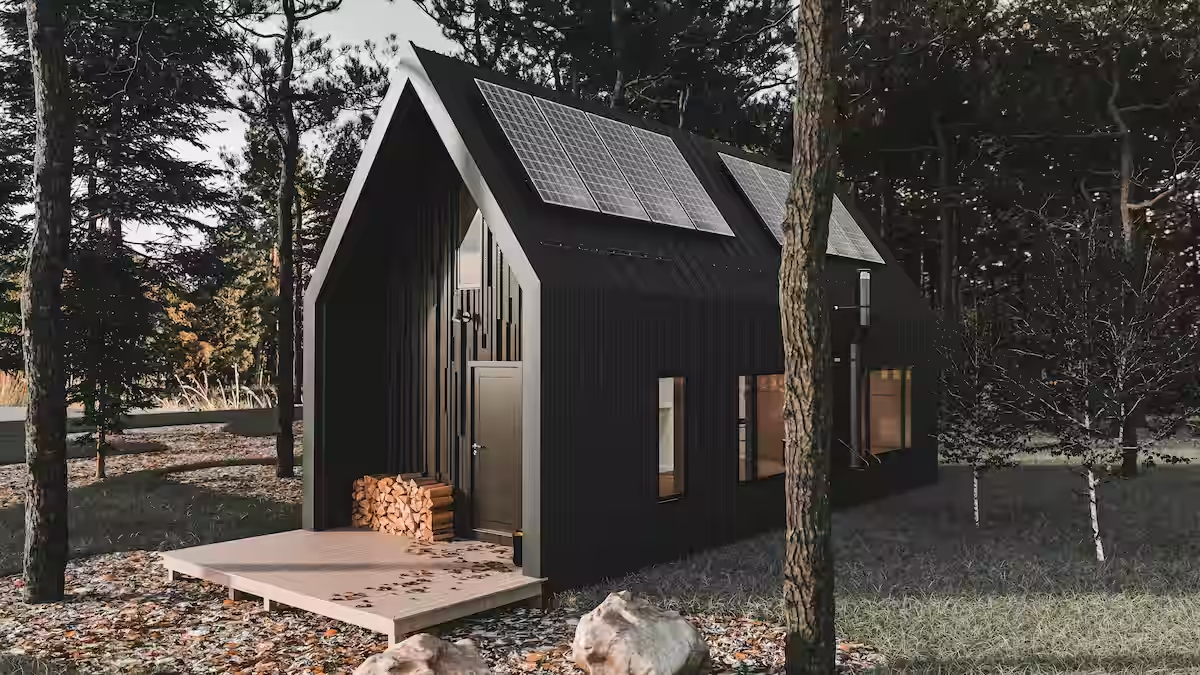
Planning a transition to a tiny lifestyle requires more than just a dream; it requires a realistic tiny home cost breakdown that accounts for land, utilities, and hidden regional fees. Whether you are in London, New York, Toronto, or Sydney, knowing your numbers is the first step to freedom.
Recently, the financial reality of going tiny has shifted. Between fluctuating material prices and landmark zoning reforms, winging it is no longer an option. This guide provides a transparent, country-by-country breakdown of what it truly costs to go tiny today, including the ‘hidden’ expenses that catch most owners off guard.
Global Tiny Home Cost Comparison
| Country | DIY Build Cost | Professional Build Cost | Common Hidden Cost |
|---|---|---|---|
| USA | $35k–$55k | $70k–$110k+ | Interstate Transport |
| UK | £40k–£55k | £65k–£90k | Planning Consultants |
| Canada | $50k–$75k CAD | $90k–$130k CAD | High-Efficiency HVAC |
| Australia | $60k–$85k AUD | $95k–$145k AUD | Off-Grid Water Technology |
Costs vary significantly based on land availability, insulation standards, transport distance, and local building regulations.
The Secret to Finding Legal Land: A Global Guide
Finding a place to park is often harder than building the home itself. Here is the Secret for each of our core regions:
Tiny Home Parking: UK Laws & The Secret Grey Area The secret in the UK is the Curtilage rule. If your tiny home is on wheels and parked within the garden of a main house (the curtilage), and its use is incidental to the main house (like an extra bedroom), you often do not need full planning permission.
Tiny Home Zoning in the US & Canada The secret here is seeking out ADU (Accessory Dwelling Unit) friendly zones. Many cities (like Los Angeles or Vancouver) have relaxed laws to allow tiny houses in backyards to solve housing shortages.
Australian Council Regulations for Tiny Houses In Australia, the secret is the Caravan classification. In many shires, as long as the home is mobile and you move it or vary its use every few months, it falls under caravan laws rather than fixed building codes.
Planning your build? Download our Free Tiny Home Starter Kit from the Resource Vault.
What Drives Tiny Home Costs?
Before we talk about regional currency, we have to talk about variables. Two homes with the same 250-square-foot footprint can differ by $40,000 based on three critical factors:
-
Build Method: DIY remains the most affordable entry point, but Prefab (pre-built shells) has become the standard for those balancing time and money. Professional custom builds now often include smart home energy management as standard. Thinking about what is best for you? Here’s your DIY vs. Professional Tiny House to guide your decision.
-
Mobility vs. Foundation: A Tiny House on Wheels (THOW) avoids many land taxes but requires a high-end heavy-duty trailer ($5,000–$12,000). A Foundation Tiny Home requires groundwork and local permits, which can sometimes double the initial buy price.
-
Energy Independence: Recently, lithium-ion battery prices have stabilized, making off-grid solar kits more accessible, but they still add a significant $5,000–$15,000 upfront cost.
Tiny Home Cost Breakdown By Country
Tiny homes are often marketed as a cheaper, simpler way to live, but the real cost depends heavily on where you are in the world. A true tiny home costs breakdown by country reveals surprising differences in pricing, regulations, and hidden expenses that many people don’t consider until they’re already committed. Before you plan your downsizing journey, understanding how costs vary globally can help you avoid expensive mistakes and make smarter decisions from the start.
United States: The Mature Market
The US remains the global leader in tiny home infrastructure, with this year seeing more tiny-friendly zoning in states like Florida, Texas, and Oregon.
| Item | Estimated Cost |
| DIY Build (Standard) | $35,000 – $55,000 |
| Professional Custom Build | $70,000 – $110,000+ |
| Prefab / Modular Shell | $15,000 – $40,000 |
| Specialized THOW Trailer | $6,000 – $11,000 |
| Insurance (Annual) | $800 – $1,800 |
Pro Tip: Watch out for interstate transport fees. Moving a 14,000lb tiny home across state lines can cost $3–$5 per mile due to fuel and specialized towing insurance.
United Kingdom: The Planning Permission Pivot
The UK government has updated the National Planning Policy Framework, which has slightly eased the path for small-scale developments, but land remains the primary hurdle.
Average Cost Range: £45,000 – £85,000 GBP
| Item | Estimated Cost |
| Self-Build (High Quality) | £40,000 – £55,000 |
| Turnkey Professional Build | £65,000 – £90,000 |
| Off-Grid Solar/Battery Kit | £6,000 – £12,000 |
| Planning Consultant Fees | £2,000 – £5,000 |
The Caravan Loophole: Most UK tiny homes are built to Caravan Act dimensions to avoid standard building regs, but council taxes for ancillary dwellings are becoming more common.
Check out our guide on Tiny House Shell Savings to see how you can slash your construction costs by $20,000 today.
Canada: The Winter-Ready Premium
In Canada, you don’t pay for space; you pay for insulation. A cheap, tiny home will not survive a Manitoba or Ontario winter.
Average Cost Range: $55,000 – $115,000 CAD
| Item | Estimated Cost |
| Four-Season DIY Build | $50,000 – $75,000 |
| Certified Professional Build | $90,000 – $130,000 |
| Heating/HVAC (High Efficiency) | $4,000 – $8,000 |
| Winterized Skirting/Plumbing | $2,500 – $5,000 |
The Trend: Garden Suites are exploding in Vancouver and Toronto as backyard housing laws have been fully deregulated to combat the housing crisis.
Australia: The Off-Grid Frontier
Australia has the highest demand for high-end, off-grid mobile homes designed for extreme heat and water scarcity.
Average Cost Range: $60,000 – $135,000 AUD
| Item | Estimated Cost |
| DIY Build (Materials only) | $55,000 – $80,000 |
| Premium Turnkey Mobile Home | $100,000 – $150,000 |
| Off-Grid Water/Septic Systems | $5,000 – $10,000 |
| Delivery & Setup (Rural) | $3,000 – $7,000 |
The Regulatory Shift: Several NSW and QLD councils now offer Moveable Dwelling permits that allow 2-year stays on private land without a full DA (Development Application).
The Hidden Costs (The Budget Killers)
-
Land Prep: Clearing trees, leveling ground, and gravel pads can cost $2,000–$8,000.
-
The Tow Vehicle: If you have a THOW, a standard SUV won’t work. You need a 3/4 ton truck (e.g., Ford F-250), which can cost $50,000+ new or $25,000 used.
-
Certification: Getting NOAH or ANSI certification (crucial for insurance and resale) costs $1,000–$3,000.
The 12-Month Financial Roadmap to Tiny Living
Most tiny home dreams stall because the lump sum feels impossible. With higher interest rates on personal loans, the best strategy is a hybrid approach: intense saving combined with strategic micro-financing.
Here is your month-by-month blueprint to go from renting to resident in one year.
Phase 1: The Foundation (Months 1–3)
-
Month 1: The Audit & Goal Setting. Track every cent for 30 days. Identify your Tiny Home Fund target based on the country averages above. Action: Open a high-yield savings account (HYSA) specifically for the build.
-
Month 2: The Lifestyle Compression Test. Try living on a Tiny Budget. Cut your discretionary spending by 30% and move that money immediately into your HYSA. If you can’t survive this month, you may need to adjust your home’s design.
-
Month 3: Credit Repair & Pre-Approval. If you aren’t paying 100% cash, you’ll need a personal or RV loan. Spend this month disputing credit errors and lowering your debt-to-income (DTI) ratio.
Phase 2: Logistics & Land (Months 4–6)
-
Month 4: The Land Deposit. Start scouting. Whether it’s a backyard lease or a rural plot, you’ll likely need a deposit (usually 1–2 months’ rent or 10% of land cost).
-
Month 5: Design Freeze & Material Sourcing. Finalize your floor plan. Changing your mind after this month will cost you thousands. Start hunting for second-hand high-value items like reclaimed wood or slightly used appliances.
-
Month 6: The Big Purchase (Trailer or Foundation). By mid-year, you should have enough saved to buy your trailer (THOW) or pour your slab (Foundation). This is your Point of No Return.
Phase 3: The Build Velocity (Months 7–9)
-
Month 7: Shell & Framing. This is the most expensive month for materials. If using a builder, your second milestone payment is usually due now.
-
Month 8: Utility Infrastructure. Pay for the experts. Budget for a certified electrician and plumber to do the rough-in. DIY-ing this without a permit can destroy your resale value.
-
Month 9: Insulation & Windows. Especially for our Canadian and UK readers, don’t skimp here. High-performance windows are a 20-year investment in lower utility bills.
Phase 4: The Home Stretch (Months 10–12)
-
Month 10: Interior Finishes. Kitchen cabinets, flooring, and paint. This is where most people go over budget. Stick to your Month 5 list!
-
Month 11: Inspections & Insurance. Pay for your NOAH or local code certifications. Secure your tiny home insurance policy; you cannot move the home without it.
-
Month 12: Moving Day & Buffer Fund. Use your final savings for the move-in. Critical: Keep $2,000–$5,000 in your account for first-month surprises (leaks, hitch adjustments, or unexpected utility hookup fees).
Selfcampers Strategy: How to Fund Your Build
-
-
The Staged Build Method: Don’t buy the solar panels in Month 1. Buy them in Month 13 after you’ve lived in the house and know your actual power needs.
-
Manufacturer Financing: Many builders now offer in-house financing (similar to car dealerships). This can be easier to get than a bank loan, but check the interest rates carefully.
-
HELOC Strategy: If you currently own a traditional home, a Home Equity Line of Credit is often the cheapest way to fund a tiny ADU (Accessory Dwelling Unit) in your backyard.
-
Frequently Asked Questions
How much does it cost to build a tiny house yourself?
A high-quality DIY tiny home build typically costs between $35,000 and $55,000 (USD). This includes a trailer, lumber, appliances, and basic solar, but assumes you are providing the labor for free.
Are tiny homes cheaper than traditional houses?
Yes, the average tiny home costs 85-90% less than a traditional median-priced home. However, the cost per square foot is often 30-40% higher due to the concentration of expensive systems (kitchen, bath, HVAC) in a small area.
Can you get a mortgage for a tiny home?
Traditional mortgages are rare for tiny homes on wheels. Most owners use RV loans, personal loans, or manufacturer financing. Some specialized lenders offer Tiny Home Loans for units on permanent foundations.
What is the cheapest state/province to live in a tiny home?
In the US: Texas and Arizona. In Canada: Rural New Brunswick.
Do tiny homes depreciate in value?
Tiny homes on wheels tend to depreciate like RVs, though well-maintained custom builds hold value better. Foundation-based tiny homes usually appreciate with the land.
How do I find land for my tiny home?
Try Tiny House Community directories, or search for unrestricted rural land listings.
Your Next Step to Financial Freedom
Mastering your tiny home cost breakdown is about more than just numbers on a spreadsheet; it’s about reclaiming your time and your bank account. While the initial investment requires careful planning, the long-term payoff of a debt-free lifestyle is a reality that thousands of people are achieving right now.
Don’t let the hidden costs stop your momentum. Use the data in this guide to build a bulletproof budget, choose the right construction path, and finally step into a home that works for you, not the other way around.


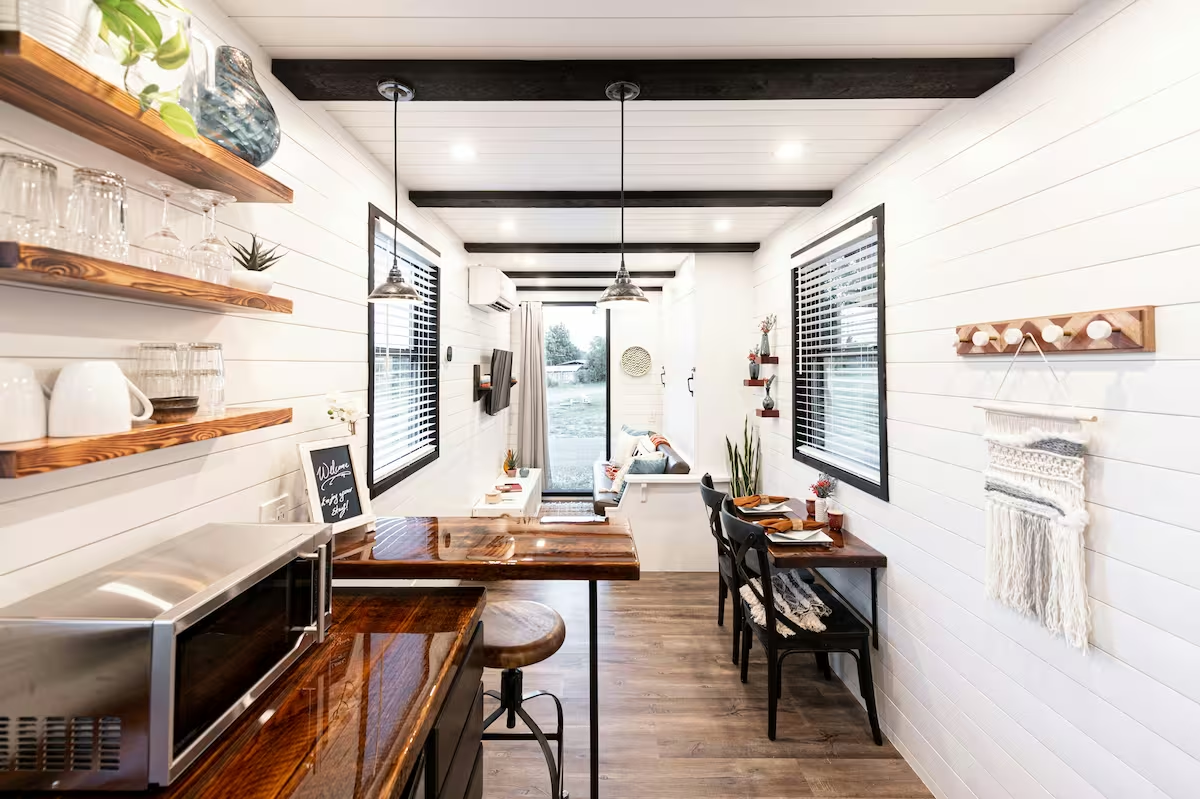
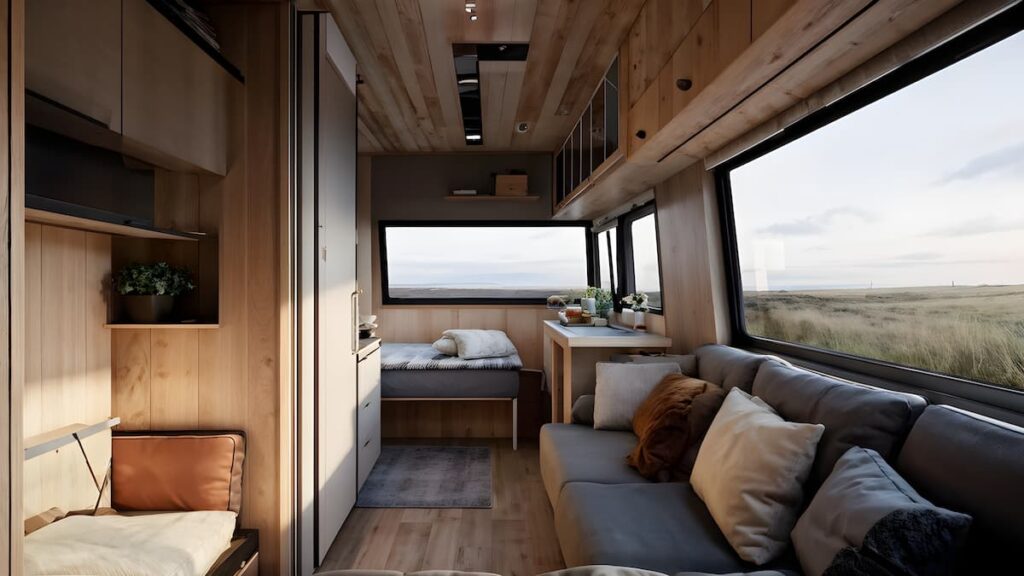
I am looking for information about tiny home builders near North Alabama.
Hello Cindy,
If you’re looking for tiny home builders in North Alabama, there are a few reputable companies you may want to explore.
One well-known builder is Timbercraft Tiny Homes in Guntersville. They specialize in handcrafted tiny houses with custom layouts and deliver homes across the country.
Another option is Stone Canyon Homes in Brilliant, Alabama, which focuses on efficient small homes designed to maximize comfort and functionality in compact spaces.
You might also look into AL Tiny Homes in Warrior, which offers custom builds and delivery once construction is completed.
One important thing to check before choosing a builder is local zoning and placement rules, because tiny home regulations can vary depending on whether the home is on wheels or built on a foundation.
If you’re planning where the home will actually sit, this guide may help as well:
Tiny Home Parking Laws: The State-by-State Legal Roadmap
It explains how zoning and placement rules work for tiny homes and RV-style living.
If you’re comfortable sharing a bit more detail, such as your budget range or whether you’re planning a tiny house on wheels or a foundation build, I’d be happy to point you toward builders that may be a better fit.
Hope this helps you get started.