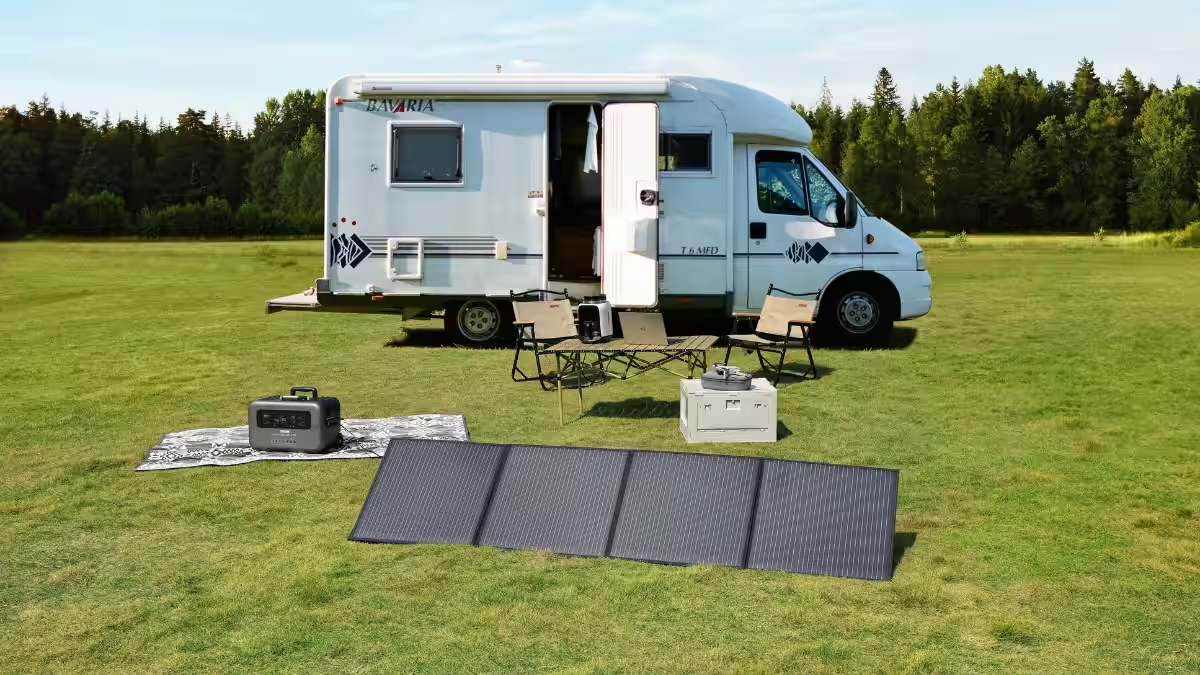
Rainwater harvesting for beginners starts with a simple truth: the most sustainable source of fresh water does not come from a city pipe or a deep well; it falls directly onto your roof for free. Whether you are living in a stationary tiny home or a parked RV, capturing rain is the cornerstone of true autonomy. You don’t need a complex municipal-grade filtration system to begin; you just need to understand the basic flow of collection and storage. This guide walks you through the essentials to help you secure your most vital resource with confidence.
Rainwater Harvesting for Beginners and Water Independence
Transitioning to a self-sufficient lifestyle begins with a clear and reliable water strategy. While modern living often makes turn-of-the-tap water feel limitless, true independence comes from understanding how to capture, store, and manage your own supply. Rainwater harvesting offers one of the simplest entry points into off-grid resilience, helping you reduce utility costs, support your garden naturally, and maintain access to water during dry seasons or infrastructure disruptions. Starting small allows beginners to build confidence while creating long-term water security.
The Four Stages of a Simple Rainwater System
A functional system follows a simple path: Collection → Filtration → Storage → Usage.
-
The Catchment Area (Collection): Usually, your roof. For every 1 inch of rain on a 1,000-square-foot roof, you can capture approximately 600 gallons of water. Even the roof of a van or a tiny home shed can yield enough to keep a garden thriving.
-
The First Flush (Filtration): The first few minutes of rain wash dust, bird droppings, and debris off your roof. A First Flush Diverter automatically sends this dirty water away from your main tank.
-
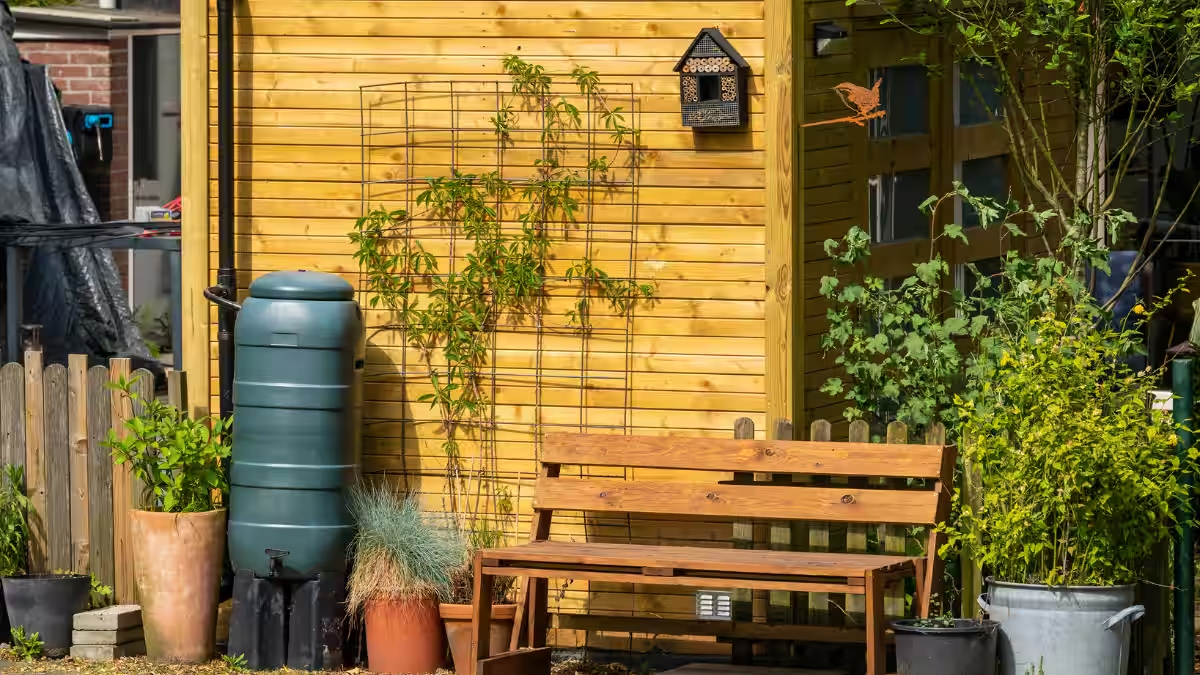
The Storage Tank: For beginners, a 55-gallon food-grade blue barrel is the perfect start. It’s affordable, easy to move, and can be daisy-chained (linked together) as your needs grow.
-
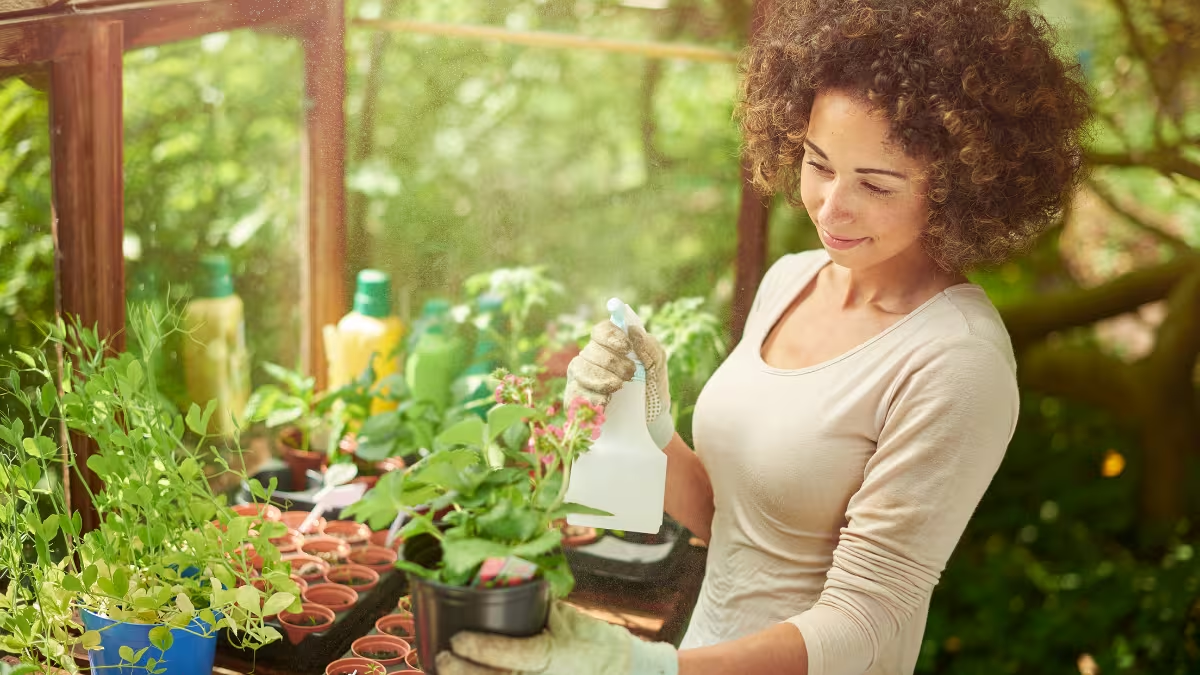
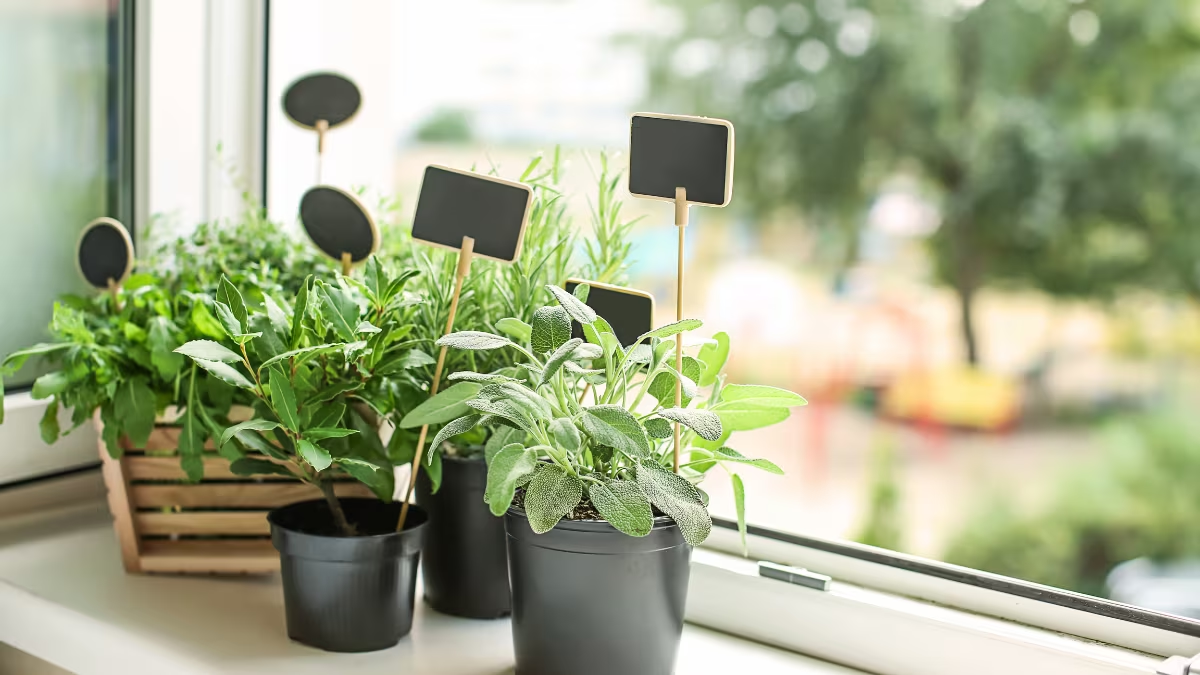
Distribution (Usage): Gravity is your best friend. Elevate your barrels on cinder blocks to create enough natural pressure to run a hose or a drip-irrigation system for your windowsill survival garden.
Potable vs. Non-Potable: The Big Safety Rule
It is critical to understand the difference between Rainwater for Gardening and Rainwater for Drinking.
-
Non-Potable: Raw rainwater is perfect for flushing toilets, washing clothes, and watering your food crops.
-
Potable (Drinking): To make rainwater safe to drink, you must use a multi-stage filtration system including a 5-micron sediment filter, a carbon block filter, and a UV sterilizer or high-quality gravity filter (like a Berkey or Sawyer S3).
Rainfall Yield Table (Estimates)
| Catchment Size (Sq Ft) | 1/2 Inch of Rain | 1 Inch of Rain | Potential Usage |
| Van/Small Shed (50 sq ft) | 15 Gallons | 30 Gallons | 1 week of dishwashing. |
| Tiny Home (250 sq ft) | 75 Gallons | 150 Gallons | 1 week of garden irrigation. |
| Small Cabin (800 sq ft) | 240 Gallons | 480 Gallons | Full household non-potable needs. |
Frequently Asked Questions
Is it legal to harvest rainwater?
In almost all states and countries, it is 100% legal and even encouraged. However, some areas have specific catchment limits or require you to use the water on-site. Always check your local county ordinances, especially in dry western states.
How do I keep mosquitoes out of my water barrels?
Use a fine-mesh screen over the top of your barrel where the water enters. This prevents mosquitoes from laying eggs. You can also use Mosquito Dunks—non-toxic BTI pucks that kill larvae but are safe for plants and pets.
How long can I store rainwater?
If kept in a dark, cool place (to prevent algae growth) and sealed from insects, rainwater can stay fresh for months. For drinking water, it is best to rotate your stock every 3–6 months and always filter it right before use.
Conclusion: Start With One Barrel
You don’t need a 5,000-gallon underground cistern to make a difference. Water security begins with the first 55-gallon barrel. By implementing rainwater harvesting for beginners, you take a massive step toward a more self-sufficient lifestyle transition. Once you see how much free water you can catch in a single storm, you’ll never look at a rainy day the same way again.