The Self-Sufficiency Lab

Welcome to The Self-Sufficiency Lab, the definitive hub for mastering the skills of modern independence. Whether you are living in a tiny home, traveling full-time in an RV, or simply looking to reduce your reliance on external systems, this category provides the practical blueprints you need to become a “producer” rather than just a consumer.

In the Lab, we move beyond theory to provide actionable, step-by-step guides on the five pillars of autonomy: Food Sovereignty, Water Security, Energy Independence, Financial Frugality, and Skill Handiness. Here, you will find our latest research and field-tested advice on everything from building high-yield windowsill gardens in small apartments to engineering off-grid solar power systems for life on the road.

Our mission is to help you bridge the gap between traditional outdoor living and a fully self-sustained lifestyle. Explore our deep dives into food preservation, rainwater harvesting, and DIY repair skills designed to save you money while building a more resilient future. The journey to self-sufficiency starts with one small change. Start yours here in the Lab.

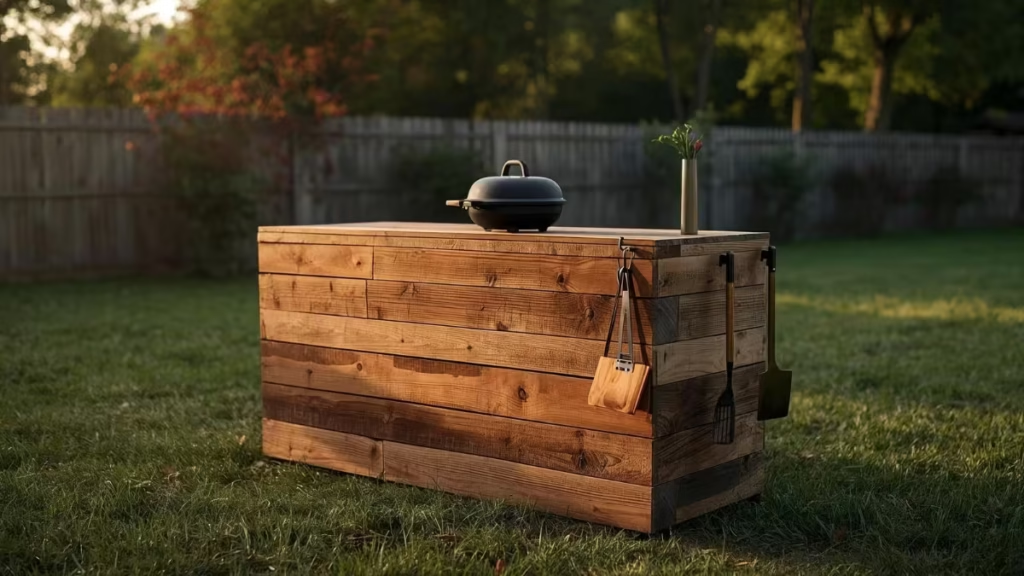
A sturdy reclaimed wood grill station built from horizontal timber planks standing in a grassy backyard with a portable grill and cooking utensils hanging on the side.

Build a Reclaimed Wood Grill Station for Under $50: A Step-by-Step Guide

Constructing a functional outdoor kitchen area does not require a large financial investment if you have access to quality salvaged materials. Many enthusiasts are discovering that they can create a reclaimed wood grill station by repurposing wooden pallets and construction offcuts. This approach allows for a customized design that fits the specific layout of a […]

Build a Reclaimed Wood Grill Station for Under $50: A Step-by-Step Guide Read More »
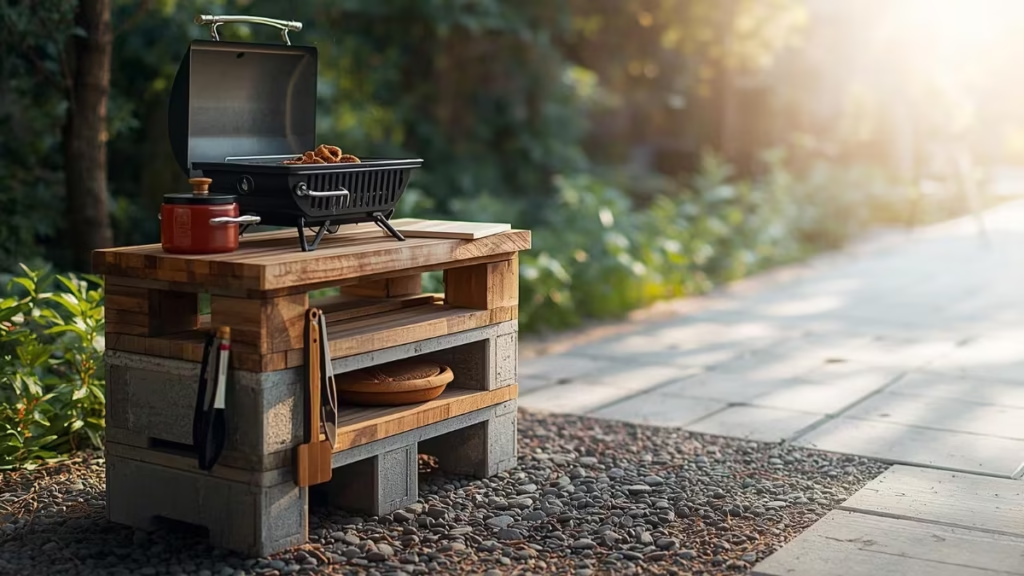
A portable black grill sits atop a rustic diy grill station built from concrete blocks and wooden planks in a sunlit outdoor garden setting.

How to Build a Budget DIY Grill Station for Outdoor Living

Building a functional outdoor kitchen does not require a massive renovation budget or professional contractors. Many homeowners and outdoor enthusiasts are discovering that they can create a diy grill station without spending a fortune by using readily available materials like cinder blocks, cedar planks, or reclaimed wooden pallets. Whether you are setting up a permanent

How to Build a Budget DIY Grill Station for Outdoor Living Read More »

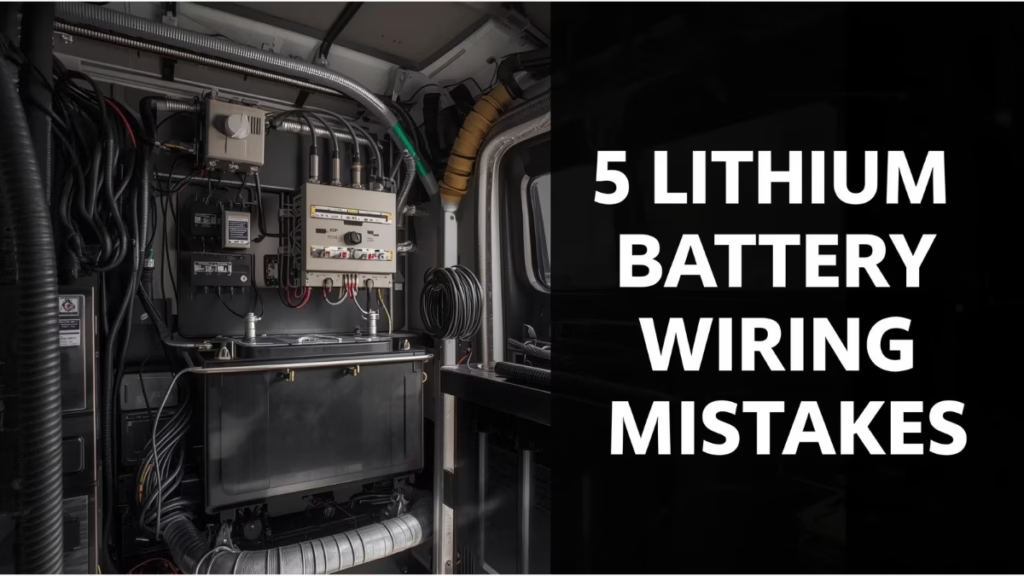
DIY lithium battery wiring mistakes in an off-grid van power system showing battery cables, fuse panel, and inverter setup

5 Common Mistakes in DIY Lithium Battery Wiring (And How to Avoid Them)

Transitioning to lithium power is one of the most rewarding upgrades you can make for a van, boat, or off-grid cabin. But lithium systems are not forgiving. The high energy density of LiFePO4 batteries means precision is not optional; it is critical. Many DIY lithium battery wiring mistakes happen during simple installation steps, yet the

5 Common Mistakes in DIY Lithium Battery Wiring (And How to Avoid Them) Read More »

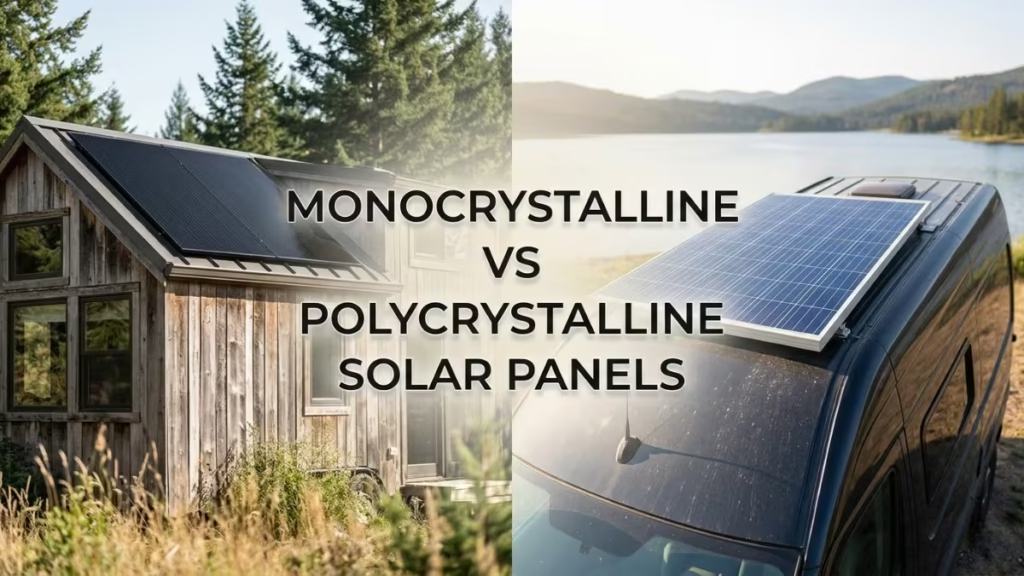
A split landscape view showing two different outdoor residential solar energy setups, featuring both black monocrystalline panels on a wood cabin roof and blue polycrystalline panels on a van roof, used for comparing monocrystalline vs polycrystalline solar panels.

Monocrystalline vs Polycrystalline Solar Panels: Which Is Best for Off-Grid Living?

Choosing the right solar array is the foundation of any reliable off-grid system. When comparing monocrystalline vs polycrystalline solar panels, the real decision comes down to how efficiently you can convert limited sunlight into usable energy, especially when space, heat, and system reliability are all critical factors. Whether you are outfitting a remote cabin, a

Monocrystalline vs Polycrystalline Solar Panels: Which Is Best for Off-Grid Living? Read More »

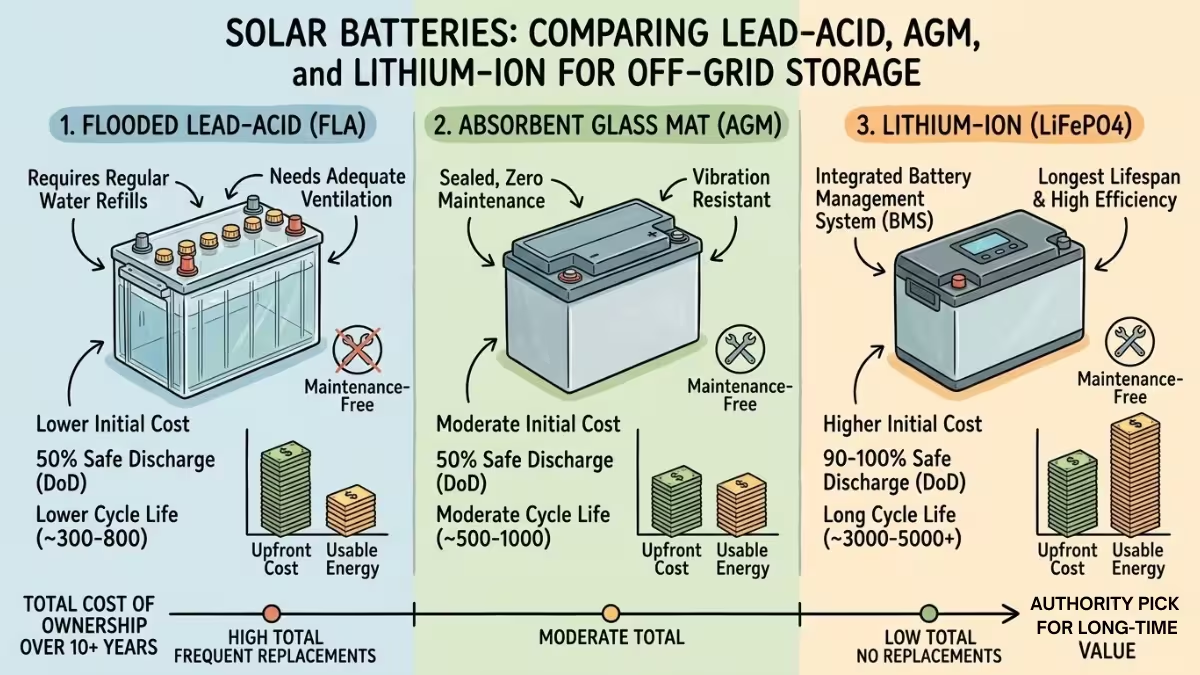
An educational diagram illustrating a comparison of solar battery options for off-grid storage. The visual is split into three panels: Flooded Lead-Acid (FLA), Absorbent Glass Mat (AGM), and Lithium-Ion (LiFePO4). For each, it compares lower, moderate, and higher initial costs against usable energy percentage and cycle life. A timeline along the bottom explicitly details the Total Cost of Ownership over 10 years, showing Lithium as having the low total cost and being the Authority Pick for Long-Term Value.

Solar Batteries: Comparing Lead-Acid, AGM, and Lithium-Ion for Off-Grid Storage

Selecting the right solar battery options for off-grid is the single most critical decision you will make for your electrical system. While solar panels grab the headlines, your batteries determine whether your lights stay on, your off-grid refrigeration options remain cool, and your devices stay charged through the night. In recent times, the technology has

Solar Batteries: Comparing Lead-Acid, AGM, and Lithium-Ion for Off-Grid Storage Read More »