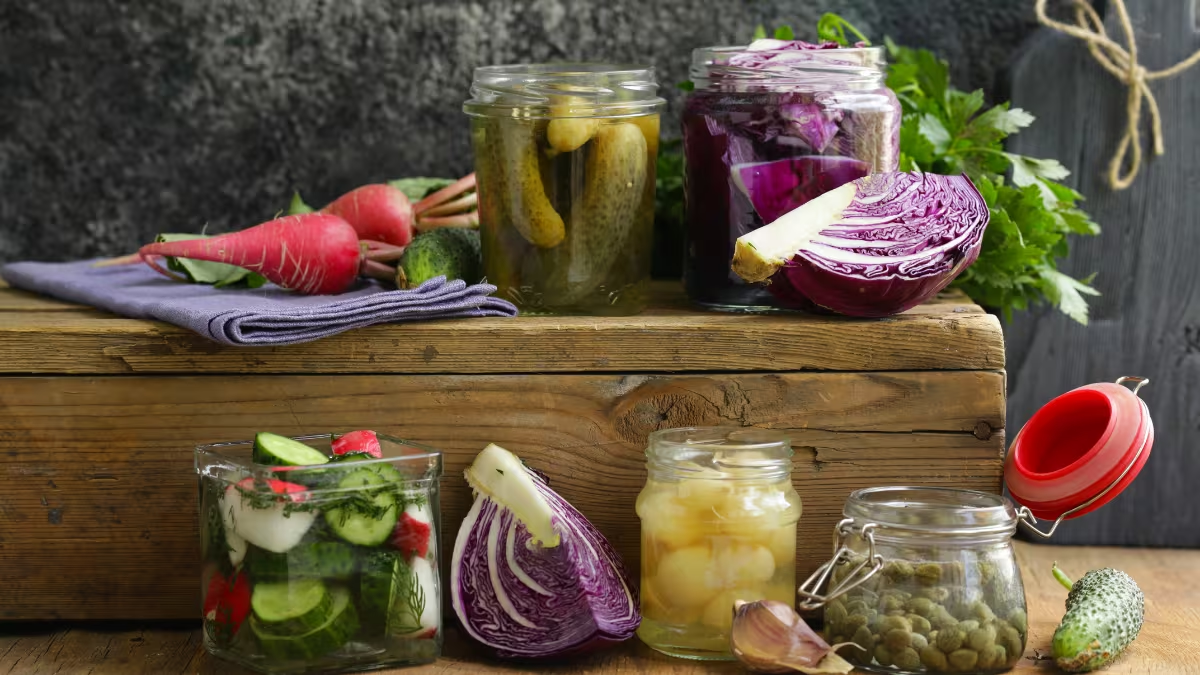
Fermenting vegetables for long-term travel may be the most underrated skill in mobile living. In a world where refrigerators draw constant power and freezer space is limited, fermentation offers something radical: preservation without electricity.
Inside an RV or van, every system must justify its footprint. Lacto-fermentation requires only salt, water, and a jar, yet it can preserve fresh vegetables for months while improving their nutritional value. For anyone building a resilient, self-sufficient lifestyle transition, this skill transforms a simple cabinet shelf into a dependable food system.
When combined with small-space growing strategies like our guide on best high-calorie crops for small spaces, fermentation completes the cycle: grow it, preserve it, travel with it.
Why Fermenting Vegetables for Long-Term Travel Works in an RV
In mobile living, energy independence is everything. Solar systems are finite, batteries cycle, and refrigeration consumes power daily. Fermentation eliminates that burden.
Power Independence
Fermented vegetables remain safe at room temperature during active fermentation. No solar wattage required.
Space Efficiency
A single quart jar of sauerkraut delivers weeks of probiotic-rich food without occupying refrigerator shelves.
Extended Shelf Life
Once fermented to your preferred taste, vegetables can be stored in cooler conditions for extended periods, making them ideal during long boondocking stretches.
For a deeper scientific breakdown of how lacto-fermentation works, see Revolution Fermentation: Lacto-Fermentation 101, which explains the bacterial process that preserves vegetables safely.
The Motion-Safe Fermentation Setup
Fermenting in a moving vehicle requires a few smart adjustments. Vibration and altitude changes create pressure differences that stationary kitchens never face.
Essential Gear for the Mobile Lab
Wide-Mouth Mason Jars
Durable and easy to secure tightly in cabinets.
Glass Fermentation Weights
Anything exposed to air increases mold risk, especially during travel vibration. Always keep vegetables fully submerged using weights. Critical for keeping vegetables fully submerged. Road vibration can shift brine levels, and exposure to air increases mold risk.
Self-Burping Silicone Lids
Airlock lids allow gases to escape automatically, preventing pressure buildup while driving through elevation changes.
For additional equipment guidance and salt quality recommendations, refer to Melissa K. Norris: Ultimate Guide to Fermented Veggies, which covers mineral balance and water filtration considerations.
Best Travel-Ready Vegetables to Ferment
| Vegetable | Fermentation Time | Long-Term Texture |
|---|---|---|
| Cabbage (Sauerkraut) | 14–21 Days | Crunchy and stable |
| Carrot Sticks | 7–10 Days | Firm and snack-ready |
| Radishes | 5–7 Days | Mild, tangy, versatile |
These vegetables tolerate vibration well and maintain structural integrity over time.
If you are producing your own crops in containers or small balconies, fermentation becomes the natural next step after harvest, reducing waste and extending value from limited growing space.
Step-by-Step: The No-Scale RV Method
If you do not carry a kitchen scale, follow this simplified 3 percent brine method:
-
Pack Tight
Fill a quart jar with chopped vegetables, leaving about 2 inches of headspace. -
Add Salt
Add 1 tablespoon of non-iodized sea salt. -
Add Water
Fill with filtered water until vegetables are completely submerged. -
Weight It Down
Place a fermentation weight to ensure nothing floats above the brine.
Seal with an airlock lid and allow to ferment at room temperature.
Common Mistakes When Fermenting Vegetables for Long-Term Travel
Even though fermentation is simple, mobile environments introduce challenges that beginners often overlook. Avoiding these early mistakes makes the difference between a thriving RV pantry and wasted batches.
Using iodized salt
Iodine and anti-caking agents can disrupt the fermentation process. Always choose pure sea salt or kosher salt without additives.
Leaving vegetables exposed above the brine
Anything exposed to air increases mold risk, especially during travel vibration. Always keep vegetables fully submerged using weights.
Overfilling jars before travel days
Fermentation produces gas. Leaving proper headspace prevents leaks or pressure buildup when driving through elevation changes.
Ignoring temperature swings
RVs heat up quickly. Faster fermentation is not bad, but it requires more frequent checking to prevent over-souring.
Mastering these basics ensures your mobile fermentation setup remains safe, efficient, and reliable wherever the road leads.
Frequently Asked Questions
Is it safe to ferment in a hot RV?
Heat accelerates fermentation. Above 80°F, vegetables may be ready in 3–4 days. A clean, sour smell is normal. Foul odor or fuzzy growth means discard immediately.
Will road vibration ruin the ferment?
No. As long as vegetables remain submerged, vibration does not harm the process. It may even help release trapped carbon dioxide.
Do I need refrigeration afterward?
Once fermentation reaches your desired flavor, moving jars to a cooler location slows activity. In colder climates, shaded cabinets may be sufficient.
The Bigger System
Fermenting vegetables for long-term travel is not just about preserving food. It is about reducing dependence on refrigeration, grocery store frequency, and external systems.
Camping builds resourcefulness.
RV living builds system efficiency.
Small-space growing builds food awareness.
The RV pantry brings them together.
Conclusion: Your Mobile Lab Awaits
Fermenting isn’t just a way to save food; it’s a way to reclaim your independence from the cold chain. By turning your RV into a small-scale laboratory, you ensure that your health doesn’t suffer just because you’ve chosen to live off-grid. Start with a simple jar of sauerkraut or some salty carrot sticks, and you’ll quickly find that a thriving self-sufficient lifestyle transition is much easier when you have a pantry that works for you, rather than against you.