Before the age of one-click ordering and disposable everything, our grandparents possessed a quiet, powerful independence. They didn’t call it self-sufficiency; they just called it life. Today, as we transition toward a more intentional way of living, these forgotten self-sufficiency skills are making a massive comeback. Whether you are living in a tiny home or an RV, mastering these ten lost arts will save you thousands of dollars and provide a level of security that no store-bought solution can match.
Why Reclaim Forgotten Skills for Self-Sufficiency?
Modern self-sufficiency is not about extreme survivalism. It’s about reclaiming practical skills that reduce dependence and increase resilience. Many of these habits were once everyday knowledge.
In a world of specialized services, we have lost the ability to maintain our own lives. By re-learning these forgotten skills for self-sufficiency, you reduce your cost of living and increase your quality of life. When you can fix, grow, and create your own resources, you are no longer at the mercy of supply chains or service fees.
Reclaiming your autonomy is about more than just buying gear; it’s about what you can do with your own two hands. As part of a larger self-sufficient lifestyle transition, learning the skills that were common 80 years ago is the ultimate shortcut to freedom.
1. Basic Mending and Sewing
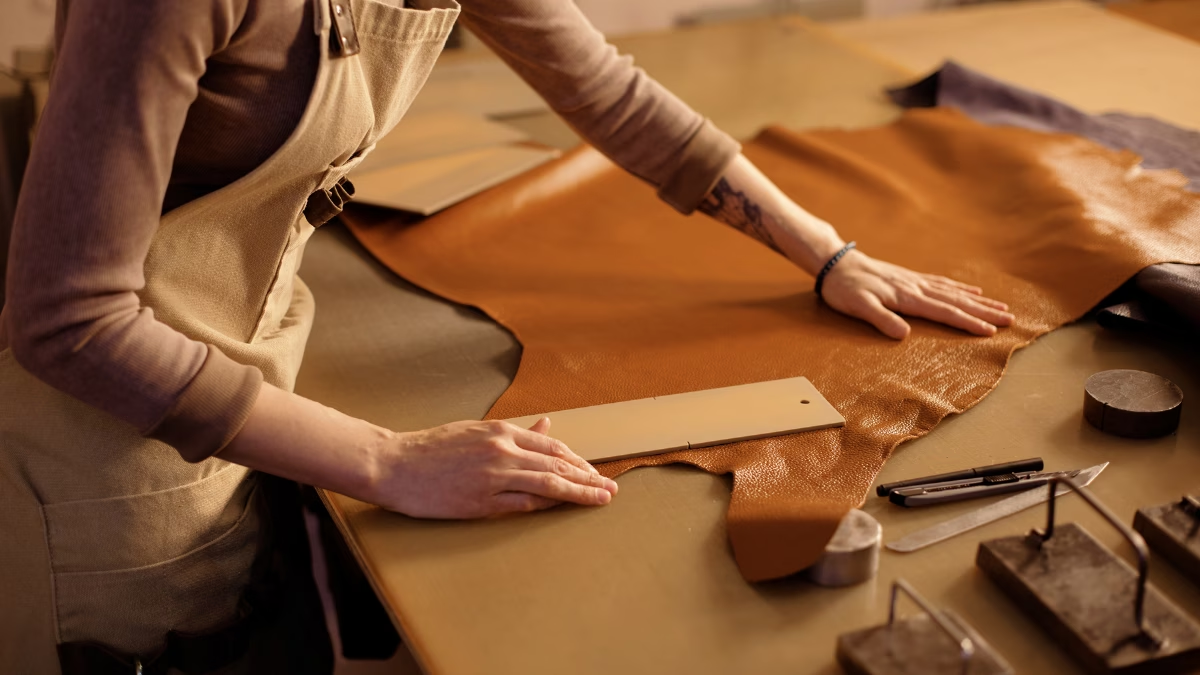
Our grandparents never threw away a shirt because of a missing button or a small tear. Learning to hand-sew a blind stitch or patch a pair of work trousers can double the life of your wardrobe, a critical skill when storage space is limited in an RV or tiny home.
2. Scratch Cooking and Baking
Relying on pre-packaged food is expensive and unhealthy. Mastering the art of the sourdough starter or a basic one-pot stew allows you to turn raw, bulk ingredients into gourmet meals for pennies.
3. Tool Sharpening
A dull tool is a dangerous tool. Knowing how to use a whetstone to sharpen kitchen knives, axes, and garden shears ensures your equipment works perfectly every time, without needing a professional service.
4. Food Preservation (Beyond the Fridge)
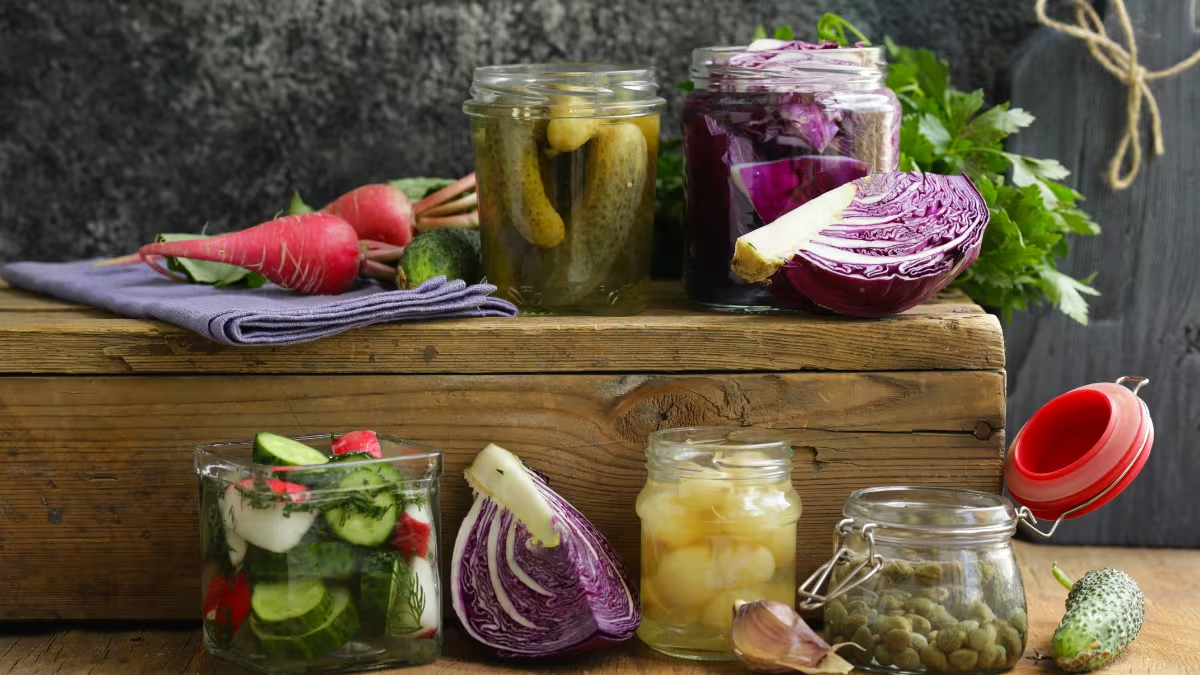
Long before modern refrigeration, our ancestors used fermentation and drying to keep the harvest through winter. Knowing how to salt, cure, and dehydrate food is essential for any off-grid pantry.
5. Basic Carpentry and Joinery
You don’t need to be a master builder, but knowing how to build a sturdy shelf, repair a wooden door, or construct a rainwater collection stand is a core requirement for independence.
6. Foraging and Herbalism
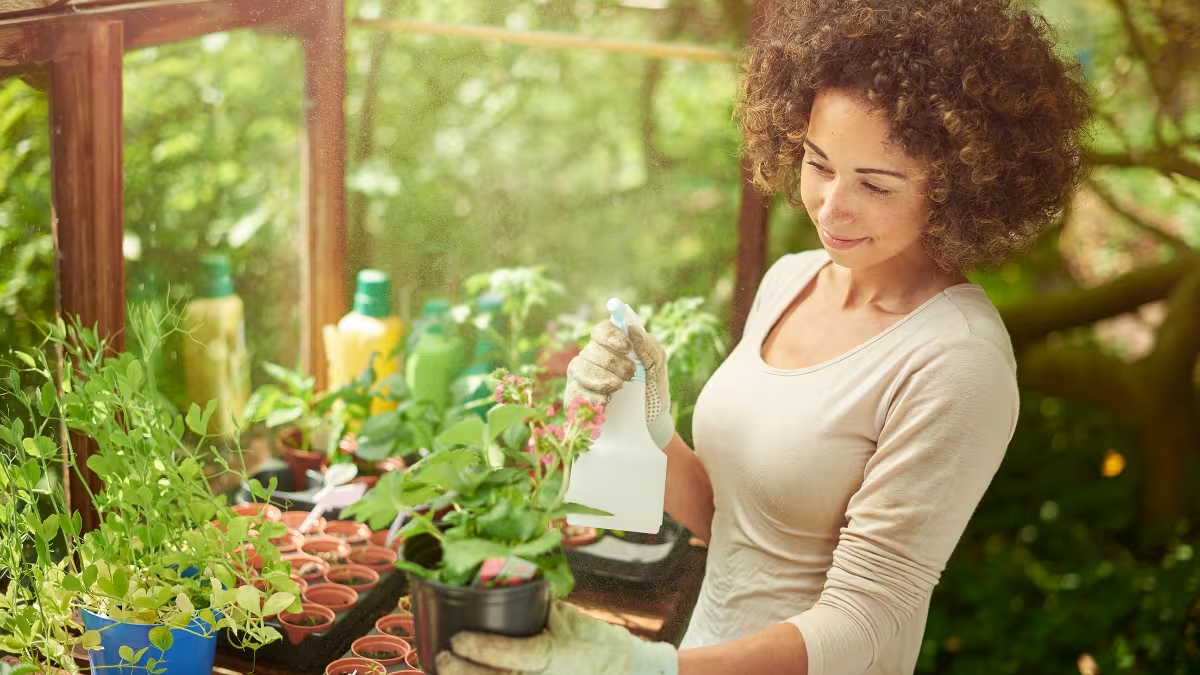
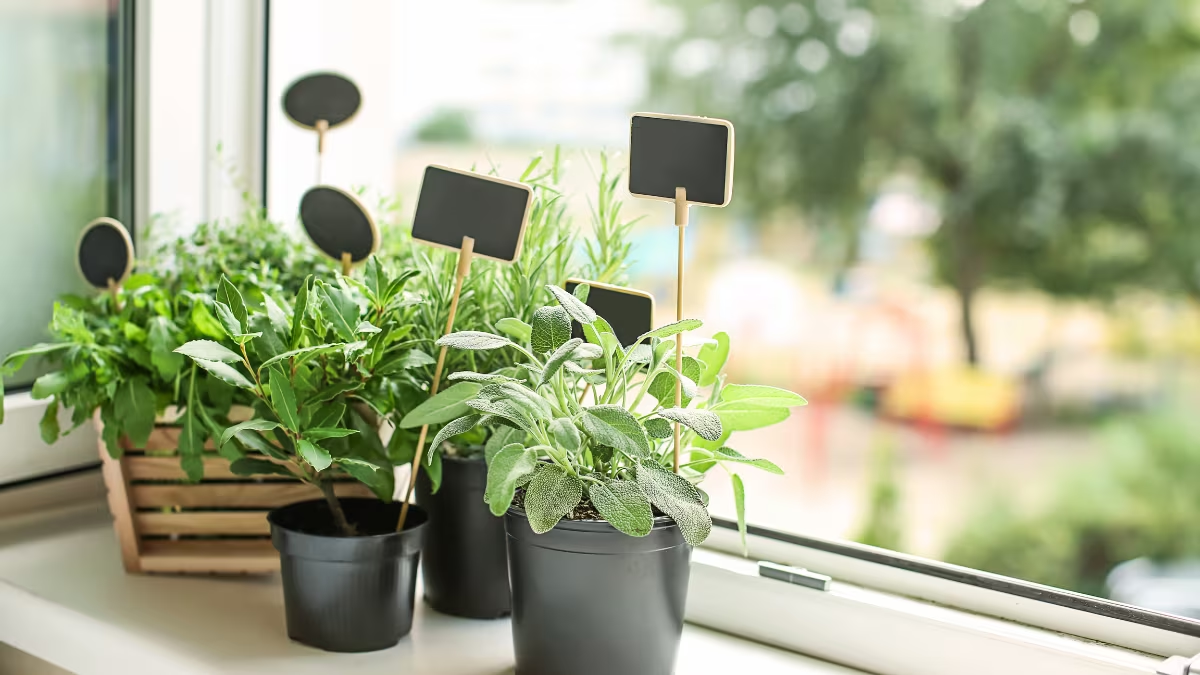
The weeds in your backyard or at your campsite are often food or medicine. Identifying dandelions, plantain, and stinging nettles can provide free nutrition and basic first-aid relief.
7. Fire Starting (In Any Weather)
In a self-sufficient world, fire is heat, light, and a cooking source. Our grandparents could start a fire with damp wood and a single match. Learning to build a top-down fire or use a ferro rod is a vital safety skill.
8. Knot Tying
From securing gear on an RV roof to setting up a clothesline or a tarp, knowing 3 or 4 essential knots (like the Bowline or Taut-Line Hitch) is a skill you will use every single day.
9. Seed Saving
True food sovereignty means never having to buy seeds again. Learning how to harvest and store seeds from your tomatoes and beans ensures your garden returns every year for free.
10. Bartering and Community Trade
Independence doesn’t mean being alone. Our grandparents traded eggs for milk or labor for hay. Learning how to negotiate and trade your skills for what you need is the most powerful financial skill you can possess.
Frequently Asked Questions
Which skill should I learn first?
Start with scratch cooking and basic mending. These provide the fastest return on investment by lowering your weekly expenses immediately.
Can I learn these skills online?
Absolutely. While our grandparents learned from their parents, you have the Global Village. YouTube and niche blogs are excellent for visual learning, but the key is to practice the skill, not just watch it.
How do I practice these in an RV?
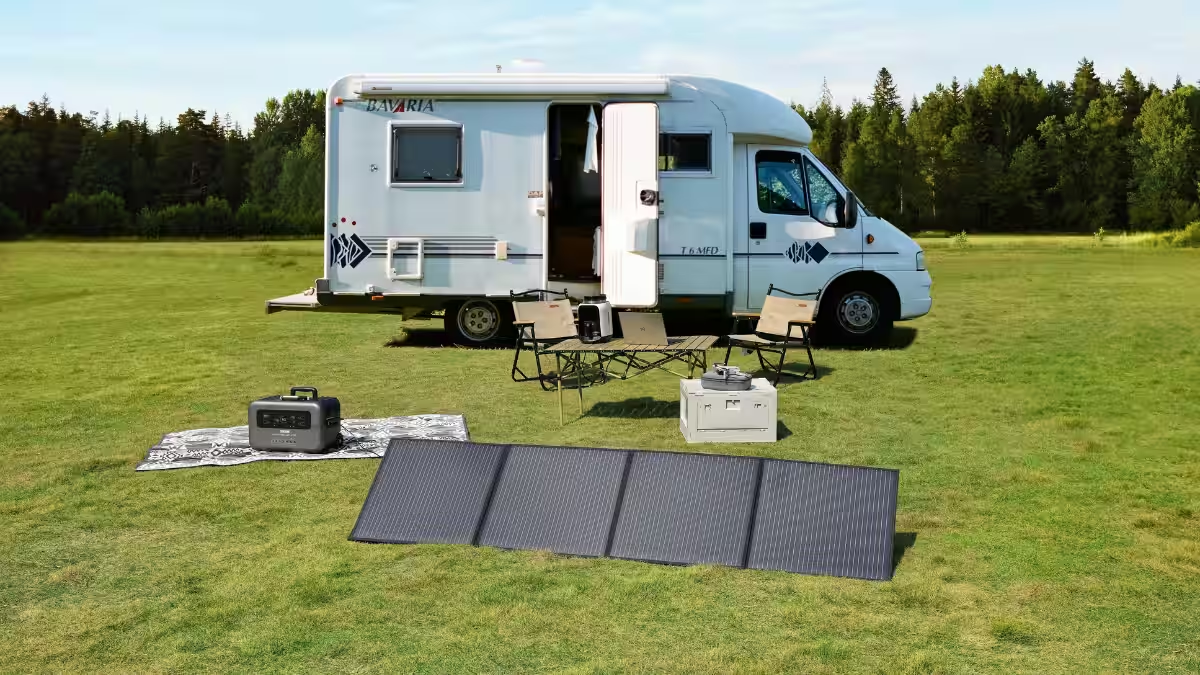
Focus on the Small Lab skills: mending, fermentation, knot tying, and scratch cooking. These require minimal space and can be mastered anywhere.
Conclusion: The New Old Way
Modern technology is a tool, but old-fashioned skills are your foundation. By embracing these forgotten skills for self-sufficiency, you are not moving backward; you are moving forward into a more secure, intentional, and empowered future. Pick one skill this week, master it, and watch your confidence as a modern outdoorsy individual grow.