Choosing the right solar array is the foundation of any reliable off-grid system. When comparing monocrystalline vs polycrystalline solar panels, the real decision comes down to how efficiently you can convert limited sunlight into usable energy, especially when space, heat, and system reliability are all critical factors.
Whether you are outfitting a remote cabin, a van conversion, or a tiny home, your panel choice directly affects how well your system performs under real-world conditions such as high temperatures, low light, and restricted roof space.
Monocrystalline vs Polycrystalline Solar Panels: Quick Answer
If you want the short answer:
- Choose monocrystalline panels if you have limited space and need maximum efficiency
- Choose polycrystalline panels if you have more space and want a lower upfront cost
For most off-grid setups, monocrystalline panels are the better long-term choice due to higher efficiency and better performance in challenging conditions.
How to Choose Between Monocrystalline and Polycrystalline Panels
Selecting the right panel type requires evaluating your environment, not just the price.
Available Surface Area
If you are working with a small roof, such as a van or tiny home, space becomes your limiting factor. Monocrystalline panels produce more power per square foot, making them the preferred option when every inch matters.
Climate and Temperature
Solar panels lose efficiency as temperatures rise. Monocrystalline panels typically handle heat better, which makes them more reliable in hot climates or exposed installations.
Budget vs Long-Term Value
Polycrystalline panels often cost less upfront. However, monocrystalline panels degrade more slowly, meaning they maintain higher output over time and deliver better long-term value.
Understanding the Technology Difference
The core difference lies in how the silicon is structured.
Monocrystalline Panels
- Made from a single crystal structure
- Higher efficiency (typically 17% to 22% or more)
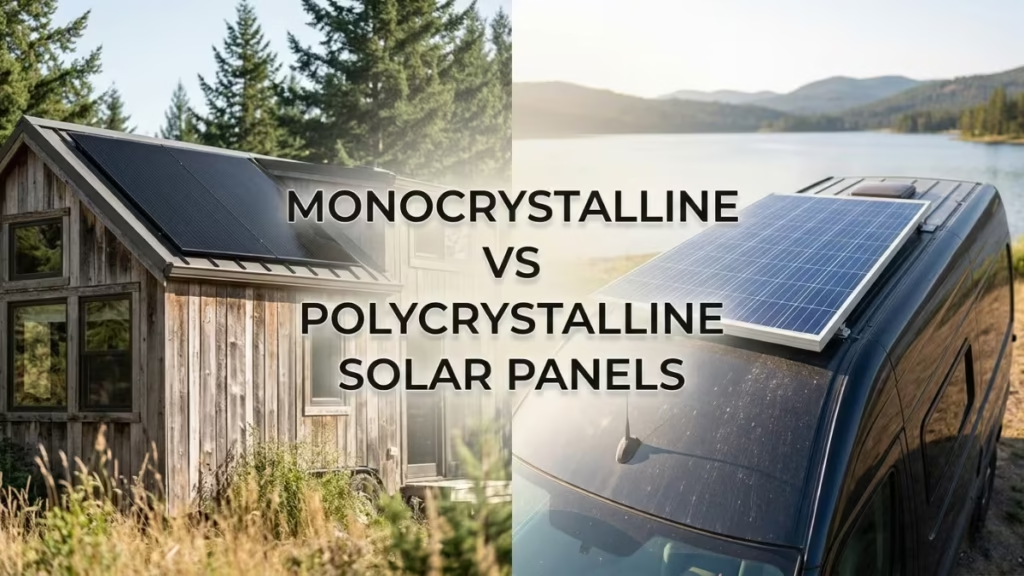
- Black appearance with a uniform finish
- Better electron flow and energy conversion
Polycrystalline Panels
- Made from multiple melted silicon fragments
- Lower efficiency (typically 15% to 17%)
- Blue, speckled appearance
- Slightly higher electrical resistance
This structural difference directly impacts performance, especially in off-grid environments where consistency matters.
Real-World Efficiency: Why It Matters
Efficiency is not just a specification; it determines how much usable power you can generate each day.
For example, if you can only fit four panels on a small roof:
- Monocrystalline system → ~400W output
- Polycrystalline system → ~320W output
That difference becomes critical during cloudy days or winter months, where every watt contributes to maintaining battery charge and system stability.
Performance in Heat and Low Light
Temperature Performance
Monocrystalline panels have a better temperature coefficient, meaning they lose less efficiency as temperatures rise. This makes them more reliable in hot climates.
Low-Light Conditions
While neither panel performs well in shade, monocrystalline panels are slightly better at capturing energy during early morning and late evening hours.
This advantage becomes important in:
- Forested environments
- Northern regions
- Short winter daylight cycles
Cost vs Performance Comparison
| Feature | Monocrystalline | Polycrystalline |
|---|---|---|
| Efficiency | High (17–22%+) | Moderate (15–17%) |
| Space Required | Low | Higher |
| Heat Performance | Strong | Moderate |
| Lifespan Stability | Higher | Slightly lower |
| Upfront Cost | Higher | Lower |
While polycrystalline panels may appear more affordable initially, many off-grid builders find that monocrystalline panels deliver better cost per watt over time.
Monocrystalline vs Polycrystalline Solar Panels FAQ
Which solar panel is better for off-grid systems?
Monocrystalline panels are generally better due to higher efficiency, better heat tolerance, and improved performance in limited space.
Can you mix monocrystalline and polycrystalline panels?
It is possible, but not recommended. Different electrical characteristics can reduce system efficiency and complicate charge controller optimization.
Which type lasts longer?
Both typically come with long warranties, but monocrystalline panels tend to maintain performance levels more consistently over time.
Building a Reliable Off-Grid Solar System
Choosing between monocrystalline vs polycrystalline solar panels is only one part of building a dependable system. To achieve true energy independence, your panels must work alongside:
- A properly sized battery bank
- A high-quality charge controller
- Efficient energy usage within your setup
If you are planning your full system, the next step is understanding battery storage options and charge controller performance, as these directly impact how much of your generated energy you can actually use.