Effective off-grid waste management is the final step in achieving true land stewardship. While many focus on getting water into their home, managing how it leaves is equally critical for preventing soil contamination and protecting local groundwater. By categorizing your waste into greywater and blackwater streams, you can implement specialized recovery systems that turn a disposal problem into a landscape-nourishing resource.
Defining the Streams: Greywater vs. Blackwater
In a remote setting, treating all wastewater as sewage is inefficient and wasteful.
-
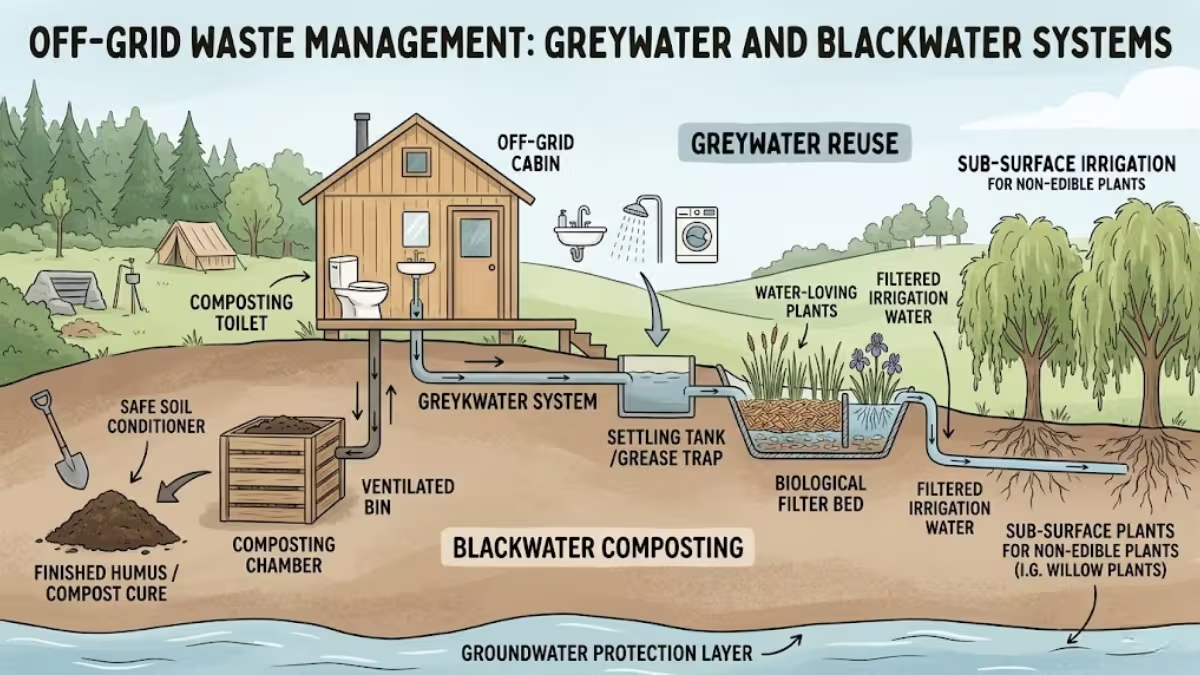
Greywater: This is relatively clean wastewater from your showers, sinks, and washing machines. With advanced filtration, this water can be safely diverted to irrigate non-edible plants.
-
Blackwater: This is water that has come into contact with human waste (toilets). Because it contains high levels of pathogens, it requires aggressive treatment via a septic system or should be eliminated entirely through the use of a composting toilet.
Managing Greywater: The Mulch Basin Technique
For tiny homes and cabins, a mulch basin is the most cost-effective and low-maintenance way to manage greywater.
-
How it Works: A shallow trench is dug around the dripline of a tree or shrub and filled with coarse wood chips or bark.
-
Biological Filtration: The mulch acts as a giant sponge and a home for beneficial microbes that break down soaps and organic matter before the water reaches the soil.
-
Maintenance: Every few years, simply add a fresh layer of mulch to the basin as the old layer decomposes into rich soil.
Blackwater Solutions: Septic Tanks vs. Cesspits
If you choose not to go waterless, your off-grid waste management plan must include a robust treatment vessel.
-
Septic Tanks (Preferred): A two-chambered tank where solids settle and anaerobic bacteria break down organic matter. The liquid effluent then flows into a drainage field for final soil filtration.
-
Cesspits (Last Resort): A sealed holding tank with no outlet. While cheaper to install, they require frequent, expensive pumping by a vacuum truck, which may be difficult for remote sites to access.
-
Mound Systems: Used in areas with high water tables or rocky soil where a traditional drain field isn’t possible.
Soil Percolation and Site Suitability Testing
No off-grid waste management system can outperform poor soil conditions. Before installing a septic tank, mound system, or even a greywater mulch basin, you must understand how quickly your soil absorbs and filters water.
A basic percolation test measures how fast water drains through the ground. Sandy soils drain quickly but may offer less pathogen filtration. Clay soils drain slowly, increasing the risk of surface pooling and system failure. Rocky or shallow bedrock sites may require elevated mound systems to prevent groundwater contamination.
Slope also matters. Systems installed on steep gradients can cause effluent to travel laterally rather than vertically, increasing environmental risk.
Professional soil testing may feel like an extra step, but it protects your land, your well water, and your long-term compliance with local health codes.
Advanced off-grid waste management begins beneath your feet.
The Role of Beneficial Bacteria in Waste Breakdown
All off-grid waste management systems rely on microscopic life to function.
-
Anaerobic Digestion: In septic tanks, bacteria that live without oxygen slowly liquefy solids.
-
Aerobic Processing: In mulch basins and wetlands, oxygen-loving bacteria work much faster to neutralize pathogens.
-
Pro-Tip: Avoid using harsh bleach or antibacterial cleaners, as these kill the very bacteria your system needs to stay healthy and clog-free.
The Waste Management Audit
-
Separation: Are my greywater and blackwater lines physically separated to prevent cross-contamination?
-
Gradient: Do my drain pipes have a consistent 1-in-40 fall (1 inch of drop for every 40 inches of length)?
-
Cleanouts: Have I installed Y-junction cleanout ports at every 45 or 90-degree turn to manage potential clogs?
-
Grease Trap: Is there a grease interceptor on the kitchen sink line to prevent fatbergs from ruining my mulch basin?
-
Vegetation: Are there thirsty, deep-rooted plants (like willows or poplars) near my greywater discharge point?
Conclusion: Responsible Stewardship
Mastering off-grid waste management ensures that your sanctuary remains a healthy environment for both you and the local wildlife. By respecting the difference between your water streams and utilizing biological filtration techniques, you turn wastewater into a tool for land regeneration.