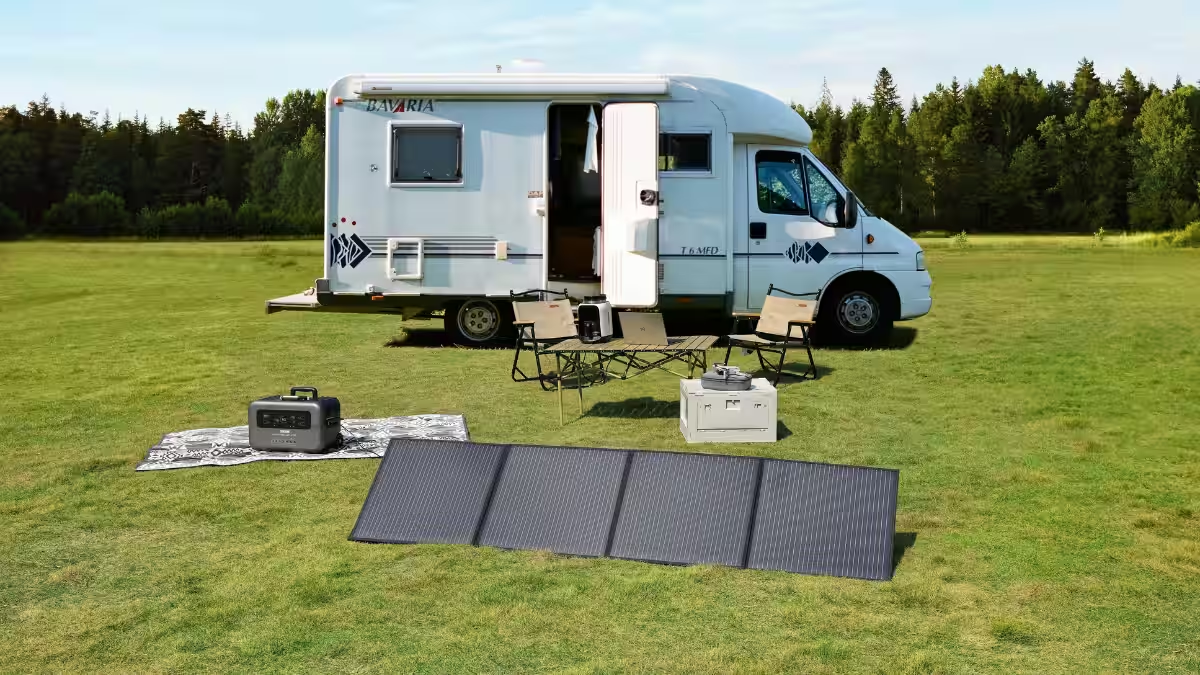
A portable solar bank for off-grid living is often the difference between true independence and frustration when your laptop battery drops to 5%, or your fridge goes silent in the middle of the night. You don’t need an electrical engineering degree to power life beyond the shore plug; you simply need to understand the basics of sizing your first portable solar setup. Whether you are planning weekend escapes into the wild or transitioning into full-time tiny home or RV living, this guide will help you calculate your energy needs and choose the right solar system for reliable off-grid freedom.
Why a Portable Solar Bank is Essential for Self-Sufficiency
Transitioning to a self-sufficient lifestyle requires a reliable way to harvest and store energy. In the past, off-grid power meant a complex DIY system of lead-acid batteries and messy wiring. Today, using a portable solar bank for off-grid living has made energy independence plug-and-play. However, the most expensive mistake you can make is buying a unit that is too small for your appliances or too heavy for your mobile setup.
Step 1: The Daily Load Audit
Before you shop, you must know your numbers. Power is measured in Watt-hours (Wh). To find your daily need, look at the Input label on your devices.
-
Laptops: Typically use 60–100W per hour. If you work for 5 hours, you need 500Wh.
-
12V Fridges: These cycle on and off but usually average 400-500Wh per day.
-
Phone Charging: Negligible, usually 10–15Wh per full charge.
The Rule of Thumb: Total up your daily Watt-hours and multiply by 1.5. This buffer ensures you don’t drain your battery to zero, which extends the life of the unit.
Step 2: Choosing the Right Battery Chemistry
In the Lab, we only recommend two types of batteries for long-term self-sufficiency:
-
Lithium-Ion: Lightweight and portable, but usually only lasts for 500–800 charge cycles.
-
LiFePO4 (Lithium Iron Phosphate): Slightly heavier, but incredibly durable. These can last for 3,000+ cycles, meaning you can use them every day for nearly 10 years.
Step 3: Sizing the Solar Input
A battery is just a tank; you need solar input to fill it. If you have a 1,000Wh battery bank, you need enough solar panels to fill that tank during the 5–6 hours of peak sunlight available each day.
-
100W Panel: Realistic daily yield is 400–500Wh.
-
200W Panel: Realistic daily yield is 800–1,000Wh.
Portable Solar Bank Comparison Table
| Usage Level | Battery Capacity | Recommended Solar | Best For |
| The Weekend Camper | 250Wh – 500Wh | 60W – 100W | Phones, Cameras, Fans. |
| The Digital Nomad | 1000Wh – 1500Wh | 200W – 400W | Laptops, Starlink, Small Fridge. |
| The Full-Time Liveaboard | 2000Wh+ | 400W+ | Induction Cooktops, Power Tools. |
Common Mistakes When Choosing a Portable Solar Bank for Off-Grid Living
Many beginners assume bigger is always better, but oversizing your system can create unnecessary weight, cost, and complexity. The goal is balance between realistic daily usage and mobility.
Buying based on peak wattage instead of daily consumption
High output ratings look impressive, but most off-grid users run low-watt devices for long periods. Focus on total Watt-hours rather than maximum surge power.
Ignoring charging speed
A large battery paired with insufficient solar input can leave you waiting days for a recharge. Always match panel wattage to battery capacity.
Underestimating expansion needs
Your power demand often grows once you begin living off-grid. Choose systems that allow additional panels or expandable battery capacity.
How Weather and Seasonality Affect Solar Performance
Solar output changes dramatically depending on geography and season. Planning for worst-case conditions prevents power shortages later.
-
Winter months can reduce solar production by 30 to 60 percent, depending on latitude.
-
Cloud cover significantly reduces charging efficiency.
-
Shorter daylight hours require larger battery reserves.
A practical strategy is to size your system based on winter performance rather than summer abundance. If your setup works during low-sun periods, it will feel effortless during peak seasons.
Portable Solar Bank Placement Tips for Maximum Efficiency
Where you place your panels matters as much as how many you own.
-
Tilt panels toward the sun whenever possible instead of laying flat.
-
Avoid partial shade from trees, antennas, or roof accessories.
-
Clean dust and debris regularly because even light dirt reduces output.
Mobile setups benefit from portable panels that can be positioned independently from your vehicle or tiny home to capture optimal sunlight.
Safety and Longevity Tips for Off-Grid Battery Systems
A well-maintained portable solar bank can last years longer than expected.
-
Keep batteries ventilated and away from extreme heat.
nd=2653>Avoid draining batteries to zero percent regularly.
-
Store between twenty and eighty percent charge for long-term storage.
-
Keep batteries ventilated and away from extreme heat.
-
Use manufacturer-approved cables and connectors.
LiFePO4 batteries especially reward proper usage with thousands of reliable cycles.
Realistic Expectations for First-Time Off-Grid Users
Energy independence is not about unlimited electricity. It is about conscious consumption. Many new users discover that learning energy awareness becomes one of the most empowering parts of off-grid living.
Instead of running everything at once, you begin to:
Schedule high-energy tasks during peak sunlight hours.
High output ratings look impressive, but most off-grid users run low-watt devices for long periods. Focus on total Watt-hours rather than maximum surge power.
Choose energy-efficient appliances.
Develop habits that reduce unnecessary consumption.
This shift transforms your relationship with power from passive use into active management.
The Off-Grid Reality Check Most Beginners Don’t Expect
The biggest shift when using a portable solar bank for off-grid living is not technical; it is psychological. Many first-time users assume energy independence means unlimited power, but true off-grid success comes from learning energy awareness.
Instead of relying on constant grid supply, you begin to understand how weather, sunlight, and daily habits influence your energy availability. This does not create limitation; it creates intentional living.
You may find yourself:
-
Running high-power appliances during peak sunlight hours.
-
Choosing energy-efficient tools that work smarter, not harder.
-
Building daily routines that align with natural energy cycles.
Over time, this awareness becomes empowering rather than restrictive. You gain confidence knowing exactly how your system works and how to adapt when conditions change.
Building Your First System Is Just the Beginning
Your first portable solar bank is not the final destination; it is your entry point into energy independence. Many off-grid users start with a simple setup for laptops and lighting, then gradually expand into refrigeration, cooking, or even full-time off-
The biggest shift when using a portable solar bank for off-grid living is not technical; it is psychological. Many first-time users assume energy independence means unlimited power, but true off-grid success comes from learning energy awareness.
The goal is not perfection on day one. The goal is understanding your real energy needs through experience.
Start small. Learn fast. Scale intentionally.
That is how true off-grid freedom is built.
Quick Action Checklist Before You Buy
Where you place your panels matters as much as how many you own.
4966 data-end=5041>Before choosing your portable solar bank, run through this quick checklist:
-
Calculate your daily Watt-hour needs using real devices.
-
Choose LiFePO4 battery chemistry for long-term reliability.
-
Match solar input to battery capacity for realistic recharge times.
-
Consider weight and portability if your setup is mobile.
-
Plan for expansion as your power demands grow.
A well-sized system does more than power your devices; it removes stress from your off-grid lifestyle.
Frequently Asked Questions
Can I leave my solar bank plugged in all the time?
Yes. Most modern units have a BMS (Battery Management System) that prevents overcharging. If you are using it in a Tiny Home, leaving it plugged into your panels ensures you always have a full tank for the night.
What happens if it’s cloudy?
Solar panels still work in overcast weather, but their efficiency drops. This is why we recommend sizing your battery bank to hold at least two days’ worth of power to get you through a storm.
Conclusion: Start Small, Think Big
Energy independence doesn’t happen overnight. For many, sizing your first portable solar bank is the gateway to a more self-sufficient lifestyle transition. It gives you the confidence to leave the grid behind, knowing that as long as the sun rises, your lights will stay on. Assess your needs, respect the math, and start harvesting your own power.
A portable solar bank for off-grid living is more than a gadget; it is a gateway into true autonomy. Starting with a properly sized system allows you to learn your real-world power needs without overwhelming complexity. As your experience grows, your setup can expand, but the foundation remains the same: understand your energy usage, plan for real conditions, and build resilience step by step.