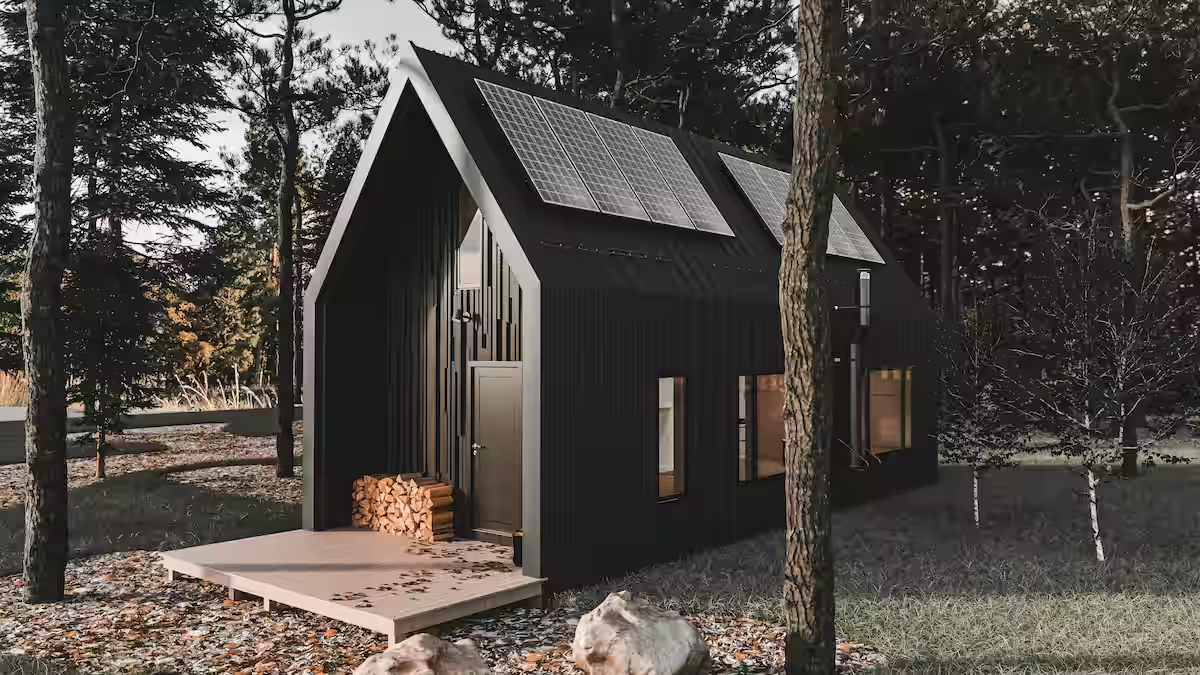
Connecticut is rapidly becoming a premier destination for the tiny home movement in New England. As one of the most densely populated states in the country, the Constitution State is increasingly looking to small-scale housing as a way to provide affordable, sustainable living options in high-demand areas. Finding the best tiny home builders in Connecticut involves partnering with professionals who can navigate the state’s rigorous safety standards while building homes that thrive in the variable Northeast climate.
How to Choose the Best Tiny Home Builders in Connecticut
When selecting a builder in Connecticut, your first step is ensuring they are well-versed in the Connecticut State Building Code, which has officially incorporated Appendix Q. This provides a legal pathway for permanent tiny houses under 400 square feet. If you are building in a suburban town like Fairfield or West Hartford, prioritize builders who specialize in Accessory Dwelling Units (ADUs), as many local zoning boards have recently streamlined the approval process for backyard cottages.
For those planning a retreat in the Litchfield Hills, look for builders who provide superior cold-climate insulation packages and high-performance heating systems. Always verify that a builder of mobile units provides RVIA or NOAH certification, as this is frequently required for legal placement in Connecticut’s regulated mobile home parks and campgrounds.
The Tiny Home Movement in Connecticut
The movement in Connecticut is defined by a shift toward suburban density and aging-in-place solutions. In 2021, the state passed landmark legislation (Public Act 21-29) that prohibits municipalities from outright banning ADUs unless they follow a specific opt-out process. This has made Connecticut one of the more accessible states for adding a tiny home to an existing residential lot.
Beyond backyard units, the state is seeing the growth of eco-conscious tiny developments. From the quiet corners of Windham County to the coastal communities along the Sound, tiny living is being embraced by both young professionals seeking a minimalist lifestyle and retirees looking to downsize while staying close to family.
Climate and Design: New England Resilience
Building in Connecticut requires a home that can act as a sanctuary against humid Atlantic summers and freezing, snow-laden winters.
-
High-R-Value Insulation: To handle the sharp temperature drops of a New England winter, the best builders in Connecticut prioritize closed-cell spray foam insulation. This not only provides superior warmth but also acts as a vapor barrier against the state’s significant humidity.
-
Snow Load Integrity: Whether you are on the coast or in the highlands, your roof must be engineered for heavy snow. Reputable builders in the state use reinforced framing and metal roofing to ensure safety and longevity during winter storms.
-
Energy Efficiency: Connecticut has some of the highest utility rates in the country. Look for builders who incorporate energy-efficient appliances, LED lighting, and high-performance mini-split systems to keep your monthly operating costs as low as possible.
Featured Tiny Home Builders in Connecticut
Connecticut’s tiny home market is shaped by strict zoning rules and a four-season climate that demands durable, well-insulated construction. The builders below are known for creating compact homes that balance efficient design with the structural standards required across the state.
1. Westchester Modular Homes (Serving Connecticut)
While based just over the border, Westchester Modular is a dominant force in the Connecticut small-home market. They offer a range of highly efficient modular tiny homes that are built to exceed traditional residential codes.
-
Location: Serving all of Connecticut.
-
Specialty: Modular tiny homes and permanent ADUs.
-
Why They Stand Out: Their factory-built process ensures incredible precision and speed. Because their homes are modular, they are treated as traditional real estate, making them much easier to finance and permit in stricter Connecticut townships.
-
Best Suited For: Homeowners who want a permanent, high-quality residence with a predictable timeline and full code compliance.
2. Craft-Spec Homes
Located in Central Connecticut, Craft-Spec focuses on high-quality, custom-built small homes and accessory structures that prioritize architectural harmony with the primary residence.
-
Location: Berlin, CT
-
Specialty: Custom foundation-built tiny homes and ADUs.
-
Why They Stand Out: They offer a personalized design-build experience, ensuring that the tiny home matches the aesthetic of the neighborhood while utilizing modern, sustainable materials.
-
Best Suited For: Individuals looking to add a legal, permanent rental or in-law suite to their Connecticut property.
3. Modern Tiny Living (Serving Connecticut)
Modern Tiny Living is a frequent choice for Connecticut residents who want a high-end, mobile tiny home. They have significant experience delivering to the Northeast and understand the specific insulation needs of the region.
-
Location: Regional Delivery to Connecticut.
-
Specialty: Luxury custom tiny homes on wheels.
-
Why They Stand Out: Their homes are known for industry-leading interior design and smart home integration, providing a luxury living experience in a small footprint.
-
Best Suited For: Dwellers who want a premium, mobile home for use in a tiny home community or as a high-end travel unit.
Zoning and Legal Realities in Connecticut
Connecticut’s legal landscape is becoming more uniform, but local municipal rules still play a major role.
-
Public Act 21-29: This law fundamentally changed ADU rights in Connecticut, making it significantly harder for towns to block small-scale housing. However, some towns have opted out of the state’s default rules, so you must verify your local ordinance.
-
Appendix Q Compliance: If you are building on a permanent foundation, your home must meet the stairs, loft, and ceiling height requirements outlined in Appendix Q of the state building code.
-
Septic and Sewer: Connecticut has strict health codes regarding wastewater. If you are building on a rural lot, you must secure a permit for a septic system that is sized correctly for the dwelling.
Practical Insight: A resident in New London County found that by opting for a certified park model tiny home, they were able to place their unit in a local year-round community with far less red tape than if they had attempted to build a custom unit on private land without a prior zoning variance.
Expected Cost Ranges in Connecticut
Connecticut is a premium market due to high labor standards and the necessity for high-performance materials.
| Home Type | Typical Price Range |
| DIY Shell / Basic Kit | $35,000 to $60,000 |
| Standard Turnkey Build | $90,000 to $140,000 |
| Luxury / Custom Modular ADU | $180,000 to $275,000 plus |
FAQ: Tiny Living in the Constitution State
Are tiny homes legal in Connecticut?
Yes. Permanent tiny homes are legal under Appendix Q. The ease of placing a tiny home on wheels depends on your local town’s zoning and whether they allow RVs as primary residences.
Can I put a tiny house in my backyard in Connecticut?
In many cases, yes. Most Connecticut towns now allow ADUs, though you must follow local rules regarding setbacks and utility connections.
Does a tiny home need to be winterized in Connecticut?
Absolutely. Any tiny home in Connecticut must have high-quality insulation and a reliable heat source to handle the sub-freezing winter temperatures common in New England.
Nearby Tiny Home Builder Guides
If Connecticut isn’t the right fit, explore the builders and laws in neighboring Northeast states.
For a broader view, visit our complete USA directory of leading tiny home builders serving different states and regions.
Exploring the Tiny Lifestyle
Transitioning to a smaller footprint in Connecticut is a smart way to enjoy the beauty of New England with more financial freedom. To help you prepare, we recommend reviewing our guide on Tiny Home Parking Laws. If you are still finalizing your budget, check out our Tiny Home Cost Breakdown to see how your investment will pay off in the long run.