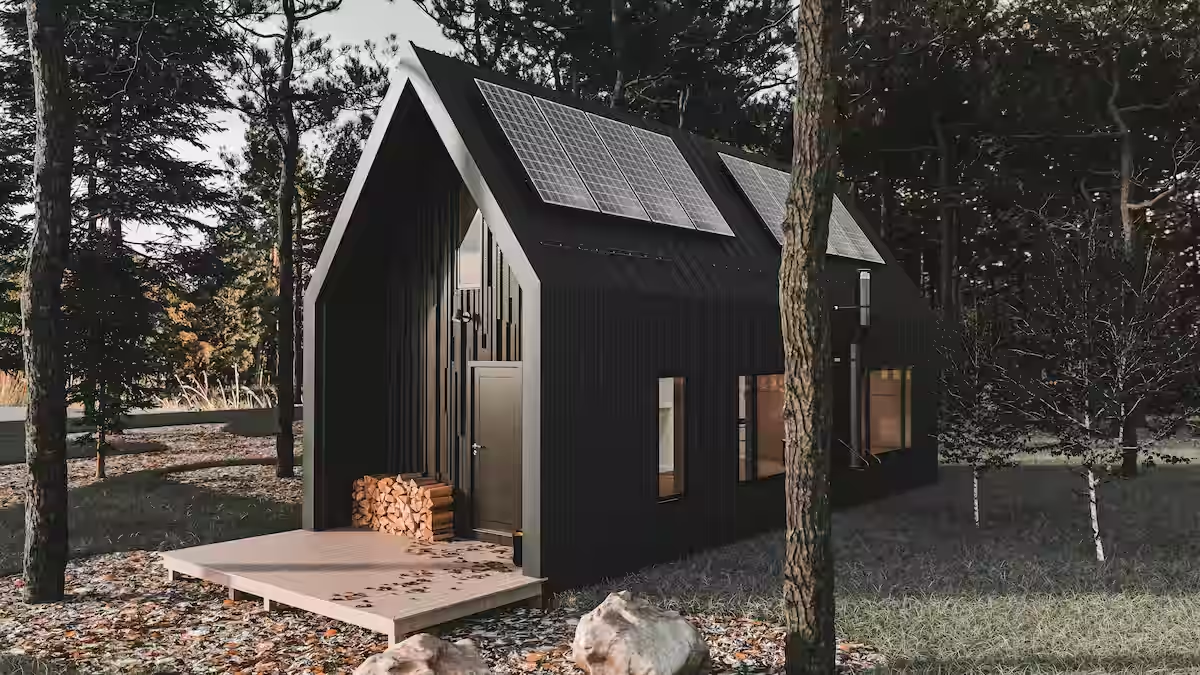
North Carolina has become one of the most diverse tiny home markets in the country. From the rugged peaks of the Appalachians in the west to the humid, sandy shores of the Outer Banks in the east, the state offers a lifestyle for every type of small-space enthusiast. Finding the best tiny home builders in North Carolina requires selecting a team that understands this geographic duality and can engineer a home that stays warm in a mountain blizzard or remains secure during a coastal gale.
How to Choose the Best Tiny Home Builders in North Carolina
Choosing the best tiny home builders in North Carolina requires finding a builder who understands the state’s dramatic geographic differences. Homes designed for the Blue Ridge Mountains must handle colder winters and higher elevations, while coastal homes near the Outer Banks need stronger wind resistance and corrosion-resistant materials to handle salt air.
Start by confirming whether the builder has experience with both mountain and coastal engineering requirements. Builders working in western North Carolina typically prioritize insulation and energy efficiency, while coastal specialists focus on hurricane-rated windows, reinforced anchoring, and wind-load compliance.
Next, evaluate whether the builder is familiar with Appendix Q building standards and RVIA certification. These certifications help ensure your home meets safety codes and make it easier to place your home in established tiny home communities or secure financing.
Finally, consider builders who understand community placement and off-grid possibilities. North Carolina has a growing network of tiny home villages in the Asheville region and increasing interest in rural homesteads across the Piedmont and mountain counties.
Working with experienced tiny home builders in North Carolina ensures your home is engineered for the state’s diverse climate while giving you flexibility to live in mountain retreats, coastal escapes, or thriving tiny home communities.
The Tiny Home Movement in North Carolina
North Carolina is home to several high-profile tiny home communities and advocates who have worked tirelessly to make the state a leader in alternative housing. In the western part of the state, towns like Asheville and Flat Rock have become hubs for eco-conscious living, while the Village at Wildflowers stands as one of the most successful tiny home communities in the nation.
The state’s regulatory environment is also maturing. North Carolina has adopted Appendix Q into its building code, providing a clear pathway for permanent tiny homes. Additionally, the state is increasingly friendly toward accessory dwelling units (ADUs) as a solution for urban density in cities like Raleigh and Charlotte.
Climate and Design: Elevation vs. Humidity
In North Carolina, your specific location determines the engineering of your home. A house built for the coast will fail in the mountains, and vice versa.
-
High-Altitude Insulation: In the Blue Ridge Mountains, winter temperatures can drop significantly. Most reputable builders in this region utilize closed-cell spray foam and high-efficiency heat pumps to ensure the home remains a sanctuary during the cold months.
-
Coastal Wind and Salt Resistance: If you are placing your home near the coast, it must be rated for high wind loads. Builders in eastern North Carolina focus on hurricane-rated windows, stainless steel fasteners to resist salt-air corrosion, and robust anchoring systems.
-
Moisture Management: Across the state, humidity is a factor. Proper ventilation is critical in a small space to prevent mold. Builders often recommend energy recovery ventilators (ERVs) to keep fresh air circulating without losing your temperature control.
Featured Tiny Home Builders in North Carolina
1. Wishbone Tiny Homes
Based in Asheville, Wishbone is a family-owned business that focuses on high-quality, sustainable craftsmanship. They are deeply rooted in the local community and have a reputation for beautiful, functional designs.
-
Location: Asheville, NC
-
Specialty: Custom THOWs and foundation-built ADUs.
-
Why They Stand Out: They prioritize local materials and sustainable building practices, creating homes that feel like a natural extension of the North Carolina landscape.
-
Best Suited For: Those who value artisan craftsmanship and want a home designed by people who understand mountain living.
2. Nanostead
Nanostead specializes in high-performance small homes and homesteading infrastructure. They aren’t just building houses; they are helping people create self-sufficient lifestyles.
-
Location: Marshall, NC
-
Specialty: Off-grid capable tiny homes and sustainable homesteads.
-
Why They Stand Out: Their expertise in solar integration and rainwater harvesting makes them the premier choice for anyone looking to live off-grid in the North Carolina backcountry.
-
Best Suited For: Future homesteaders who want a durable, off-grid residence.
3. Perch & Nest
Perch & Nest is known for their creative use of space and unique, farmhouse-inspired aesthetics. They offer a range of options, from custom designs to professionally renovated vintage campers.
-
Location: Winston-Salem, NC
-
Specialty: Custom tiny homes on wheels and creative small-space renovations.
-
Why They Stand Out: They have an incredible eye for interior design, ensuring that their homes feel open, airy, and full of character.
-
Best Suited For: Dwellers who want a unique, stylish home with a focus on interior livability and aesthetic appeal.
Zoning and Legal Realities in North Carolina
Zoning varies significantly between the progressive mountain counties and the more traditional suburban areas.
-
Appendix Q Compliance: Tiny homes on foundations must meet the North Carolina Residential Building Code, which now includes the Appendix Q standards for ceiling heights and loft access.
-
ADU Progress: Many North Carolina cities are easing restrictions on backyard cottages. Raleigh, for example, recently updated its rules to make it easier for homeowners to add a tiny ADU for family or rental income.
-
THOW Classification: Like many states, tiny homes on wheels are often classified as park-model RVs. To live in one full-time, you generally need to be in a designated tiny home community or an RV park with year-round residency permits.
Practical Insight: A resident near Hendersonville discovered that by choosing a builder who offered RVIA certification, they were able to secure a traditional RV loan with a much lower interest rate than a personal loan, making their dream of tiny living financially viable much sooner than expected.
Expected Cost Ranges in North Carolina
North Carolina offers a competitive market, though prices in the high-demand mountain regions can reflect the local cost of living.
| Home Type | Typical Price Range |
| DIY Shell / Basic Kit | $25,000 – $45,000 |
| Mid-Range Turnkey (THOW) | $75,000 – $115,000 |
| Luxury / Custom On-Site ADU | $130,000 – $190,000+ |
FAQ: Tiny Living in the Old North State
Is it legal to live in a tiny home in North Carolina?
Yes. Permanent tiny homes are legal statewide under Appendix Q. Tiny homes on wheels are subject to local zoning and are most easily placed in established tiny home communities or RV parks.
Do I need a special permit for a tiny home on the coast?
Yes. Coastal builds often require a CAMA (Coastal Area Management Act) permit and must meet specific wind-load ratings to ensure the home is safe during hurricane season.
Are there tiny home communities in North Carolina?
Yes, North Carolina has some of the best communities in the country, including Village at Wildflowers in Flat Rock and Acony Bell Tiny Home Community in Mills River.
Nearby Tiny Home Builder Guides
If North Carolina doesn’t have exactly what you need, explore the builders and zoning laws in our neighboring Southeast states.
You can also explore our complete national directory of Tiny Home Builders in the USA, where we compare trusted builders, zoning considerations, and construction styles across every region of the country.
Exploring the Tiny Lifestyle
Building your tiny home is only the first step in your journey in the Old North State. To make the transition easier, we recommend reviewing our guide on Tiny Home Parking Laws, so you know where you can legally place your home. If you are still planning your finances, explore our Tiny Home Cost Breakdown to better understand the long-term expenses of small-space living.