The Self-Sufficiency Lab

Welcome to The Self-Sufficiency Lab, the definitive hub for mastering the skills of modern independence. Whether you are living in a tiny home, traveling full-time in an RV, or simply looking to reduce your reliance on external systems, this category provides the practical blueprints you need to become a “producer” rather than just a consumer.

In the Lab, we move beyond theory to provide actionable, step-by-step guides on the five pillars of autonomy: Food Sovereignty, Water Security, Energy Independence, Financial Frugality, and Skill Handiness. Here, you will find our latest research and field-tested advice on everything from building high-yield windowsill gardens in small apartments to engineering off-grid solar power systems for life on the road.

Our mission is to help you bridge the gap between traditional outdoor living and a fully self-sustained lifestyle. Explore our deep dives into food preservation, rainwater harvesting, and DIY repair skills designed to save you money while building a more resilient future. The journey to self-sufficiency starts with one small change. Start yours here in the Lab.

A bright, clean arrangement of essential ingredients for natural cleaning for off-grid homes. The image features a clear bottle labeled "VINEGAR," a glass jar of "SODA" (baking soda), a fresh lemon half, a white cleaning cloth, and two wooden-handled scrubbing brushes, showcasing non-toxic alternatives for remote living.

Natural Cleaning: Non-Toxic DIY Recipes for Off-Grid Homes

In a remote sanctuary, natural cleaning for off-grid homes is more than a lifestyle choice; it is a technical necessity. Traditional big brand cleaners are often loaded with anti-bacterial agents and phosphates that can kill the beneficial bacteria in your off-grid composting toilets and contaminate your greywater mulch basins. By mastering a few simple, non-toxic recipes, […]

Natural Cleaning: Non-Toxic DIY Recipes for Off-Grid Homes Read More »

A clean, minimalist laundry station featuring a white front-loading washing machine to represent high-efficiency off-grid laundry solutions. Beside it, a wooden shelf holds folded towels and eco-friendly detergents, while a collapsible metal drying rack with hanging clothes stands to the left, illustrating passive solar drying methods for tiny homes.

Off-Grid Laundry: Manual and High-Efficiency Solutions for Small Spaces

Managing off-grid laundry solutions is one of the most significant hurdles for long-term remote living. Standard domestic washing machines are energy and water gluttons, often drawing more power than a small solar array can provide in a single day. By shifting to a combination of manual agitation tools and high-efficiency compact appliances, you can maintain

Off-Grid Laundry: Manual and High-Efficiency Solutions for Small Spaces Read More »

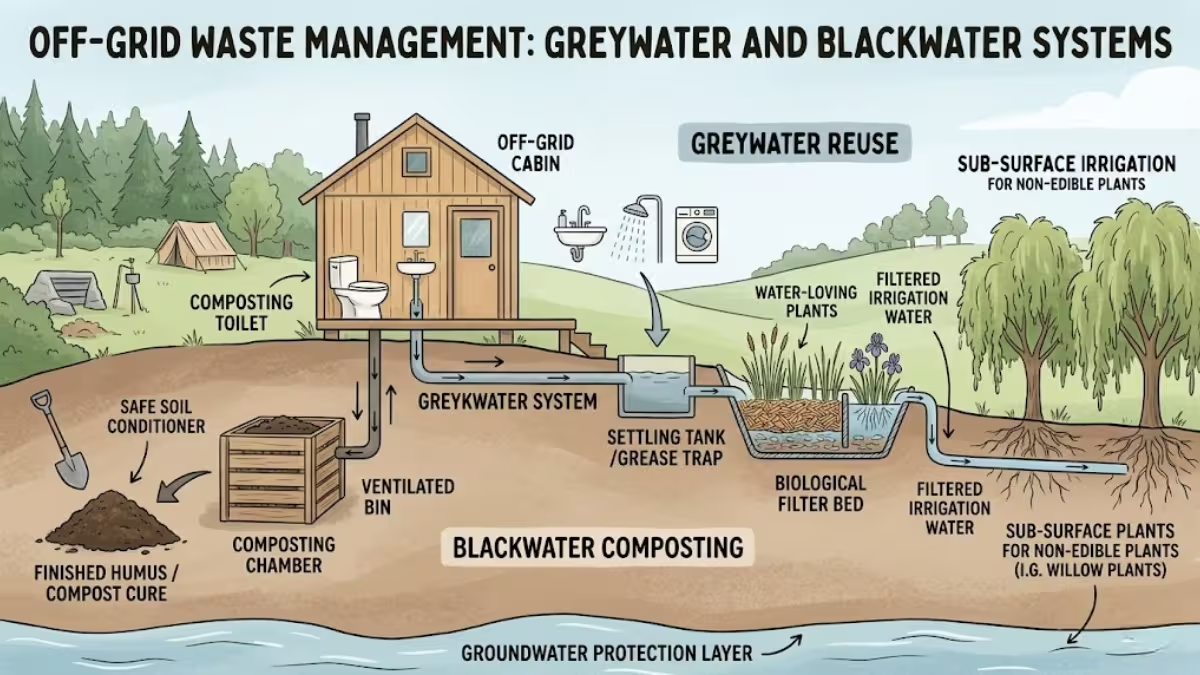
An educational feature image illustration showing the core components of off-grid waste management. The left side details a greywater system, where sink and shower water flows through a 3-stage filtration basin with gravel and reeds. The right side shows blackwater management, where a composting toilet transfers waste to a batch system and a final humanure curing bin, labeled for safe landscape use. The background shows a rustic off-grid cabin in a natural setting.

Off-Grid Waste Management: Managing Greywater and Blackwater Systems

Effective off-grid waste management is the final step in achieving true land stewardship. While many focus on getting water into their home, managing how it leaves is equally critical for preventing soil contamination and protecting local groundwater. By categorizing your waste into greywater and blackwater streams, you can implement specialized recovery systems that turn a

Off-Grid Waste Management: Managing Greywater and Blackwater Systems Read More »

A close-up, high-detail photo of a black textured off-grid fuel management diesel cap with the word "DIESEL" printed twice in bold white letters. The cap is wet with water droplets, resting against a weathered orange fuel canister, symbolizing rugged and reliable energy storage for remote living and backup power systems.

Off-Grid Fuel Management: Storing Propane and Diesel Safely in the Wild

Reliable off-grid fuel management is the heartbeat of a remote sanctuary, providing the energy needed for heat, cooking, and backup power during low-sun winters. However, storing large quantities of combustible liquids and gases in remote areas requires more than just a sturdy tank; it demands a disciplined approach to safety, storage conditions, and consumption tracking.

Off-Grid Fuel Management: Storing Propane and Diesel Safely in the Wild Read More »

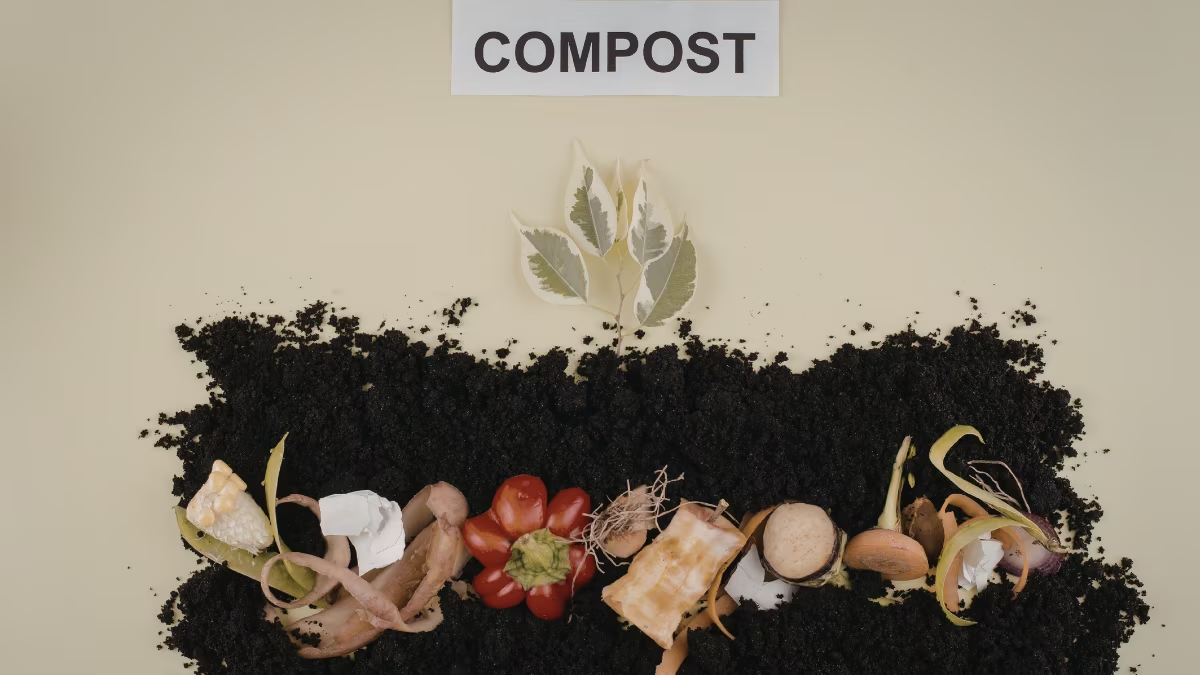
A top-down editorial photo showing the organic breakdown process for off-grid composting toilets. A layer of rich, dark black soil is topped with natural kitchen scraps, including bell pepper cores, apple remains, corn husks, and onion skins. A white label at the top reads "COMPOST" in bold black text, symbolizing the transition from waste to wealth in a sustainable sanitation system.

Waste to Wealth: The Science of Off-Grid Composting Toilets

Off-grid composting toilets have evolved from rustic necessities into high-performance biological reactors. By moving away from the flush and forget mentality, you can transform human waste into nutrient-rich humus, closing the ecological loop of your home. This waterless technology not only saves thousands of liters of freshwater annually but also eliminates the need for expensive

Waste to Wealth: The Science of Off-Grid Composting Toilets Read More »