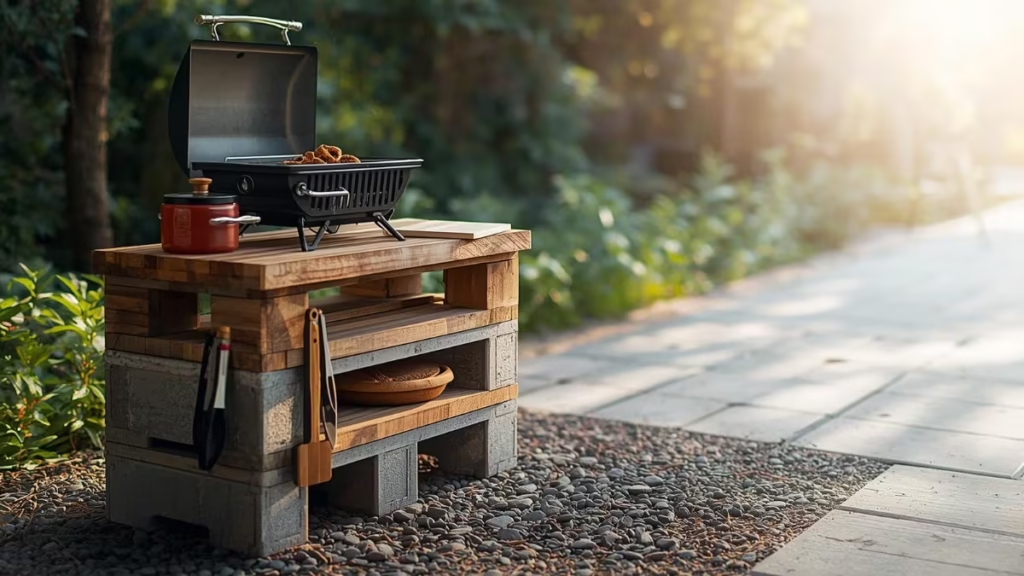
Building a functional outdoor kitchen does not require a massive renovation budget or professional contractors. Many homeowners and outdoor enthusiasts are discovering that they can create a diy grill station without spending a fortune by using readily available materials like cinder blocks, cedar planks, or reclaimed wooden pallets.
Whether you are setting up a permanent cooking area behind a tiny home or looking for a sturdy prep station for your RV site, a well-designed grill station provides the organizational flow needed for an efficient outdoor meal. By focusing on simple assembly methods and cost-effective materials, you can upgrade your outdoor cooking experience in a single afternoon.
Planning Your Budget-Friendly Outdoor Kitchen
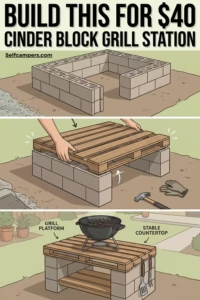
The secret to a successful build lies in preparing the site and selecting materials that can withstand the elements without breaking the bank. Before you head to the hardware store, take a moment to look at your available space. A tiny home deck requires a different approach than a sprawling gravel pad at a long-term campsite.
When I first started building these stations, I realized that height is the most overlooked factor. Most standard kitchen counters are 36 inches tall, but when you are working with a portable grill that sits on a surface, you might want to lower the height slightly to keep your arms at a comfortable cooking angle.
-
Select a level surface: Ensure your station sits on concrete, pavers, or well-compacted gravel to prevent leaning over time.
-
Prioritize airflow: If you are building against a wooden structure, leave a gap of at least six inches for heat dissipation.
-
Material choice: Cinder blocks offer unmatched stability for the cost, while heat-treated pallets provide a rustic, lightweight frame.
Step by Step Guide to a Affordable DIY Grill Station Setup
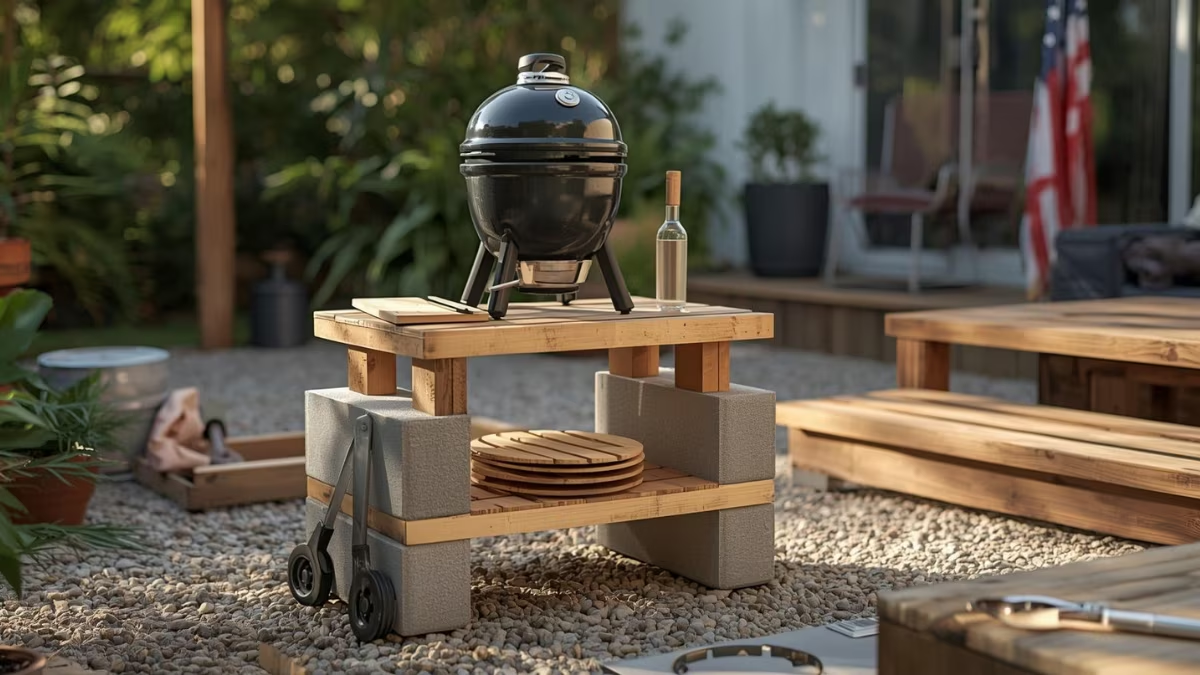
Constructing your station can be as simple as stacking blocks or as detailed as a carpentry project. For most people, the hybrid approach of a masonry base with a wooden top offers the best balance of durability and aesthetics. This method allows you to customize the layout of your diy grill station to fit the specific footprint of your patio or campsite.
Building the Foundation with Cinder Blocks
Cinder blocks are the unsung heroes of the self-sufficiency approach. They are inexpensive, fireproof, and require no mortar if you stack them correctly. I recommend a U-shaped design for the base. This provides two sturdy pillars and a recessed area in the middle where you can store your propane tank or a bag of charcoal out of direct sight.
Start by laying your first course of blocks on your level surface. If you are worried about the industrial look of grey concrete, you can easily apply a coat of outdoor masonry paint or even a thin layer of stone veneer later on. The goal here is structural integrity. By staggering the joints, much like a traditional brick wall, you create a base that will not budge even in high winds.
Creating the Countertop and Prep Area
Once your blocks are at the desired height, it is time to add the work surface. This is where you can get creative with reclaimed wood or inexpensive cedar fence pickets. Cedar is naturally rot-resistant and ages beautifully to a silver grey if left untreated.
In one of my favorite small space builds, I used two-by-fours to create a simple frame that dropped right over the cinder block pillars. This kept the wood from sliding and allowed for a slight overhang, which is perfect for mounting a bottle opener or a few sturdy hooks for your grilling tongs.
Essential Features for a Functional Cooking Zone
A grill station is more than just a table for your BBQ. It should serve as a complete command center for your outdoor meals. Consider adding these simple upgrades to improve your workflow:
-
Integrated tool storage: Use stainless steel magnetic strips or simple brass hooks to keep your spatulas and brushes within arm’s reach.
-
A dedicated prep surface: If you use wood, ensure it is sanded smooth and treated with a food-safe mineral oil.
-
Hidden trash receptacle: A simple plastic bin tucked into the base of the station keeps your cooking area clean and prevents pests from visiting your campsite.
Managing Safety and Longevity
Cooking outdoors involves heat, grease, and moisture, so safety should always be your top priority. If you are using wooden pallets, ensure they are marked with an HT stamp, which stands for heat-treated. Avoid pallets marked with MB, as these have been treated with methyl bromide, a chemical you definitely do not want near your food prep area.
For those living in an RV or a tiny home, portability might be a factor. While cinder blocks are heavy, they can be unstacked and moved in minutes. If you prefer a more mobile setup, consider adding heavy-duty locking casters to a pallet-based frame. I once saw a traveler in a converted van who had a folding grill station that doubled as a workbench for rig repairs during the day.
FAQ
What is the cheapest material for an outdoor grill station?
Standard cinder blocks and reclaimed heat-treated pallets are generally the most affordable options. You can often find pallets for free at local businesses, and cinder blocks typically cost less than two dollars each at most hardware stores.
Do I need to cement the cinder blocks together?
For a standard waist-high station, gravity and the weight of the blocks are usually enough to keep it stable. However, if you live in an area with high winds, using a bead of construction adhesive between the layers can provide extra security without the mess of traditional mortar.
How do I protect the wooden countertop from the weather?
Using a high-quality outdoor sealant or a natural oil like linseed or tung oil will help repel water. If you are using the station for food prep, ensure the finish is labeled as food safe.
The Future of Your Outdoor Living Space
Investing a small amount of time and money into a diy grill station can fundamentally change how you experience your outdoor space. It moves the heat and mess of cooking out of your small indoor kitchen and turns every meal into an event. Once you have the foundation of your outdoor kitchen settled, you might find yourself looking at other ways to improve your site.
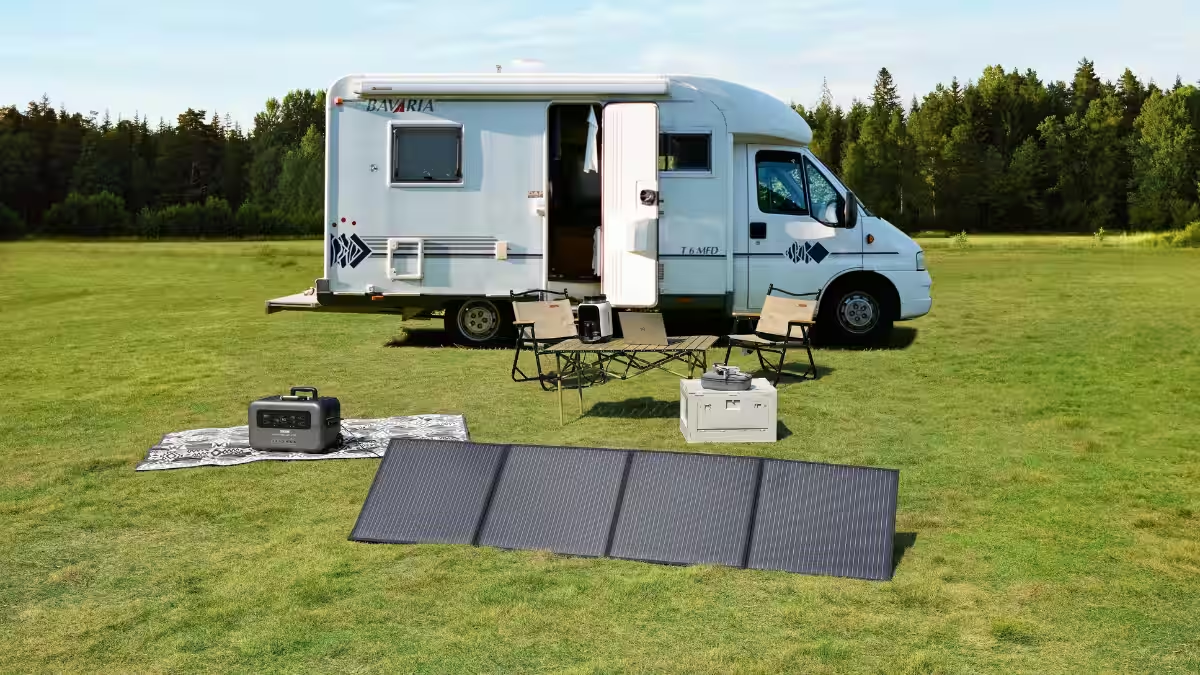
Readers exploring budget-friendly outdoor kitchens often also research solar energy systems and portable power stations to ensure their off-grid cooking setup remains fully independent. Whether you are parked in the desert or settled into a permanent tiny home community, a dedicated place to cook is a cornerstone of the self-sufficient lifestyle.