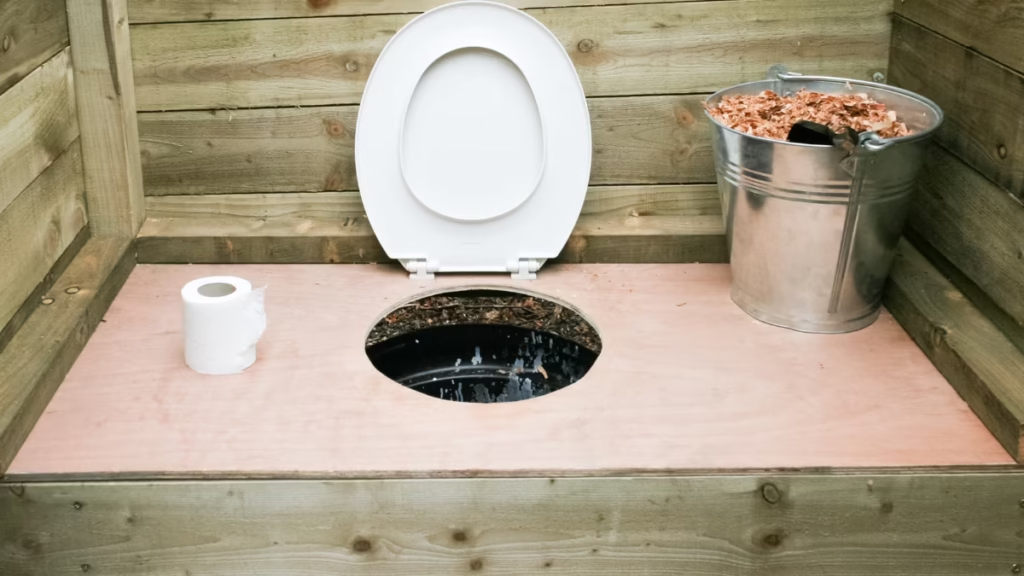
Managing waste is one of the less glamorous aspects of the outdoor lifestyle, but it is essential for maintaining a hygienic and pleasant environment. Whether you are using a portable chemical toilet, a dry composting bucket, or a built-in RV system, odors can quickly become a problem in small, enclosed spaces.
Learning how to keep a camping toilet from smelling is about more than just masking scents; it involves understanding the chemistry of waste breakdown and implementing a consistent maintenance routine. By following a few expert-led strategies, you can ensure that your mobile basecamp remains fresh and comfortable throughout your trip.
The Science of Odor Management
To effectively stop smells, you must address the source: the bacterial breakdown of waste. In most camping toilets, odors are produced when liquids and solids mix or when anaerobic bacteria begin to produce gases in a stagnant environment.
Separation of Waste
The most effective way to minimize odors is through the separation of liquids and solids. In many off-grid and tiny home setups, urine-diverting toilets are used because they keep the two waste streams apart. When urine and feces are kept separate, the solids dry out much faster and do not produce the pungent ammonia-based gases that are common in traditional port-a-potties.
Chemical and Biological Treatments
If you are using a standard cassette or portable toilet, the use of high-quality holding tank treatments is vital. Modern eco-friendly enzyme treatments work by breaking down solids and neutralizing odors biologically rather than using harsh formaldehyde-based chemicals. These treatments are not only better for the environment but also more effective at long-term odor control.
Expert Strategies on How to Keep a Camping Toilet from Smelling
Consistent habits are the foundation of a fresh-smelling campsite. A combination of the right additives, physical maintenance, and material choice will yield the best results for any self-sufficient setup.
Proper Ventilation and Airflow
Airflow is your best friend when it comes to managing scents. If your toilet is located inside a small camper or a van, ensure there is an active vent fan nearby. For dry or composting systems, a small 12-volt fan can be installed to pull air from the waste bucket and exhaust it outside. This creates negative pressure, ensuring that odors are pushed out of the living space rather than drifting back into it.
Practical Scenario: When living in a van during a humid summer, a camper might notice the toilet smells more than usual. By adding a simple solar-powered vent cap to the exterior of the van and ensuring the toilet lid is sealed tight when not in use, the camper can maintain a neutral-smelling interior even in the heat.
Choosing the Right Bulking Agents
For dry or bucket-style toilets, the density and type of cover material you use are critical. These materials absorb moisture and stop the anaerobic process that causes foul smells.
| Material | Absorption Level | Odor Control | Best Use Case |
| Coconut Coir | High | Excellent | Long-term composting and van living |
| Pine Shavings | Medium | Good (Natural Scent) | Weekend trips and bucket systems |
| Peat Moss | High | Excellent | Dedicated composting toilets |
| Hemp Hurd | High | Very Good | Sustainable off-grid cabins |
Cleaning and Emptying Routines
Even with the best additives, the frequency with which you service your system impacts how much it will smell.
-
Frequent Emptying: Do not wait until the holding tank is completely full. Emptying the tank every two to three days prevents waste from becoming anaerobic and producing stronger gases.
-
Deep Cleaning: After every trip, thoroughly rinse the holding tank with a dedicated tank cleaner. This prevents biofilm from building up on the interior walls, which is a common cause of persistent lingering smells.
-
Seal Lubrication: Ensure the rubber seals on your portable toilet are clean and lubricated. A dried-out seal can let odors escape from the holding tank into the main cabin of your tent or camper.
FAQ
Can I use regular bleach to clean my camping toilet?
No, you should avoid using bleach in portable chemical toilets. Bleach can damage the rubber seals and gaskets over time and will kill the beneficial enzymes in your tank treatment that are supposed to break down waste.
What is the best cover material for a dry camping toilet?
Coconut coir and fine pine shavings are excellent choices. They are highly absorbent and have a pleasant natural scent that helps mask odors while the waste dries.
How do I stop my toilet from smelling in extreme heat?
Heat accelerates bacterial growth. During hot weather, increase the dosage of your tank enzymes and empty the unit more frequently. Keeping the toilet in the shaded part of your camp or camper will also help.
Final Insights on Sanitary Success
Maintaining a fresh environment is a hallmark of an experienced camper. By focusing on waste separation, proper ventilation, and the right biological treatments, you can master how to keep a camping toilet from smelling regardless of the temperature or duration of your trip.
Readers who prioritize campsite hygiene often explore other ways to stay self-sufficient, such as building an off-grid greywater system or optimizing small-space ventilation for year-round comfort.