The era of rigid timed-entry reservations at some of America’s most iconic national parks is shifting once again.
Yosemite. Glacier. Arches.
All three parks have announced major changes to their reservation systems for 2026. For many travelers, this sounds like a return to spontaneity. But the reality is more nuanced.
Reservations are ending in several locations. Access, however, is not becoming unlimited. Instead, parks are moving toward real-time traffic management, parking controls, and localized restrictions designed to prevent gridlock without requiring months of advance planning.
If you are planning a national park trip in 2026, here is what actually changed and what it means for you.
The Reservation Rollback: Why Parks Are Changing Strategy
After multiple years of pilot reservation programs, the National Park Service evaluated data from high-visitation seasons. Timed entry helped spread crowds but also created unintended consequences.
Gateway communities reported reduced visitation during non-peak hours. Some parks experienced pre-dawn traffic surges as visitors attempted to enter before reservation windows. Others saw weekday capacity rarely reached despite blanket reservation requirements.
Rather than continuing rigid systems, several parks are now adopting dynamic management models that adjust in real time.
Official operational guidance can be reviewed at NPS.gov: 2026 Yosemite Traffic Management.
Yosemite National Park: Vehicle Reservations End, Real-Time Controls Begin
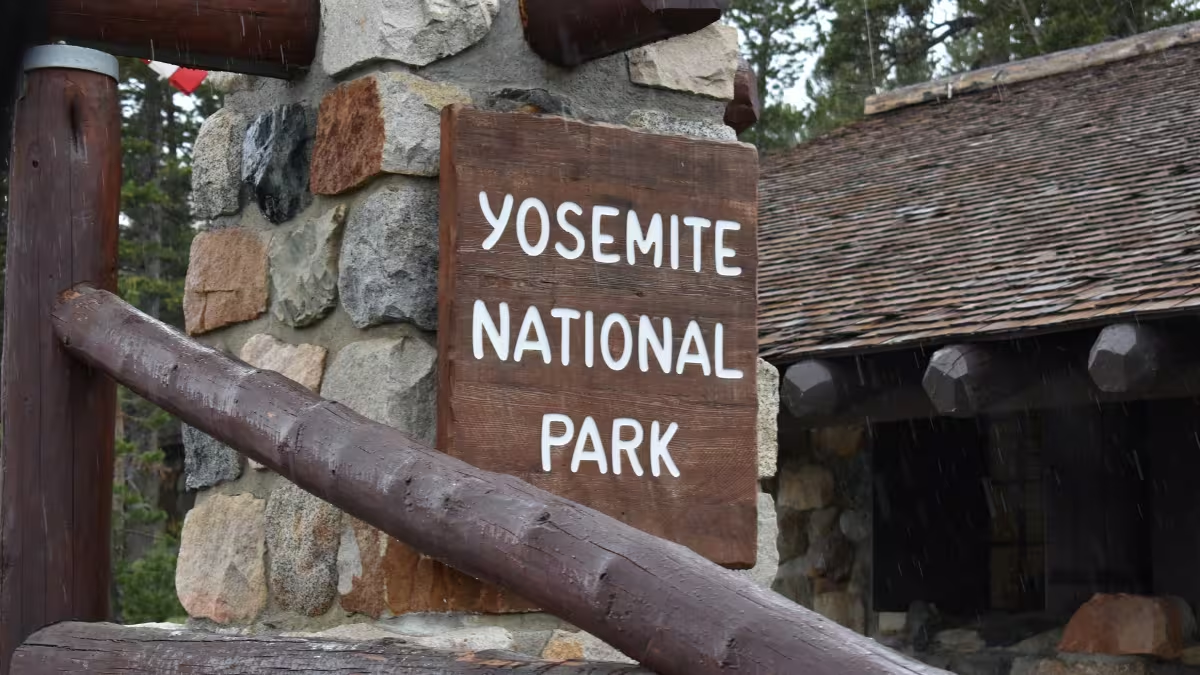
As of February 18, 2026, Yosemite National Park has officially ended its vehicle reservation system.
Instead of requiring advance bookings, the park will now rely on Active Traffic Management. Rangers will monitor congestion in Yosemite Valley and temporarily restrict access when parking and roadway capacity are reached.
In practical terms:
-
No more season-wide reservation requirement.
-
Possible temporary closures during peak congestion.
-
Visitors encouraged to check live updates before arrival.
The key shift is flexibility with oversight. Travelers regain spontaneity, but arrival timing still matters.
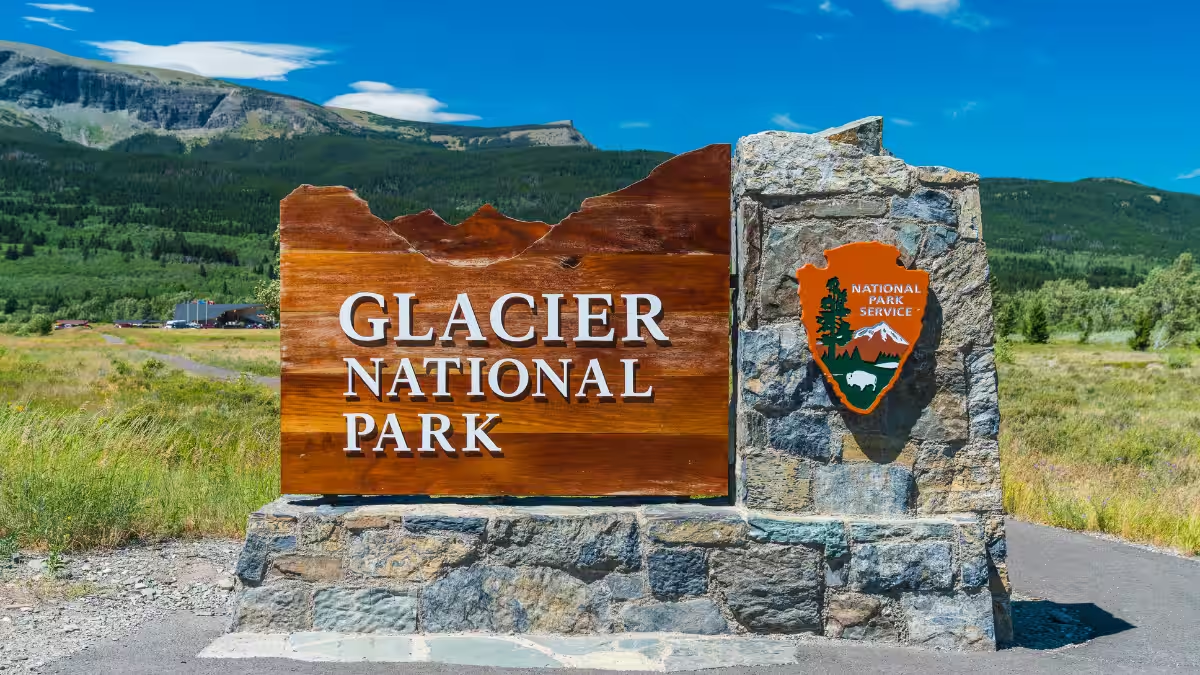
Glacier National Park: Reservations Gone, But Logan Pass Gets a 3-Hour Limit
Glacier National Park is also removing vehicle reservations for the Going-to-the-Sun Road.
However, beginning July 1, 2026, parking at Logan Pass will be limited to three hours.
This change is designed to improve turnover at one of the park’s most congested alpine trailheads.
If you plan to hike longer routes such as the Highline Trail, you will likely need to use the park shuttle system rather than private vehicle parking. Updated logistics are detailed at Glacier National Park: Logan Pass Parking Update.
This is a significant operational shift. Access is open, but parking duration is tightly controlled.
Arches National Park: Timed Entry Suspended
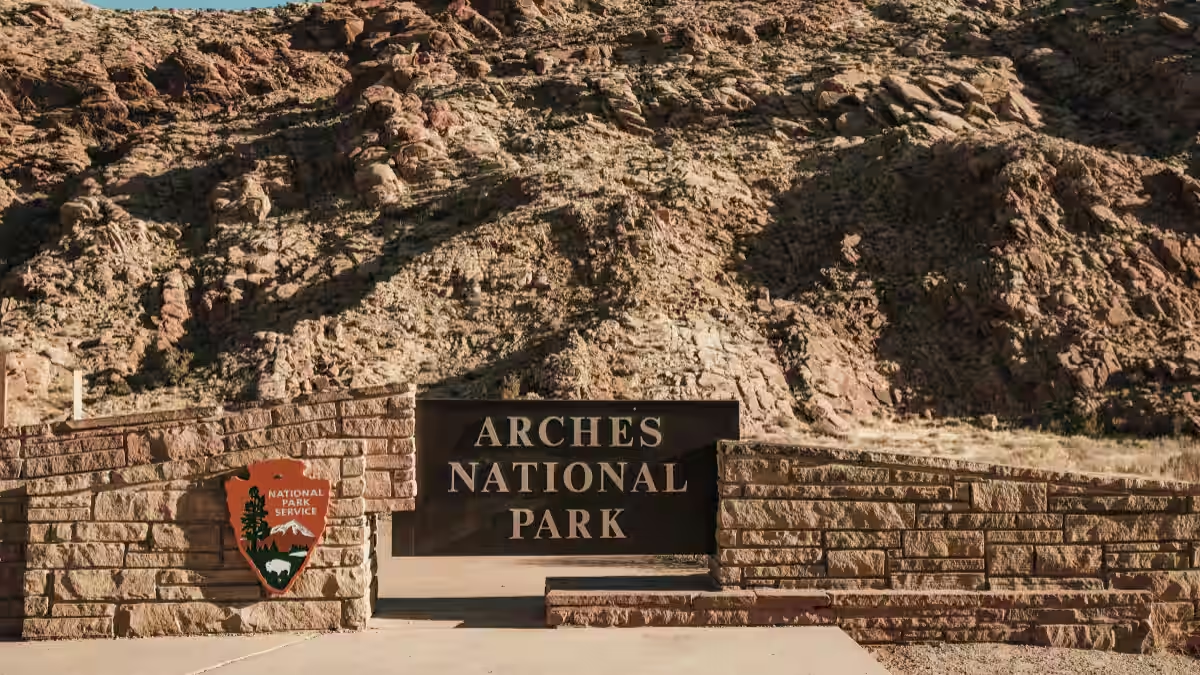
Arches National Park has suspended its timed-entry reservation program following pressure from local communities and tourism stakeholders.
Visitors can once again enter without advance reservations. However, during peak periods, the park may implement one-in, one-out closures once parking areas reach capacity.
The message is clear:
Entry is more flexible, but congestion controls remain in place.
The Controversial 2026 Pricing Structure
Alongside reservation changes, 2026 introduces a revised two-tier pricing structure at select marquee parks.
| Category | U.S. Citizens & Residents | International Visitors |
|---|---|---|
| Annual Pass | $80 | $250 |
| Standard Entry | ~$35 per vehicle | Additional surcharge per person |
| Fee-Free Days | 10 days | Not applicable |
Proof of residency is now verified at entrance stations. Acceptable documentation includes state-issued identification, U.S. passports, or permanent resident cards.
Official pass requirements and purchasing details are available through USGS Store: 2026 Resident Pass Requirements.
Where Timed Entry Still Applies
Not every park is abandoning reservations.
Rocky Mountain National Park will continue its timed-entry system for the Bear Lake Road Corridor from late May through mid-October.
Visitors hoping to access the park’s most popular alpine lakes should still prepare to book through Recreation.gov.
What These Changes Mean for Travelers
This is not a full return to pre-2020 access models.
Instead, 2026 marks a transition toward:
-
Short-duration parking limits.
-
Dynamic gate closures.
-
Residency-based pricing adjustments.
For experienced travelers, this may feel more flexible. For first-time visitors, planning remains essential.
The key difference is timing. Instead of booking months ahead, travelers must now monitor conditions closer to their visit date.
Why This Matters for Summer 2026
The removal of reservation systems at Yosemite, Glacier, and Arches will likely increase spontaneous visitation.
That could mean:
-
Earlier arrival times becoming even more important.
-
Greater competition for parking during peak weekends.
-
Increased reliance on shuttles and alternative transportation.
Visitors who check live updates and remain flexible will have the smoothest experience.
Frequently Asked Questions
Do I need a reservation for Yosemite Firefall in 2026?
No. Access to Horsetail Fall in February 2026 was allowed without reservations, provided visitors parked in designated legal areas.
Can I still use my pre-2026 annual pass?
Yes. America the Beautiful passes purchased before January 1, 2026, remain valid for their full duration under previous terms.
Are fee-free days still available?
Ten fee-free days are scheduled for 2026, though benefits primarily apply to U.S. residents.
Final Thoughts: A New Era of National Park Access
National park reservations are changing again, but the system is not disappearing. It is evolving.
Instead of rigid entry slots, parks are leaning into dynamic management that balances access with preservation.
For travelers, this means more spontaneity, but not less responsibility.
Arrive informed. Monitor official updates. Plan for flexibility.
The gates may be open, but preparation still makes the difference.