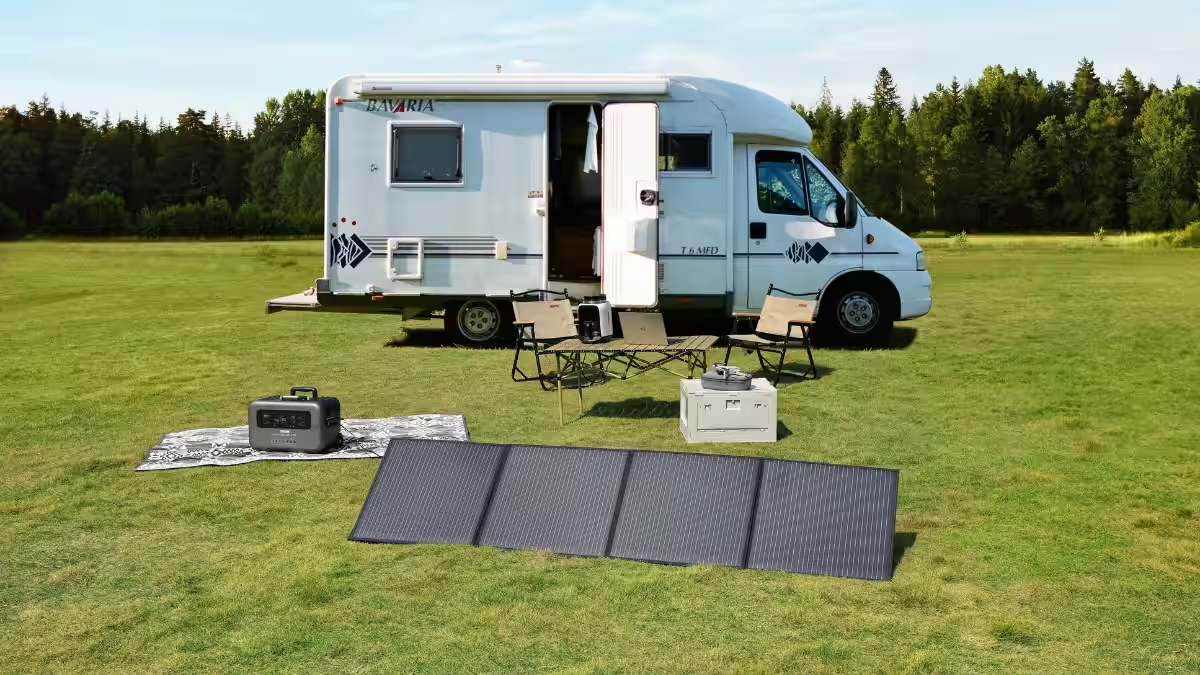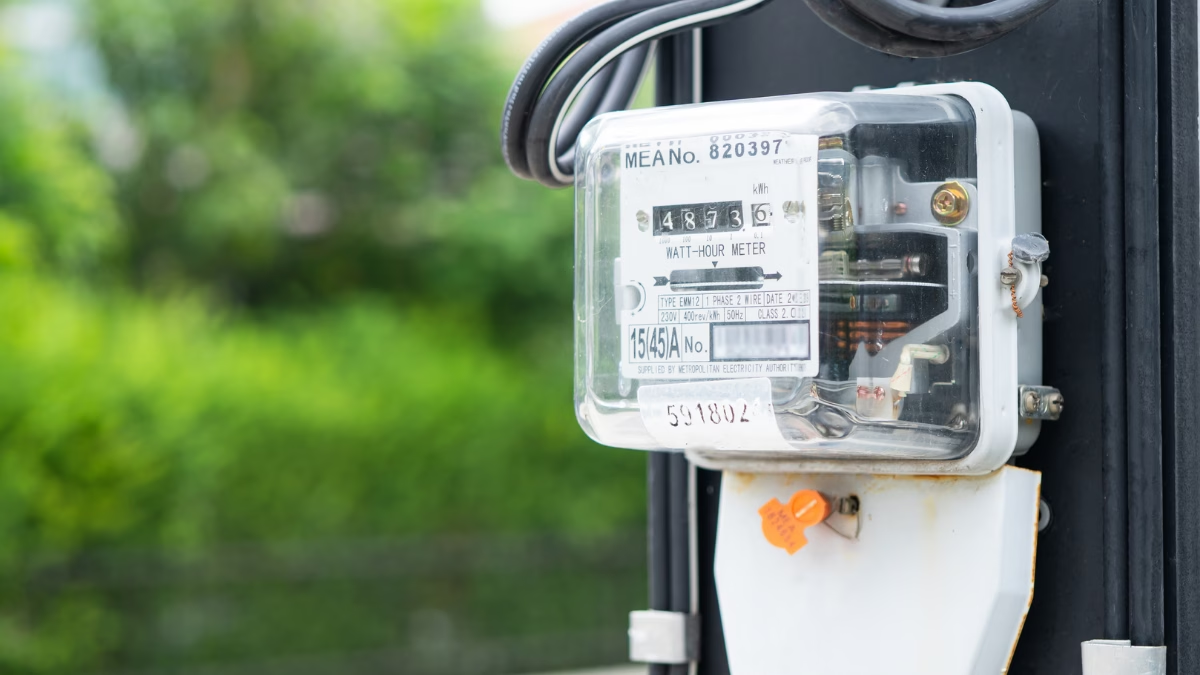
Off-grid power solutions are the heartbeat of a functional tiny home or camper, but most people don’t realize how fragile their setup is until the lights suddenly go out.
I learned this the hard way after waking up to drained batteries during a rainy stretch when solar production dropped to almost nothing. That moment changed how I think about energy independence. At Selfcampers, we believe moving away from the grid should increase your freedom, not your stress.
Whether you are building a simple weekend setup or designing a full-time residential system, understanding how power actually works is the difference between frustration and true autonomy on the road. The right system is not about buying the most gear. It is about matching energy tools to real-world habits.
My Lesson in Amps: Why I Blew a Fuse (Case Study)
When I first installed my solar setup, I was excited to be powered by the sun. I had a small 500W inverter connected to my battery bank and assumed it could handle most appliances.
Then I plugged in a 1,500W hair dryer.
Pop.
The main fuse blew instantly.
I had ignored surge loads and misunderstood inverter limits. My fuse was rated at 40A, but the appliance demanded far more power than my system could safely deliver.
What I learned:
-
Always match appliance wattage to inverter capacity.
-
High-heat devices like kettles, dryers, and induction cooktops demand serious power.
-
Surge ratings matter just as much as continuous ratings.
Now I calculate loads before plugging anything in. That single mistake saved me from future system damage.
Choosing the Right Off-Grid Power Solutions for Your Setup
There is no one-size-fits-all system.
Your power needs change dramatically depending on whether you are charging a laptop or running an induction stove. Before buying batteries or panels, you must calculate your daily watt-hour usage.
This is the foundation of any successful self-sufficient lifestyle transition.
How-To: Calculate Your Daily Energy Needs
-
List every device (phone, lights, fridge, fan, laptop).
-
Find the wattage (check power brick or label).
-
Estimate daily usage hours.
Formula:
Watts × Hours = Watt-Hours (Wh)
Example:
-
Laptop: 60W × 4 hours = 240Wh
-
LED lights: 10W × 5 hours = 50Wh
-
Fridge: 50W average × 24 hours = 1,200Wh
Total daily usage = 1,490Wh
This means you need a battery system capable of delivering at least this energy daily, plus extra capacity for cloudy days and system inefficiencies.
Lithium (LiFePO4) vs. AGM: Which Battery Wins?
| Feature | Lithium (LiFePO4) | AGM (Lead Acid) |
|---|---|---|
| Usable Capacity | 90% – 100% | About 50% usable |
| Weight | Very light | Very heavy |
| Lifespan | 3,000 – 5,000 cycles | 300 – 500 cycles |
| Charging Speed | Very fast | Slower |
| Cold Weather Performance | Needs temp protection | Better tolerance |
| Upfront Cost | $$$$ | $$ |
| 2026 Verdict | Best long-term value | Only for tight budgets |
Lithium batteries cost more upfront but deliver far greater usable energy, longer lifespan, and less weight, making them ideal for mobile setups.
5 Reliable Off-Grid Power Solutions to Consider
1. Portable Power Stations (Solar Generators)
Best for beginners and weekend travelers.
Typical cost: $300 – $2,000+
Brands like Jackery or EcoFlow combine battery, inverter, and charging controller into a single plug-and-play system.
2. Fixed Roof-Mounted Solar Panels
Ideal for permanent tiny homes or full-time RVers.
Typical cost: $800 – $5,000+
They generate passive energy continuously, reducing reliance on shore power.
3. Portable Folding Solar Blankets
A Selfcampers’ favorite for flexibility.
Park in the shade while placing panels in direct sunlight. Excellent for managing limited space and maintaining minimalist setups.
4. DC-to-DC Charging
Typical cost: $150 – $400.
Your vehicle’s alternator becomes a generator while driving. A DC-to-DC charger safely converts and regulates power to charge your house batteries.
5. Wind Micro-Turbines
Best for stationary off-grid homes in windy regions.
They produce energy at night when solar panels cannot, creating a balanced hybrid system. This resource explains the solar-plus-storage model in detail.
Common Off-Grid Power Mistakes That Drain Your System Fast
Many failures happen because of small misunderstandings:
-
Running high-wattage appliances on undersized inverters.
-
Ignoring cloudy weather planning.
-
Over-discharging AGM batteries below safe levels.
-
Using cables that are too thin, causing voltage drop.
-
Forgetting to monitor real energy consumption.
Avoiding these mistakes dramatically increases system reliability.
The Selfcampers Pre-Trip Power Checklist
Check battery levels and start near 100%.
Clean solar panels (dust can reduce output by up to 20%).
Inspect fuses for heat damage or looseness.
Monitor weather forecasts for low-solar periods.
Test inverter cooling with a small load.
Screenshot or print this checklist before every departure.
Building a Reliable Off-Grid Power System
The strongest setups combine multiple charging sources:
-
Solar for daytime generation.
-
Vehicle charging while driving.
-
Wind or backup charging for low-sun environments.
Brands like Jackery or EcoFlow combine battery, inverter, and charging controller into a single plug-and-play system. Instead of chasing maximum power, focus on energy balance. Reduce consumption where possible and expand capacity only when necessary.
This layered approach creates true energy independence.
Conclusion: Powering Your Path
Finding the right off-grid power solutions is about matching technology to lifestyle. Start small, learn your system’s limits, and expand as your needs evolve.
Independence is not just about leaving the grid. It is about building a system that supports your freedom without constant worry.