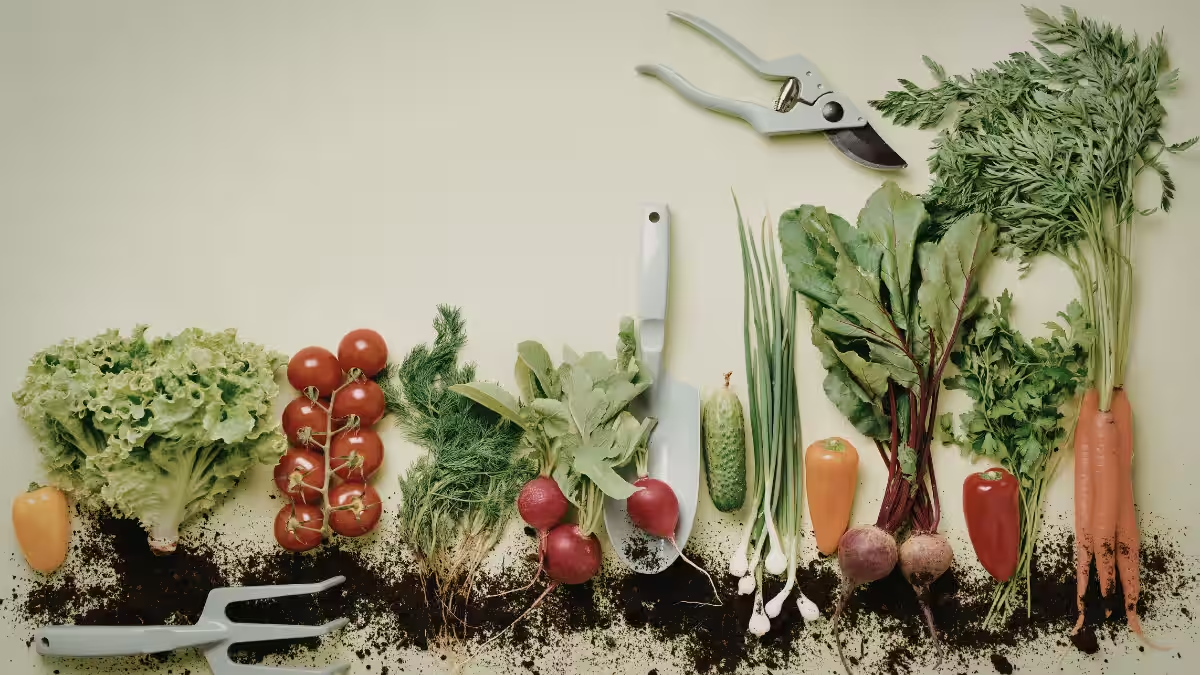
A truly sustainable food system for off-grid living is about more than just a small vegetable patch; it is a circular ecosystem where energy, water, and nutrients are constantly recycled. In 2026, the focus has shifted from survival prepping to resilient production, using solar-powered irrigation, thermal cold storage, and bio-circular waste loops to ensure a varied diet without a single trip to a supermarket.
The Hidden Calorie Trap: Why My First Garden Failed (Case Study)
When I started my first off-grid garden, I focused entirely on salad crops like lettuce and radishes. They looked great but provided almost zero caloric density. By mid-winter, I was energy-depleted because I hadn’t planned for staple crops like legumes and root vegetables. I learned that a sustainable system must be anchored by high-protein, calorie-rich pulses, like beans and chickpeas, which also naturally fertilize the soil with nitrogen, reducing the need for external inputs.
3 High-Yield Production Systems for Small Spaces
1. Passive Hydroponics (Kratky & Wick Systems)
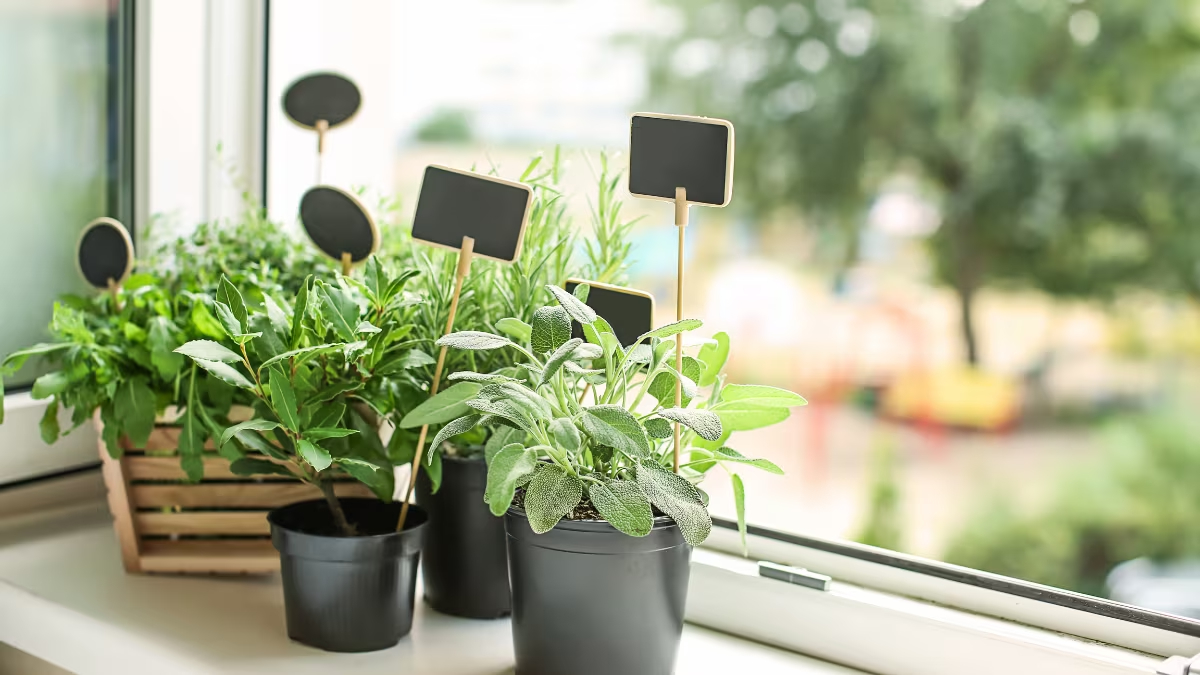
In 2026, tiny home owners are moving away from noisy, pump-driven hydroponics toward passive systems. The Kratky Method requires zero electricity; plants are suspended over a nutrient-rich water reservoir. As the plant grows and drinks, an air gap is created, providing the roots with oxygen naturally. It is ideal for leafy greens and herbs in small, off-grid kitchens.
2. Solar-Powered Smart Irrigation
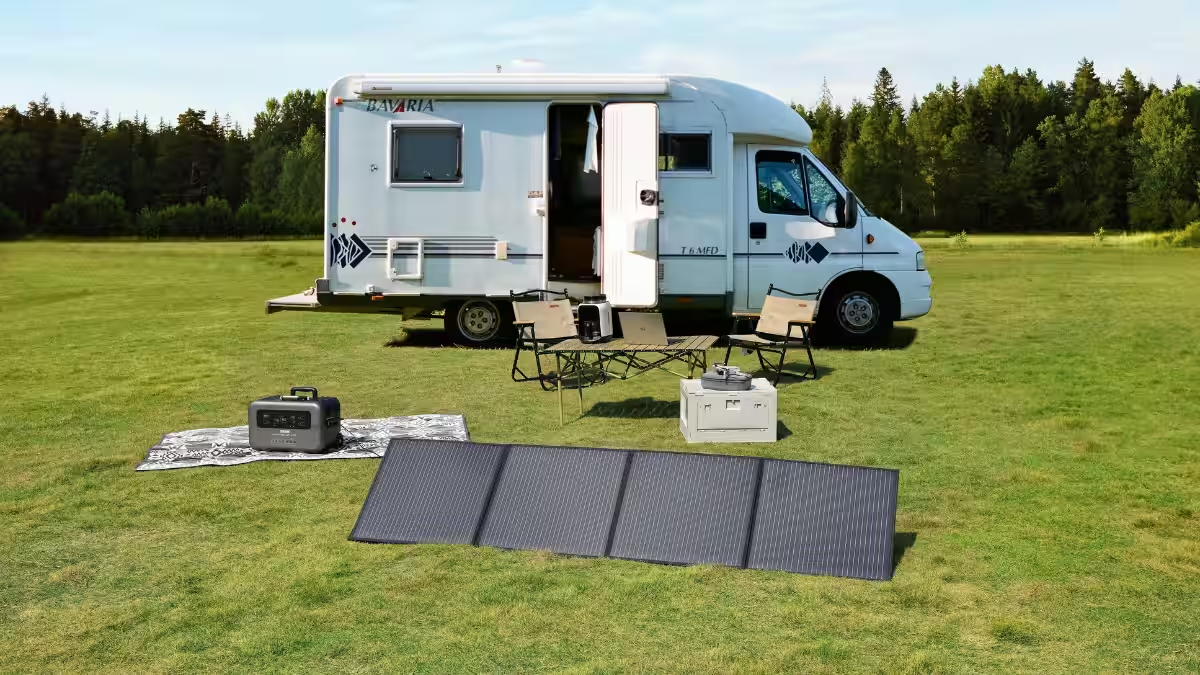
To maximize yields while minimizing labor, solar-powered pumps are now standard. This year alone, over 15 million of these units are operating globally, often integrated with IoT soil sensors that trigger watering only when necessary. This saves up to 60% of your harvested rainwater compared to manual watering.
3. Vertical A-Frame Grow Tubes
For minimalist organizing for small spaces, vertical PVC A-frames allow you to grow up to 50 plants in the footprint of four. These can be placed against a south-facing cabin wall to maximize agri-photovoltaic benefits, using the same sunlight for both plant growth and solar gain.
Global food resilience is not just a homesteading conversation. International initiatives like the One Planet Network’s Sustainable Food Systems Programme highlight the need for regenerative production, responsible consumption, and localized food security models that reduce environmental pressure while strengthening supply stability.
Off-Grid Food Preservation: 2026 Tech vs. Tradition
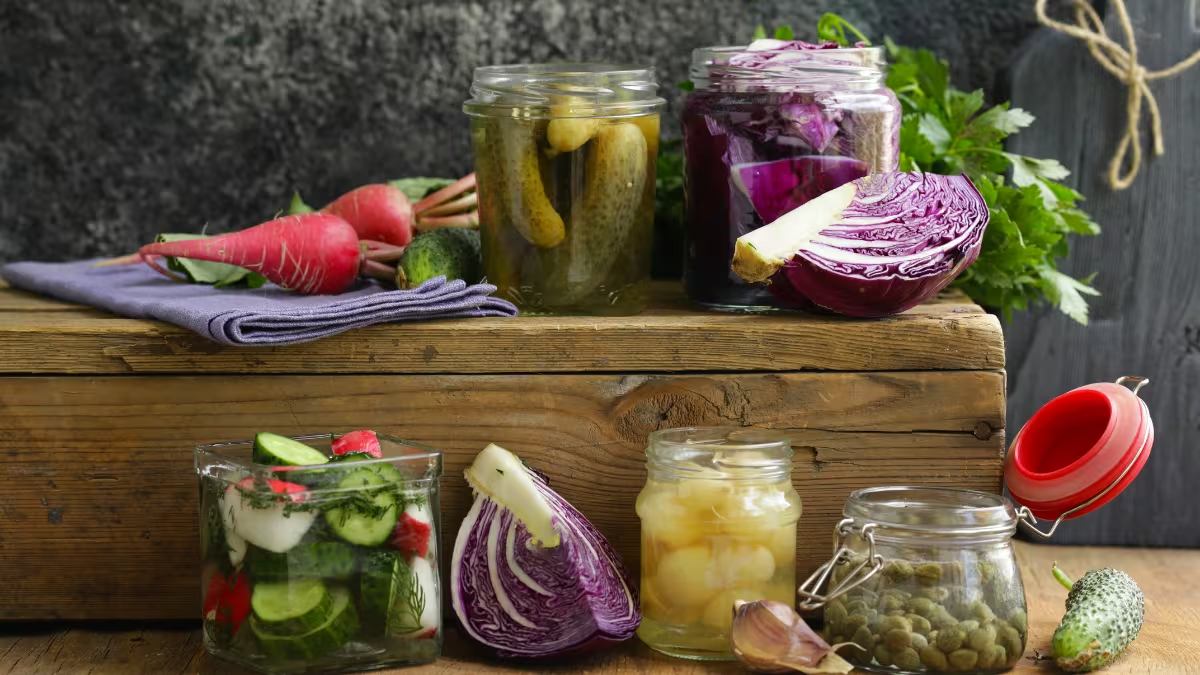
To maintain a three-month food supply without a massive battery bank, you need a multi-staged preservation strategy.
| Method | Best For | 2026 Innovation | Energy Draw |
| Solar Dehydration | Fruits & Herbs | Enhanced Vacuum Drying (EVD) | Zero (Passive) |
| Cold Storage | Root Veg & Dairy | Ice-based Cold Batteries | Very Low |
| Canning | Meats & Stews | Modern Pressure Canning | Med (Cooking fuel) |
| Freeze Drying | Premium Meals | Scalable Micro-Units | High (Use solar surplus) |
The Rise of Thermal Cold Batteries
Forget traditional chemical batteries for refrigeration. New 2026 off-grid fridges use Phase-Change Materials (PCM) or water blocks. During peak solar hours, the system freezes an internal cold battery, which then maintains safe temperatures for up to five days without any further power draw.
The Circular Resource Loop: Waste as a Resource
A sustainable food system for off-grid living must be zero-waste.
-
Biogas Digesters: Small-scale digesters take your kitchen scraps and animal waste to produce biogas for cooking and high-quality liquid biofertilizer for your garden.
-
Bokashi Composting: Unlike traditional compost, Bokashi uses effective microorganisms (EM) to ferment food waste, including meat and dairy, in an airtight bin. It’s odorless and perfect for tiny home interiors.
Redundancy Planning: Seeds, Fats, and Crop Failure
A sustainable food system is not secure if it depends on a single harvest cycle.
Seed Sovereignty
Every off-grid system should include:
-
Open-pollinated seed varieties, not hybrids
-
At least one full-season backup of staple seeds
Saving seeds from beans, squash, and grains ensures next year’s production without supplier dependence.
Fat & Protein Security
Many off-grid gardens produce vegetables but neglect dietary fat.
Long-term resilience requires at least one fat source:
-
Sunflowers for oil pressing
-
Nuts where climate allows
-
Shelf-stable oils stored in rotation
-
Eggs or dairy if animals are part of the system
Without fat, caloric intake becomes incomplete even if vegetables are abundant.
Crop Failure Buffer
Plan for 20–30% yield loss annually due to pests, drought, or disease.
Redundancy means:
-
Planting multiple varieties of the same staple
-
Staggered planting dates
-
Maintaining preserved food equal to one failed harvest cycle
Resilience is not maximum yield. It is survivability under disruption.
The 2026 Sustainable Food System Audit
-
Calorie Base: Do I have at least 50% of my garden dedicated to high-calorie staples (potatoes, squash, beans)?
-
Water Security: Is my irrigation system gravity-fed or solar-powered?
-
Thermal Mass: Do I have a cool, dark space (root cellar or insulated pantry) that stays below 10°C without power?
-
Packaging: Am I using reusable beeswax wraps or glass jars to eliminate single-use plastics?
-
Backup: Do I have a buy one, store one rotation for essentials like salt, oil, and spices?
Conclusion: The Independence Table
Building a sustainable food system for off-grid living isn’t about being 100% self-sufficient overnight; it’s about reducing your dependence on the fragile industrial food chain. By combining smart passive growing with high-tech thermal storage, you can eat well even when the grid is miles away.
Scientific modelling published in Nature Food – Agrifood Transformation Model continues to reinforce what small-scale growers have practiced for decades: diversified production systems, reduced waste, and resilient storage strategies outperform centralized, fragile supply chains during disruptions.