In a remote sanctuary, natural cleaning for off-grid homes is more than a lifestyle choice; it is a technical necessity. Traditional big brand cleaners are often loaded with anti-bacterial agents and phosphates that can kill the beneficial bacteria in your off-grid composting toilets and contaminate your greywater mulch basins. By mastering a few simple, non-toxic recipes, you can maintain a sterile living environment while ensuring your biological waste systems remain in peak performance.
The Big Four Ingredients for Off-Grid Hygiene
You don’t need a cabinet full of specialized bottles. Most off-grid cleaning challenges can be solved with four staple ingredients that have indefinite shelf lives.
-
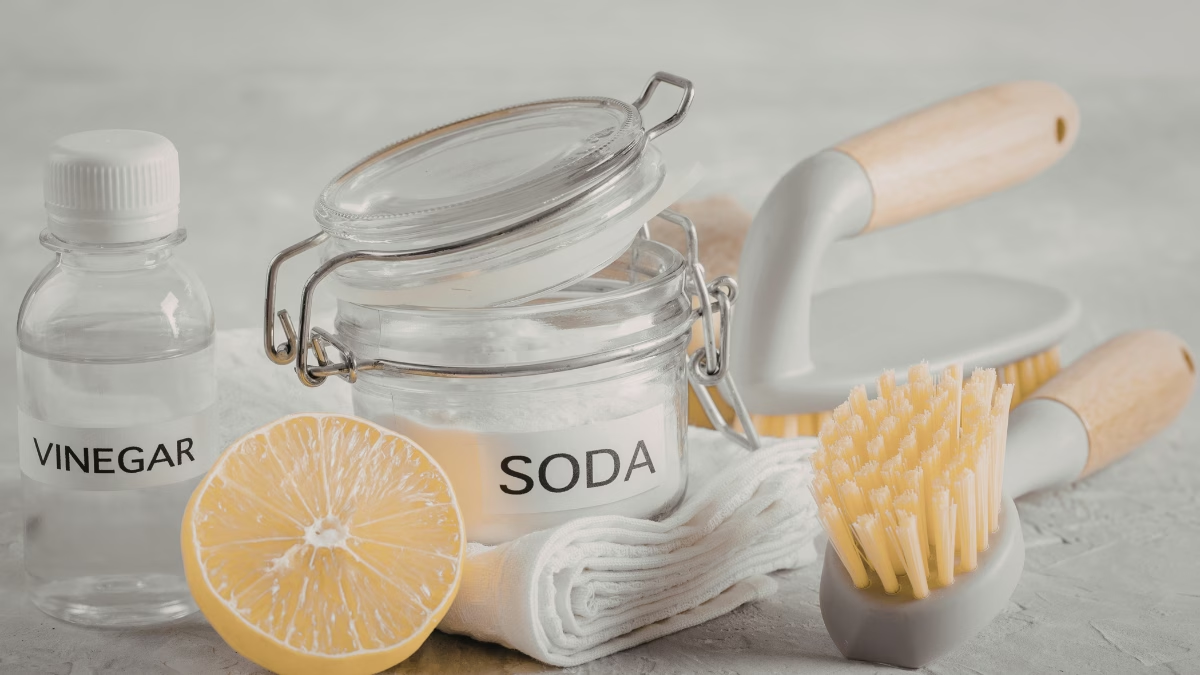
White Vinegar (Acetic Acid): A powerful disinfectant and degreaser that cuts through limescale and hard water buildup.
-
Baking Soda (Sodium Bicarbonate): A gentle abrasive and deodorizer perfect for scrubbing sinks and neutralizing acidic odors.
-
Castile Soap: A vegetable-based, highly concentrated soap that is 100% biodegradable and safe for all systems.
-
Essential Oils: Tea tree, eucalyptus, and lemon oils provide natural antimicrobial properties and a fresh scent without synthetic fragrances.
Baking soda, vinegar, and lemon-based cleaners are widely recommended because they break down safely and won’t damage soil or plant life when processed through a greywater-safe natural cleaning ingredients system.
DIY Off-Grid Cleaning Recipes
The goal of natural cleaning for off-grid homes is efficiency. Each recipe should be simple, biodegradable, and safe for septic, compost, and greywater systems.
All-Purpose Surface Spray
Best for countertops, cabinets, tables, and general surfaces.
-
1 cup white vinegar
-
1 cup water
-
10 drops lemon or tea tree essential oil
Shake before use and spray directly onto surfaces. Wipe with a reusable cloth.
Non-Toxic Scrub Paste
Perfect for sinks, stovetops, and stubborn grime.
-
½ cup baking soda
-
2 tablespoons Castile soap
-
A few drops of water to form a paste
Apply with a sponge and scrub gently. Rinse with warm water.
Natural Glass & Mirror Cleaner
Leaves glass streak-free without ammonia.
-
1 cup distilled water
-
1 tablespoon white vinegar
-
5 drops lemon essential oil
Spray lightly and wipe with a microfiber cloth.
Grease-Cutting Dish Solution
Effective for hand washing dishes in off-grid kitchens.
-
2 cups warm water
-
1 tablespoon Castile soap
-
5 drops eucalyptus oil
Use sparingly to conserve water and rinse efficiently.
Many off-grid households rely on vinegar and baking soda because they act as safer alternatives to chemical household cleaners while remaining biodegradable and safe for waste systems.
Protecting Your Microbiome (Septic & Compost)
Every time you pour a cleaner down the drain, you are feeding your waste system.
-
Avoid the Kill Zone: Avoid anything labeled disinfectant or antibacterial in the traditional sense. These products don’t distinguish between bad germs on your counter and the good bacteria processing your waste.
-
Phosphate-Free Living: High-phosphate cleaners can cause algae blooms in your greywater discharge area, potentially choking out the plants in your off-grid gardens.
-
The Enzyme Alternative: For tough drain clogs, use enzymatic cleaners instead of caustic soda. Enzymes eat organic blockages without harming your pipes or your septic system.
When building a sustainable cleaning routine, choose septic-safe natural cleaning ingredients like vinegar, baking soda, and lemon rather than bleach or chemical disinfectants.
Natural Odor Management in Small Spaces
In tiny homes, odors can become overwhelming quickly.
-
Active Ventilation: Always use your 12V fans when cooking or cleaning to move moisture out of the home.
-
The Vinegar Bowl: Placing a small bowl of white vinegar on a high shelf for 24 hours will naturally neutralize smoke or cooking odors.
-
Charcoal Bags: Activated charcoal bags are passive scent sponges that work 24/7 to pull moisture and odors from the air without using a drop of power.
Off-Grid Cleaning Efficiency: Water and Storage Strategy
Cleaning off-grid is not only about what you use, but how efficiently you use it.
Use Spray Bottles Instead of Buckets
Spray cleaning drastically reduces water consumption compared to soaking or flooding surfaces.
Microfiber Over Paper Towels
Reusable microfiber cloths trap dirt effectively and can be washed hundreds of times, reducing both waste and storage needs.
Mix Small Batches
DIY cleaners are most effective when fresh. Mix small quantities every 2–3 weeks rather than storing large bottles long term.
Designate a Cleaning Kit
Keep one compact cleaning box with vinegar concentrate, baking soda, Castile soap, and essential oils. This minimalist system replaces dozens of commercial products.
For most off-grid homes, four ingredients and a few reusable cloths are enough to maintain a hygienic, low-impact living environment year-round.
The Non-Toxic Home Audit
-
Inventory: Have I swapped out all bleach-based products for vinegar or hydrogen peroxide?
-
Concentrates: Am I buying Castile soap in bulk to reduce plastic waste and storage space?
-
Labeling: Are all my DIY spray bottles clearly labeled with their ingredients and date of mixing?
-
Greywater Check: Are the plants at my discharge point looking healthy and vibrant?
-
Storage: Are my essential oils stored in a dark, cool place to maintain their potency?
Conclusion: The Clean Loop
Adopting natural cleaning for off-grid homes is the ultimate sign of a mature off-gridder. It shows you understand that your home is part of a larger biological cycle. By using simple, Earth-friendly ingredients, you protect your health, your equipment, and the very land that sustains you.