Colorado is a cornerstone of the tiny home movement, offering some of the most diverse landscape opportunities in the country. From the high-desert plains of the Front Range to the rugged peaks of the Rockies, the state demands a specific kind of construction expertise. Finding the best tiny home builders in Colorado means identifying teams that specialize in extreme thermal performance and structural integrity designed for heavy snow and high altitudes.
How to Choose the Best Tiny Home Builders in Colorado
Selecting a builder in the Centennial State requires a focus on energy efficiency and mountain-ready engineering. Colorado features a wide range of climate zones, meaning a home built for Denver may not be suitable for the sub-arctic conditions of Leadville or Silverton. Your builder should be an expert in the latest residential building codes and Appendix Q, which provides the safety framework for features like lofts and compact stairs.
For those pursuing a mobile lifestyle, verify that the builder holds RVIA or NOAH certification. These seals are essential for securing insurance and for placing your home in the state’s numerous year-round tiny home communities, mountain resorts, or designated RV parks.
The Tiny Home Movement in Colorado
The movement in Colorado is characterized by a high degree of local innovation. The state is home to some of the nation’s first and most successful tiny home villages, such as Riverview in Durango and Whispering Aspen in Fairplay. These developments provide a legal and community-focused framework for residents who want the independence of a tiny home with the security of a permanent address.
In urban and suburban areas like Colorado Springs and Boulder, the focus has shifted toward Accessory Dwelling Units (ADUs). Local policy discussions in these cities have increasingly moved toward allowing backyard cottages as a tool for sustainable urban density. This mix of mountain retreats and urban infill makes Colorado one of the most versatile states for small-scale living.
Climate and Design: Engineering for the Rockies
Colorado’s climate presents significant challenges, including intense UV exposure, rapid temperature swings, and massive snow accumulation.
-
Superior Thermal Envelopes: Professional builders in Colorado prioritize high-R-value insulation, often utilizing closed-cell spray foam or structural insulated panels (SIPs). This ensures the home stays warm when temperatures drop well below zero while remaining cool during the high-altitude summers.
-
Snow-Load Engineering: Roofs must be designed to carry hundreds of pounds of snow in mountain regions. Top builders utilize reinforced trusses and high-pitched metal roofing to ensure that snow can be shed or held safely without compromising the structure.
-
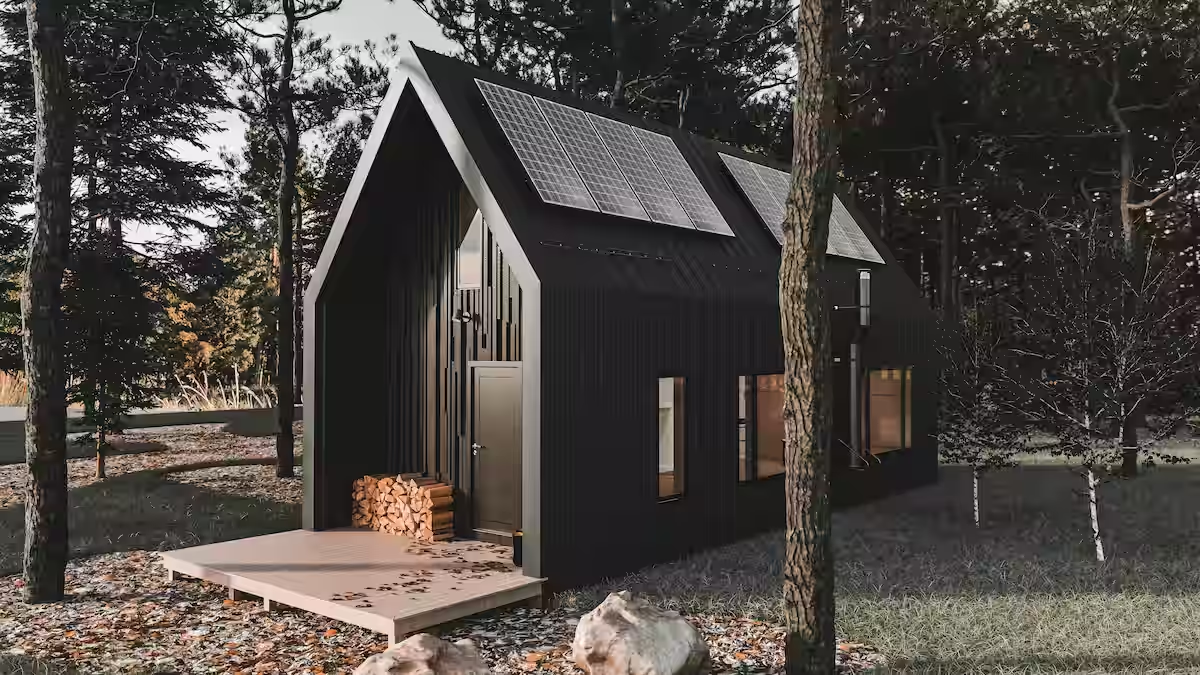
Off-Grid Capabilities: Given the state’s rugged terrain, many Colorado builders specialize in solar integration, advanced water filtration, and composting systems for those looking to live off the traditional grid.
Featured Tiny Home Builders in Colorado
Colorado has become a natural hub for the tiny home movement, driven by its strong outdoor culture, sustainability mindset, and demand for flexible living spaces. From mountain retreats to backyard ADUs in growing cities, builders across the state are creating compact homes designed for durability, energy efficiency, and year-round comfort. The tiny home builders featured below represent some of the most trusted options for high-quality tiny homes in Colorado.
1. Tumbleweed Tiny House Company
Based in Colorado Springs, Tumbleweed is one of the most recognizable names in the industry. They offer a range of RVIA-certified models that blend traditional cottage aesthetics with modern technical engineering.
-
Location: Colorado Springs, CO
-
Specialty: RVIA-certified tiny houses on wheels and park models.
-
Why They Stand Out: They are a high-volume builder with a long track record of safety and compliance. Their homes are designed for travel and high-performance living, making them a top choice for those who value mobility.
-
Best Suited For: Individuals seeking a proven, certified mobile home with a classic architectural feel.
2. MitchCraft Tiny Homes
MitchCraft is a custom-centric builder located in Fort Collins, known for creating some of the most detailed and space-efficient interiors in the industry. They specialize in bespoke designs that maximize every cubic inch of space.
-
Location: Fort Collins, CO
-
Specialty: High-end custom tiny houses on wheels.
-
Why They Stand Out: Their craftsmanship is world-class, focusing on unique woodwork and innovative storage solutions. They are experts at fitting big-house luxury into a road-legal footprint.
-
Best Suited For: Buyers who want a unique, one-of-a-kind home tailored exactly to their specific aesthetic and functional needs.
3. Phoenix Haus
While they serve a broad region, Phoenix Haus is a top choice for Colorado residents who prioritize extreme energy efficiency. They build to the rigorous Passive House standard, ensuring near-zero energy consumption.
-
Location: Grand Junction, CO
-
Specialty: Prefabricated Passive House modular homes.
-
Why They Stand Out: Their focus is on the health and comfort of the interior environment. By using precision-manufactured panels, they create airtight homes that are exceptionally quiet and comfortable in any weather.
-
Best Suited For: Those looking for a permanent modular tiny home or ADU with the highest possible level of energy performance.
Zoning and Legal Realities in Colorado
Zoning in Colorado is highly localized, but the state is a leader in creating specialized categories for small dwellings.
-
Dedicated Tiny Home Villages: Jurisdictions like Chaffee County and La Plata County have established specific zoning for tiny home communities, providing a clear path for legal full-time residency.
-
Urban ADU Allowances: Cities like Denver and Boulder allow detached ADUs in many residential zones, though they often require the home to be on a permanent foundation and connected to public utilities.
-
Appendix Q Adoption: Most Colorado building departments use Appendix Q to regulate safety standards for compact living, ensuring that lofts and egress meet essential codes.
Practical Insight: A resident in Lake County found that by opting for a park model classification, they were able to secure a year-round spot in a mountain resort that offers full utility hookups and professional snow removal.
Because zoning laws continue to evolve, always verify current regulations with your local planning department before building.
Expected Cost Ranges in Colorado
Colorado pricing reflects the high cost of quality materials and the specialized engineering required for mountain climates.
| Home Type | Typical Price Range |
| Custom DIY Shell | 40,000 to 65,000 dollars |
| Standard Turnkey Build | 95,000 to 160,000 dollars |
| Luxury / Passive House ADU | 180,000 to 300,000 dollars plus |
FAQ: Tiny Living in the Centennial State
Is it legal to live in a tiny home full-time in Colorado?
Yes, but the classification and location are vital. Foundation-based tiny homes are legal as primary residences or ADUs in many areas. Mobile tiny homes are legal but are most easily parked in dedicated tiny home villages or RV parks.
Can tiny homes handle a Colorado mountain winter?
Yes, provided they are built with high-R-value insulation and a reliable heat source. Professional Colorado builders typically use spray foam and high-performance mini-splits to ensure comfort at high altitudes.
Do I need a foundation for my tiny home in Colorado?
For the home to be considered a legal permanent dwelling unit in most cities, it must be placed on a fixed foundation and connected to approved water and wastewater systems.
Nearby Tiny Home Builder Guides
If Colorado is just one stop on your journey, explore the builders and laws in our neighboring Western and Mountain states.
You can also explore our nationwide guide to trusted tiny home builders across the United States, where we compare regional options and highlight what to look for before choosing a builder.
Exploring the Tiny Lifestyle
Building a tiny home in Colorado often reflects a desire to live closer to nature while maintaining efficiency and independence. With its strong outdoor culture and growing interest in sustainable living, the state offers a practical setting for compact homes, whether in mountain regions, rural land, or backyard ADUs.
Before starting your project, it is important to understand where a tiny home can legally be placed. Zoning rules can vary widely between counties and mountain towns, so reviewing our guide on Tiny Home Parking Laws will help you navigate local requirements and choose a location with confidence.
Energy planning is especially important in Colorado’s varied climate and higher elevations. Many homeowners focus on solar power, battery storage, and efficient heating systems to stay comfortable year-round. Our guide on Off-Grid Power for Tiny Homes walks through how to design a system that takes full advantage of Colorado’s strong sunlight while supporting a reliable, self-sufficient setup.