Washington is a premier destination for the tiny home movement, blending a culture of environmental innovation with some of the most progressive zoning laws in the country. From the misty coastal regions to the high-desert landscapes of the east, the Evergreen State offers a diverse range of settings for small-scale living. Finding the best tiny home builders in Washington means identifying experts who can engineer structures to handle the Pacific Northwest’s specific moisture challenges while meeting rigorous state building codes.
How to Choose the Best Tiny Home Builders in Washington
In Washington, certified isn’t just a buzzword; it’s a legal requirement. I’ve seen homeowners buy beautiful tiny homes from out-of-state builders only to realize they can’t legally park them because they lack the L&I Gold Insignia. When you interview builders on this list, your first question shouldn’t be about the price; it should be: Are you an L&I-approved manufacturer?
Selecting a builder in Washington requires attention to climate resilience and legal compliance. Because of the state’s significant rainfall and humidity, moisture management is the most critical technical factor. Your builder should be an expert in the Washington State Residential Code and Appendix Q, which provides the safety framework for features like lofts and compact stairs in permanent dwellings.
For those interested in a mobile lifestyle, verify that the builder holds RVIA or NOAH certification. These certifications are essential for securing insurance and for placing your home in the state’s emerging tiny home villages or year-round RV parks. Additionally, ensure your builder understands the L&I (Labor and Industries) inspection process, which is unique to Washington and required for all factory-built housing.
The Tiny Home Movement in Washington
The movement in Washington is defined by its leadership in urban density solutions. Cities like Seattle and Olympia have pioneered legislation that allows for detached Accessory Dwelling Units (ADUs) on a wide variety of residential lots. These backyard cottages are increasingly used to provide flexible housing for family members or as sustainable rental income.
In recent policy discussions, King County and other regions have continued to lower barriers for small dwellings, including reducing minimum lot size requirements and simplifying the permitting process. Beyond the urban core, Washington offers a variety of rural opportunities, from off-grid mountain retreats to coastal pocket neighborhoods. This balance of urban accessibility and rural freedom makes Washington one of the most practical states for the tiny lifestyle.
Climate and Design: Built for the Pacific Northwest
I’ve spent enough time in the rainy Northwest to know that Washington’s climate demands a building envelope that can breathe. If you don’t use a rain-screen system, you’re not building a home; you’re building a moisture trap.
-
Advanced Rain-Screen Systems: To prevent rot and mold in the damp maritime climate, professional builders in Washington utilize rain-screen technology. This creates a small gap between the siding and the house wrap, allowing moisture to drain and air to circulate.
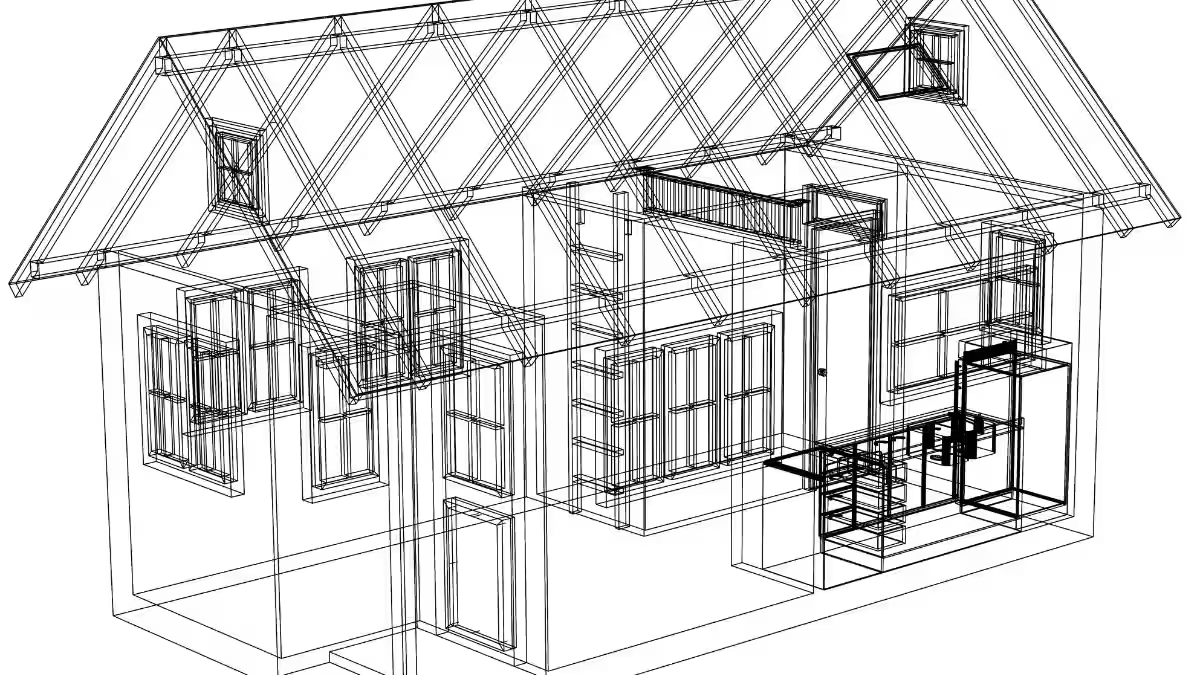
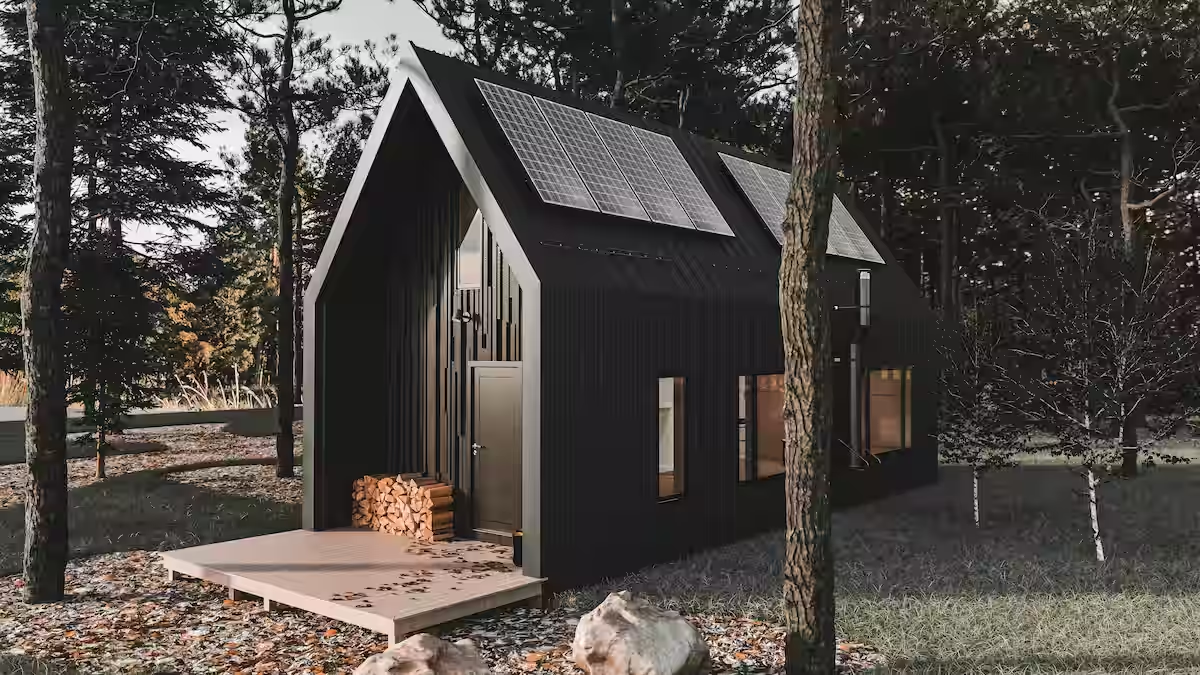
The brutal Pacific Northwest climate requires a superior building envelope. This framed tiny home shell must be built right from the start with rain-screen systems to avoid becoming a moisture trap. -
Superior Insulation and Ventilation: High-R-value insulation combined with heat recovery ventilators (HRVs) ensures the home stays warm and dry without becoming stuffy or trapping moisture indoors.
-
Modern Aesthetic: Washington builders are known for a sleek, Pacific Modern aesthetic, utilizing natural wood, metal accents, and expansive glass to maximize natural light during the overcast winter months.
| Builder Category | Best For… | Washington Regulatory Need | Average Lead Time |
| Custom ADU | Backyard Cottages | Full City Permitting (Seattle/Olympia) | 8–12 Months |
| THOW (On Wheels) | Mobile Lifestyle | RVIA / L&I Certification | 4–6 Months |
| Modular/Pod | Sustainability/Health | L&I Factory Inspection | 6–10 Months |
Featured Tiny Home Builders in Washington
| Builder | Best For | Location | Key Advantage |
| Johnston Building | Urban ADUs | Puget Sound | Permitting Experts |
| Seattle Tiny Homes | THOWs & Certs | Buckley, WA | RVIA & L&I Certified |
| GreenPod Dev. | Eco-Health | Port Townsend | Non-toxic/Modular |
Washington is a leading state for the tiny home movement, supported by progressive housing policies and a strong focus on sustainability. From urban ADUs in Seattle to off-grid builds in more rural regions, the state offers diverse opportunities for compact living. The tiny home builders featured below represent some of the most trusted companies in Washington, known for quality construction, efficient design, and homes built for year-round comfort.
1. Johnston Building Services
Based in the Puget Sound region, Johnston Building Services specializes in high-quality ADUs and Coast Studios. They are known for their precision and ability to navigate the complex permitting requirements of Western Washington.
-
Location: Puget Sound Region, WA
-
Specialty: Modern ADUs, backyard studios, and custom small homes.
-
Why They Stand Out: They offer a comprehensive design-build service that focuses on high-end finishes and modern architectural details. Their deep understanding of local city codes makes them a top choice for urban dwellers.
-
Best Suited For: Homeowners in the Seattle metro area seeking a professional, turnkey ADU that adds significant property value.
2. Seattle Tiny Homes
One of the most established names in the region, Seattle Tiny Homes offers a range of models designed for both wheels and foundations. They emphasize structural integrity and are a fully certified manufacturer.
-
Location: Buckley, WA
-
Specialty: RVIA-certified tiny houses on wheels and permanent small homes.
-
Why They Stand Out: They are known for their Personalized Standard approach, allowing buyers to customize proven floor plans. Their builds are engineered specifically for the road and the Northwest climate.
-
Best Suited For: Individuals looking for a reliable, certified builder with a wide range of customizable models.
3. GreenPod Development
Based in Port Townsend, GreenPod focuses on sustainable, healthy living environments. They utilize modular construction to create high-performance tiny homes that prioritize indoor air quality and eco-friendly materials.
-
Location: Port Townsend, WA
-
Specialty: Sustainable modular tiny homes and ADUs.
-
Why They Stand Out: Every Pod is designed with a focus on environmental health, using non-toxic materials and advanced filtration systems. Their modern, minimalist designs are ideal for the coastal Washington landscape.
-
Best Suited For: Buyers who prioritize sustainability, health-conscious building materials, and modern design.
Zoning and Legal Realities in Washington

Zoning in Washington is highly localized but generally moves toward greater flexibility for small homes.
-
Urban ADU Success: Seattle has some of the most progressive ADU rules in the nation, allowing up to two accessory units on most lots and removing many owner-occupancy requirements.
-
L&I Certification: In Washington, any tiny home built in a factory must be inspected and certified by the Department of Labor and Industries (L&I) to be legally occupied as a dwelling. The L&I Gold Seal is your golden ticket to permanent residency in Washington. If your builder doesn’t handle this, your home may be legally classified as a temporary RV instead of a permanent dwelling
-
Appendix Q Adoption: Washington was one of the first states to integrate Appendix Q into its state building code, providing a clear legal path for compact stairs and lofts.
Practical Insight: A resident in Thurston County found that by choosing a builder who handled the L&I certification process, they were able to place their tiny home on a rural lot and secure a permanent certificate of occupancy with minimal local friction.
Because zoning laws continue to evolve, always verify current regulations with your local planning department before building.
Expected Cost Ranges in Washington
Washington pricing reflects the high standards of Pacific Northwest engineering and the state’s specific inspection and certification requirements.
| Home Type | Typical Price Range |
| Custom Shell / DIY Kit | 45,000 to 75,000 dollars |
| Standard Turnkey Build | 100,000 to 170,000 dollars |
| Luxury / Custom Architectural ADU | 210,000 to 350,000 dollars plus |
FAQ: Tiny Living in the Evergreen State
Is it legal to live in a tiny home full-time in Washington?
Yes. Permanent tiny homes on foundations are legal as primary residences or ADUs in many jurisdictions. Tiny homes on wheels are legal but are most easily placed in dedicated tiny home villages, RV parks, or on residential lots where local ordinances specifically permit them.
What is Washington L&I certification?
The Department of Labor and Industries (L&I) must inspect and approve any factory-built structure used as a dwelling in Washington. This ensures the home meets state safety, electrical, and plumbing standards.
Can I build a tiny home in my backyard in Seattle?
Yes. Seattle has very supportive laws for both detached and attached ADUs, allowing homeowners to build units up to 1,000 square feet on most residential lots.
Nearby Tiny Home Builder Guides
If the Evergreen State is just one stop on your journey, explore the builders and laws in our neighboring Western states.
You can also explore our nationwide guide to trusted tiny home builders across the United States, where we compare regional options and highlight what to consider before choosing a builder.
Exploring the Tiny Lifestyle
Choosing the tiny lifestyle in Washington often comes down to balancing simplicity with long-term sustainability. With a mix of progressive housing policies and a strong connection to the outdoors, the state offers a practical environment for compact living, whether in urban backyards or more remote settings.
Before starting your build, it is important to understand where a tiny home can legally be placed. Regulations can vary across cities and counties, so reviewing our guide on Tiny Home Parking Laws will help you navigate local requirements and plan with confidence.
Space efficiency and budgeting also play a key role. A well-designed tiny home can feel surprisingly spacious, but costs can still vary depending on materials, layout, and site preparation. Our Tiny Home Cost Breakdown outlines the key expenses, helping you make informed decisions and get the most value from your investment in the Pacific Northwest.