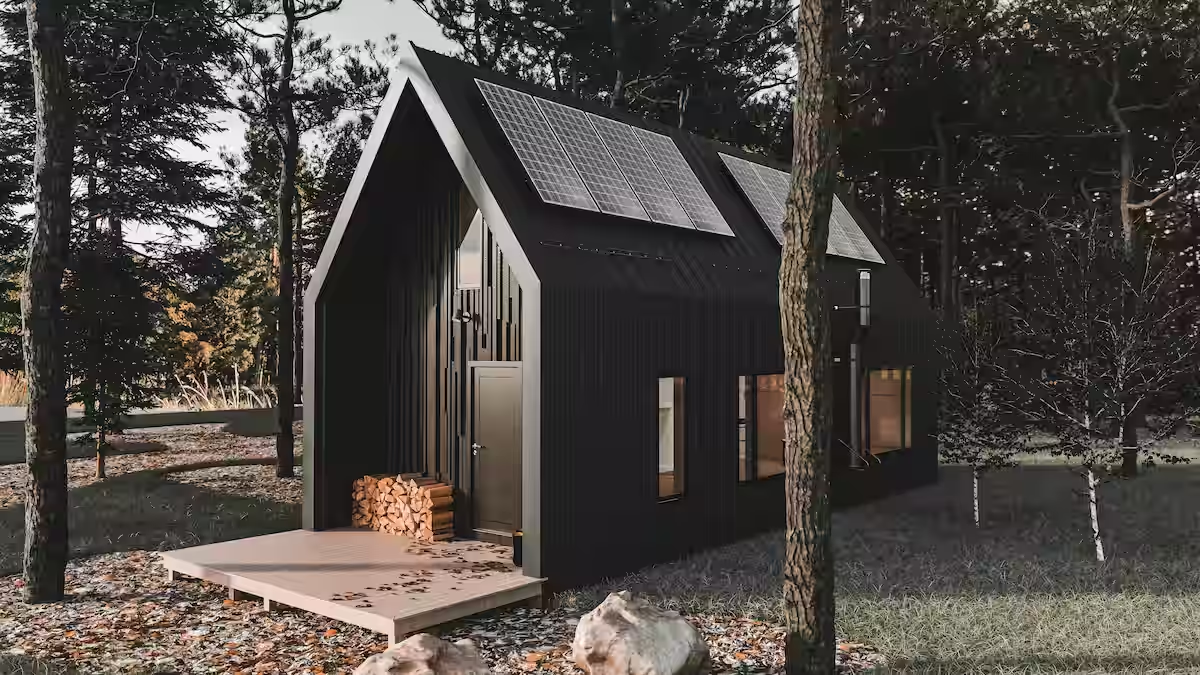
Finding the best tiny home builders in Florida is the first step toward building a small-space lifestyle designed for the state’s coastal climate and tropical conditions, but the Sunshine State’s unique environment demands more than just a beautiful aesthetic. From the salt air of the Gulf Coast to the intense humidity of the Everglades, a tiny house in Florida must be engineered to withstand tropical climates.
Florida has become a premier destination for the tiny house movement due to its year-round warm weather and a recent surge in supportive legislation. Whether you are looking for a permanent accessory dwelling unit (ADU) in Orlando or a mobile retreat for the Florida Keys, the local market offers a diverse range of specialized manufacturers.
How to Choose the Best Tiny Home Builders in Florida
Selecting a builder in Florida involves more than just picking a floor plan. Because of the state’s unique geography and climate, your criteria should prioritize moisture control and wind resistance. First, ensure the builder adheres to high wind-zone standards; even for homes on wheels, structural integrity and tie-down points are critical for safety during storm seasons.
Second, prioritize builders who use closed-cell spray foam insulation or advanced vapor barriers to manage the relentless humidity and keep cooling costs low. Finally, verify their knowledge of local zoning. Florida is a patchwork of regulations, and a quality local builder will be familiar with which counties allow tiny houses on wheels versus those that require a permanent foundation.
The Tiny Home Movement in Florida
Florida’s tiny home movement is driven by a growing demand for flexible housing and a regulatory climate that is gradually becoming more supportive of small-space living. While the state has long been known for manufactured housing communities, interest in custom tiny homes and accessory dwelling units has expanded quickly in cities such as Sarasota and Rockledge, where housing affordability and urban density are ongoing challenges.
A major step forward came with the passage of Senate Bill 948, which aims to reduce restrictive local land-use barriers. The legislation encourages municipalities to allow more flexible residential structures, including backyard cottages and granny flats, making it easier for homeowners to add compact dwellings to existing properties.
Florida has also adopted Appendix Q into its residential building code, providing clear construction standards for homes under 400 square feet. With clearer regulations and growing public interest, the state is emerging as one of the most tiny-home-friendly regions in the country, blending innovative housing solutions with the indoor-outdoor lifestyle that defines life in the Sunshine State.
Climate and Design in Florida: Heat Gain and Storm Safety
Living in a small space in a sub-tropical climate presents specific daily challenges. Managing heat gain is the most important factor for comfort.
-
Hurricane Resilience: Tiny homes built to the proper standards use heavy-duty steel anchors and hurricane straps. Professional Florida builders ensure that the structural envelope meets the High Velocity Hurricane Zone (HVHZ) requirements where applicable.
-
Corrosion Resistance: If you plan to live near the coast, salt-resistant roofing materials and stainless steel exterior hardware are essential to prevent premature rusting and degradation.
-
Thermal Reflection: Using light-colored roofing materials and radiant barriers helps reflect the intense sun, significantly reducing the thermal load on the interior and preventing your home from becoming an oven during the summer months.
Practical Scenario: Imagine a late-August afternoon in Miami. Without a high-efficiency mini-split and closed-cell spray foam insulation, a tiny home can become an oven in hours. Local owners often choose metal roofing with a solar-reflective coating to bounce heat away before it ever hits the ceiling.
Featured Tiny Home Builders in Florida
These manufacturers are leading the way in Florida-compliant designs, offering everything from luxury foundations to off-grid mobile units.
1. Movable Roots (Melbourne)
Based in Melbourne, Movable Roots is widely recognized for their custom designs and high-end finishes. They specialize in both tiny homes on wheels and park models, focusing on clever engineering that maximizes every inch of a floor plan.
-
-
Location: Melbourne, FL
-
Specialty: Custom luxury THOWs and park models.
-
Why They Stand Out: They are known for high-quality custom cabinetry and incorporating large windows to invite natural light, which is a hallmark of Florida living.
-
Best Suited For: Individuals who want a fully customized, residential-feeling home with top-tier craftsmanship.
-
2. Cornerstone Tiny Homes (Longwood)
Located in Longwood, Cornerstone Tiny Homes is a licensed general contractor. This provides a significant advantage for those looking to build a tiny home on a permanent foundation.
-
Location: Longwood, FL
-
Specialty: Foundation-built tiny homes and ADUs.
-
Why They Stand Out: Their status as a general contractor allows them to manage the entire process, from permitting to final utility hookups, ensuring your project remains compliant with state regulations.
-
Best Suited For: Homeowners looking for a permanent backyard cottage or primary residence on a fixed foundation.
3. Pocket Tiny Homes
For those seeking a minimalist and modern aesthetic, Pocket Tiny Homes provides sleek, functional designs that emphasize build efficiency.
-
Location: Serving the Central Florida region.
-
Specialty: Modern, minimalist tiny homes on wheels.
-
Why They Stand Out: Their structures are specifically designed for the heat, often featuring excellent ventilation systems to keep the interior fresh without overworking the air conditioning.
-
Best Suited For: Minimalist dwellers who want an easy-to-tow, highly efficient mobile sanctuary.
Zoning and Legal Realities in Florida
Florida’s legal landscape varies significantly between counties, making local research a necessity.
-
Progressive Counties: Areas like Rockledge and Sarasota have been national leaders in allowing tiny homes, often creating specific zoning categories to accommodate them.
-
Appendix Q Compliance: Tiny homes on foundations must follow the Florida Building Code, which includes Appendix Q standards for loft access and ceiling heights.
-
THOW Classification: Tiny homes on wheels are generally treated as RVs. To live in one full-time, you usually need to be in a designated RV park or a tiny home community that has secured specific land-use permits.
Nearby Tiny Home Builder Guides
If you are exploring options beyond Florida, it can be helpful to compare how nearby states approach tiny home building, zoning, and climate considerations, especially in warm and coastal environments.
Expected Costs in Florida
While Florida is generally more affordable than the West Coast, the demand for hurricane-resistant materials adds a premium to the building price.
| Type of Build | Average Cost Range (2026) | Best Suited For |
| Prefab Shell/Kit | $15,000 – $45,000 | DIYers on a budget |
| Turnkey THOW | $65,000 – $110,000 | Mobile living/RV Parks |
| Foundation Home | $90,000 – $160,000+ | Permanent ADUs/Equity building |
If you’re comparing builders nationwide, see our complete guide to tiny home builders in the USA.
Frequently Asked Questions
Can I legally live in a tiny house on wheels in Florida?
THOWs are legally classified as RVs. Full-time living is generally allowed in RV-zoned areas, mobile home parks, or specific tiny-friendly counties like Brevard or Hamilton.
What is the minimum square footage for a Florida tiny home?
Under Appendix Q, a tiny home is defined as a dwelling of 400 square feet or less. However, the local municipality may have its own minimums, often starting around 150-200 square feet.
Planning Your Move
Before choosing land in Florida, take time to understand the financial and regulatory factors that will shape your setup. Placement rules can vary between counties, especially in coastal zones and flood-prone areas, so reviewing Tiny Home Parking Laws will help you identify locations that support long-term living without complications.
It is equally important to plan for the full cost of installation. Beyond the build itself, expenses such as delivery, site preparation, utility hookups, and elevation requirements can significantly impact your budget. Our Tiny Home Cost Breakdown outlines these factors clearly, helping you prepare for Florida-specific considerations and move forward with confidence.