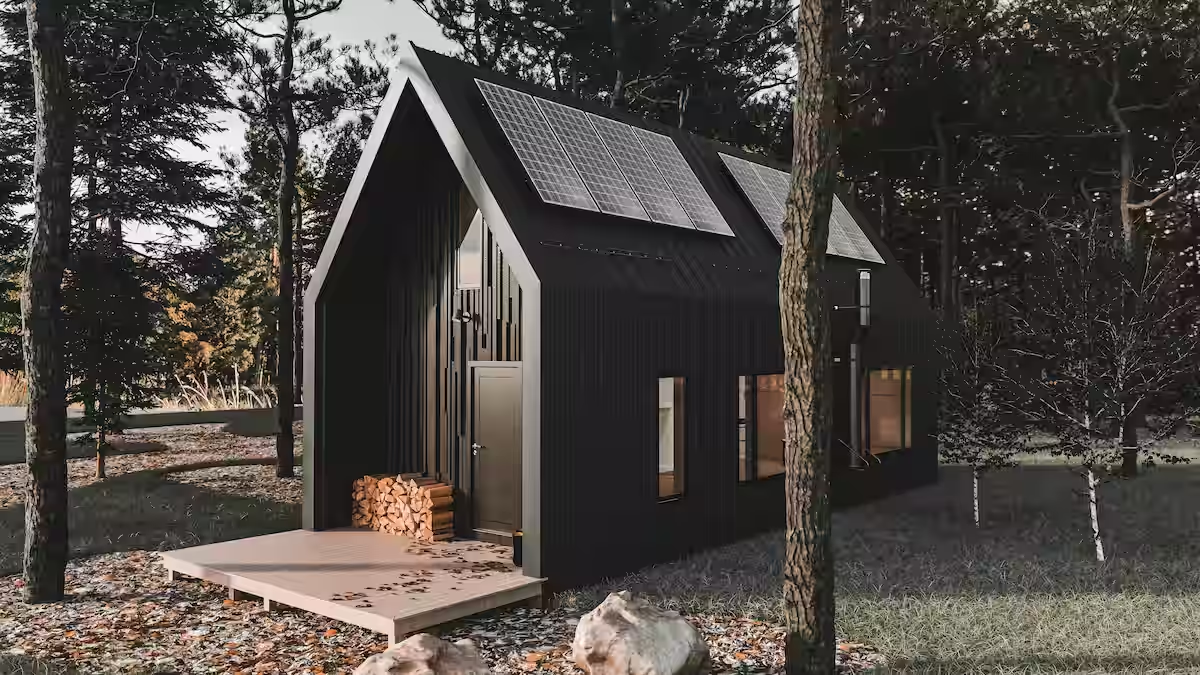
Minnesota is a central pillar of the tiny home movement in the Upper Midwest. Known for its progressive urban planning and a culture that values high-quality, durable construction, the Land of 10,000 Lakes offers an ideal environment for those looking to simplify their lifestyle. Finding the best tiny home builders in Minnesota involves identifying experts who can master the technical challenges of a sub-arctic climate while navigating a legal landscape that is increasingly welcoming to Accessory Dwelling Units (ADUs).
How to Choose the Best Tiny Home Builders in Minnesota
When selecting a builder in Minnesota, your most critical factor is winterization. Because the state faces some of the lowest temperatures in the continental United States, your builder must be an expert in the Minnesota Residential Code and high-performance thermal envelopes. Look for builders who utilize advanced spray foam insulation and air-exchange systems to prevent moisture buildup in extreme cold.
It is also important to ensure your builder is familiar with Appendix Q, which provides the safety framework for stairs and lofts in permanent tiny dwellings. If you are interested in a mobile unit, verify that the builder holds RVIA or NOAH certification, as these seals are often required for legal placement in Minnesota’s seasonal resorts and growing number of tiny home communities.
The Tiny Home Movement in Minnesota
A shift toward urban density and innovative housing solutions defines the movement in Minnesota. The state has seen a surge in interest in ADUs, particularly in cities like Minneapolis and St. Paul, which have updated their zoning ordinances to allow for backyard cottages. These tiny houses on foundations are helping to address housing shortages while providing flexible living options for students, aging family members, and renters.
Rural Minnesota is also embracing the movement, with several counties relaxing minimum square footage requirements to allow for primary residences that are significantly smaller than traditional homes. This blend of urban ADU progress and rural flexibility makes Minnesota a top choice for small-scale living in the Midwest.
Climate and Design: Engineering for Extreme Cold
Minnesota’s climate demands a level of engineering that goes beyond standard construction practices.
-
High-R-Value Thermal Envelopes: To combat temperatures that frequently drop below zero, the best Minnesota builders prioritize airtight shells and superior insulation. This prevents heat from escaping and protects the plumbing systems from freezing.
-
Snow Load Integrity: Minnesota roofs must be designed to carry heavy snow loads. Builders utilize reinforced trusses and steep-pitched metal roofing to ensure that snow can be shed or held safely without compromising the structure.
-
Ventilation and Air Quality: In a small, airtight home, managing air quality is vital. Professional builders in the state often include Energy Recovery Ventilators (ERVs) to provide fresh air while retaining the home’s internal heat.
Featured Tiny Home Builders in Minnesota
Minnesota’s blend of practical craftsmanship and outdoor-focused living makes it a strong fit for the tiny home movement. Across the state, builders are creating compact homes designed to withstand cold winters while maximizing comfort and efficiency in small spaces. The tiny home builders featured below represent some of the most trusted companies crafting durable, thoughtfully designed tiny homes in Minnesota.
1. Jim’s Tiny Houses
Based in the Twin Cities region, Jim’s Tiny Houses specializes in custom-built tiny homes on wheels that prioritize livability and technical excellence. They are known for their high standards of insulation and their focus on year-round comfort.
-
Location: Twin Cities Region, MN
-
Specialty: Custom luxury tiny houses on wheels.
-
Why They Stand Out: They place a massive emphasis on four-season capability, using technical materials and building techniques specifically designed to handle the Minnesota winter.
-
Best Suited For: Buyers seeking a high-quality, mobile home that can truly be used as a primary residence regardless of the temperature.
2. YardHomes MN
YardHomes MN is a leader in the Accessory Dwelling Unit market in Minnesota. They focus on modular, foundation-based units that are designed to fit seamlessly into suburban and urban backyards.
-
Location: St. Paul, MN
-
Specialty: Prefabricated and custom modular ADUs.
-
Why They Stand Out: They handle the entire process from permitting and site prep to final delivery. Their homes are built in a controlled environment, ensuring high quality and a faster installation timeline.
-
Best Suited For: Homeowners in Minneapolis or St. Paul looking for a legal, permanent secondary dwelling for family or rental income.
3. Minnebox
Minnebox takes a unique approach by repurposing shipping containers into high-end, durable tiny homes. Their builds are known for their industrial-modern aesthetic and extreme structural strength.
-
Location: Minnesota
-
Specialty: Container-based tiny homes and ADUs.
-
Why They Stand Out: Container homes are naturally resilient to the elements. Minnebox specializes in the complex insulation and finishing required to turn a steel box into a cozy, energy-efficient Minnesota home.
-
Best Suited For: Individuals looking for a unique, modern aesthetic and an exceptionally durable structure.
Zoning and Legal Realities in Minnesota
Zoning in Minnesota varies by municipality, though the state is moving toward more inclusive standards.
-
Minneapolis ADU Laws: Minneapolis is a national leader in ADU policy, allowing detached backyard homes on most residential lots, provided they meet certain size and setback requirements.
-
Appendix Q Compliance: Minnesota building officials use Appendix Q to ensure that small dwellings meet essential safety codes for lofts and egress, making it easier to permit tiny homes on foundations.
-
Utility Connections: For permanent status, your tiny home must be connected to a municipal sewer or an approved septic system. In rural areas, the health department must approve the septic design to ensure it matches the home’s occupancy.
Practical Insight: A homeowner in Duluth found that by opting for a certified modular tiny home, they were able to secure a traditional construction loan, as the home was treated as a standard residential structure once attached to a foundation.
Expected Cost Ranges in Minnesota
Minnesota’s pricing reflects the need for high-performance materials and the state’s high standards for construction labor.
| Home Type | Typical Price Range |
| Custom DIY Shell | 30,000 to 55,000 dollars |
| Standard Turnkey Build | 85,000 to 140,000 dollars |
| Luxury / Custom Modular ADU | 165,000 to 275,000 dollars plus |
FAQ: Tiny Living in the North Star State
Is it legal to live in a tiny home full-time in Minnesota?
Yes, but it depends on the local zoning. Tiny homes on foundations are legal in many cities as ADUs or primary residences. Tiny homes on wheels are generally restricted to RV parks or campgrounds unless a specific city has a seasonal parking ordinance.
Can a tiny home handle a Minnesota winter?
Yes, provided it is built by a professional who understands sub-zero engineering. High-R-value spray foam and a reliable, low-ambient heat source are essential.
Where can I find tiny home communities in Minnesota?
Several projects are in development across the state, and existing mobile home parks are increasingly welcoming tiny homes on wheels that meet RVIA standards.
Nearby Tiny Home Builder Guides
If Minnesota isn’t your only stop, explore the builders and laws in our neighboring Midwest and Great Lakes states.
-
Best Tiny Home Builders in South Dakota
-
Best Tiny Home Builders in North Dakota
You can also explore our nationwide guide to the best tiny home builders across the United States, where we feature trusted companies and regional insights to help you find the right builder for your project.
Exploring the Tiny Lifestyle
Choosing to build a tiny home in Minnesota can be a practical step toward a more efficient and intentional way of living. With the state’s strong culture of craftsmanship and resilience, many homeowners are discovering that compact homes offer both financial flexibility and long-term sustainability. Before beginning your project, it is important to understand where tiny homes can legally be placed, so reviewing our guide on Tiny Home Parking Laws can help you navigate local zoning requirements and avoid common obstacles.
Budget planning is another key part of the journey. While tiny homes are generally more affordable than traditional housing, costs can vary depending on materials, design complexity, and utility connections. If you want a clearer picture of how to allocate your resources, our Tiny Home Cost Breakdown explains the major expenses involved and how to plan your investment wisely.