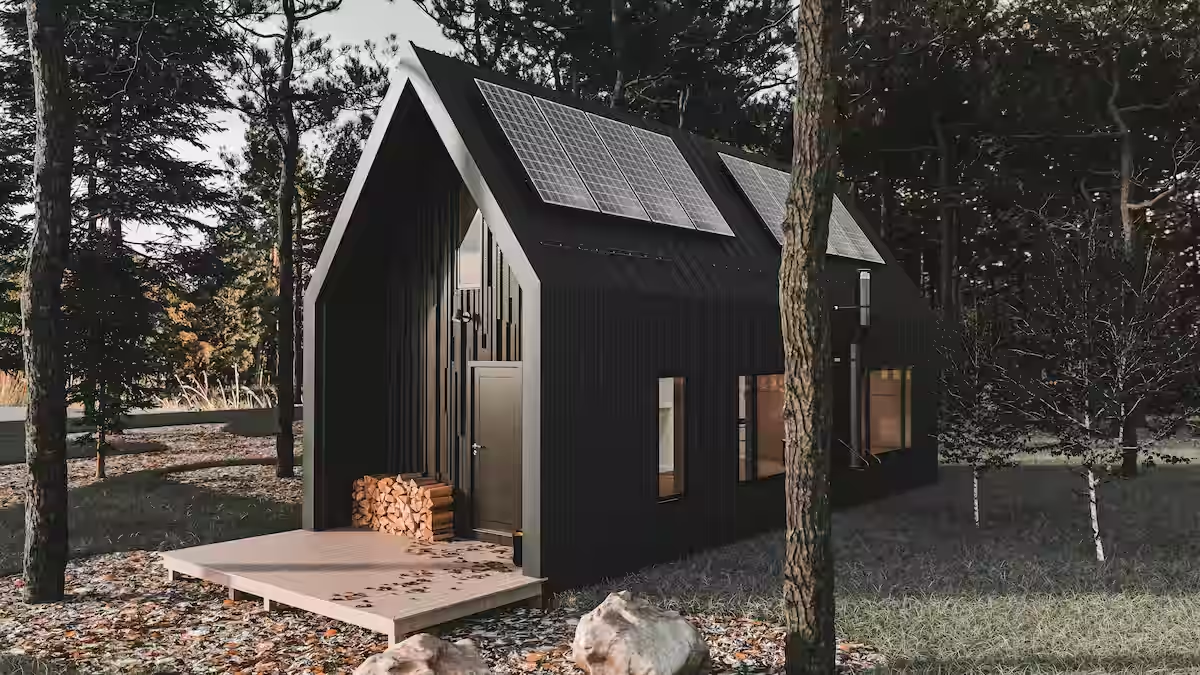
Vermont is a natural sanctuary for the tiny home lifestyle, defined by its rolling pastures, dense forests, and a long-standing commitment to environmental sustainability. The Green Mountain State values architectural character and energy efficiency, making it an ideal location for high-performance small dwellings. Finding the best tiny home builders in Vermont requires a focus on local expertise, particularly in navigating the state’s decentralized zoning laws and the specific demands of a high-altitude, four-season climate.
How to Choose the Best Tiny Home Builders in Vermont
When selecting a builder in Vermont, your primary filter should be climate-specific engineering. Vermont winters are legendary for their length and intensity, so prioritize builders who utilize closed-cell spray foam insulation and triple-pane windows to maintain thermal comfort. One of the most important updates is the expansion of statewide Accessory Dwelling Unit (ADU) protections under bill S. 267, which continues to streamline approvals for energy-efficient backyard homes.
Your builder should be intimately familiar with the Vermont Building Code (VBC) and Appendix Q, as these standards govern permanent foundations and safety features like loft egress. If you are choosing a mobile unit, verify that it carries RVIA certification, which is critical for legal parking in seasonal resorts or designated tiny home zones.
The Tiny Home Movement in Vermont
The movement in Vermont is anchored in the concept of the backyard cottage. State law now requires all municipalities to permit at least one ADU per owner-occupied single-family home by-right, with sizes often allowed up to 900 square feet. This has made Vermont one of the most accessible states in the Northeast for multigenerational living.
You will also find a strong emphasis on community and missing middle housing. Towns like Burlington and Woodstock have pioneered local bylaw amendments to encourage compact living, while rural counties like Windsor have become clusters for sustainable, timber-framed small homes. The state even offers the Vermont Housing Improvement Program (VHIP 2.0), which provides grants of up to 50,000 dollars to help homeowners create new ADUs.
Climate and Design: Efficiency and Snow Management
A Vermont tiny home must be built to withstand heavy lake-effect snow and rapid temperature fluctuations.
-
Snow Load Resilience: Vermont builders often utilize steeper roof pitches and reinforced post-and-beam or 2×6 framing to handle the weight of significant snow accumulation.
-
Thermal Integrity: Due to high utility costs, energy efficiency is a top priority. Many local builders focus on net-zero-ready designs that incorporate high-performance mini-splits and passive solar orientation to reduce reliance on the grid.
-
Moisture Control: To prevent rot in the damp Appalachian forest environment, look for builders who use advanced rain-screen systems and durable siding materials like locally sourced cedar or LP SmartSide.
Featured Tiny Home Builders in Vermont
Vermont’s strong culture of craftsmanship and sustainability makes it an ideal place for tiny living. Across the state, skilled tiny home builders are creating compact homes designed for cold winters, rural landscapes, and a self-sufficient lifestyle. The builders featured below represent some of the most trusted options for high-quality tiny homes in Vermont.
1. Vermod Homes
Based in Wilder, Vermod is a leader in high-performance modular homes. They specialize in creating healthy, durable, and extremely energy-efficient dwellings that are designed specifically for the Vermont climate.
-
Location: Wilder, VT
-
Specialty: Net-zero-ready modular tiny homes and ADUs.
-
Why They Stand Out: Their homes often exceed standard residential codes, featuring innovative insulation techniques and built-in solar integration.
-
Best Suited For: Buyers looking for a permanent, high-tech residence that prioritizes sustainability and long-term energy savings.
2. Tiny House Crafters of Vermont
This Londonderry-based builder focuses on a blend of traditional craftsmanship and modern aesthetics. They offer both pre-designed models and fully custom solutions for mobile and foundation-based living.
-
Location: Londonderry, VT
-
Specialty: Custom tiny houses on wheels and foundation-based small homes.
-
Why They Stand Out: They are known for their focus on durability and aesthetics, often utilizing locally sourced Vermont timber to create a rustic but refined interior feel.
-
Best Suited For: Dwellers who want a bespoke, artisanal home that reflects the pastoral beauty of the Green Mountains.
3. Jamaica Cottage Shop
While known for their wide range of shed and cabin kits, Jamaica Cottage Shop provides rugged post-and-beam tiny house options that are staples of the Vermont landscape.
-
Location: South Londonderry, VT
-
Specialty: Post-and-beam cabins, tiny house shells, and DIY kits.
-
Why They Stand Out: They offer a variety of entry points, from affordable shell kits for DIY enthusiasts to fully assembled cabins that are built to handle the heavy snow loads of the Northeast.
-
Best Suited For: Budget-conscious buyers or those looking for a traditional, rugged mountain retreat.
Zoning and Legal Realities in Vermont
Vermont’s legal landscape is decentralized, meaning local town bylaws carry significant weight.
-
By-Right ADUs: Act 179 and subsequent 2026 updates ensure that you can build an ADU on your lot, provided you meet basic setbacks and health department requirements for wastewater.
-
Appendix Q Adoption: Vermont utilizes Appendix Q to provide safety standards for lofts and compact stairs, making it easier to permit tiny homes under 400 square feet as permanent dwellings.
-
Septic and Wastewater: This is often the biggest hurdle in rural Vermont. You must secure a wastewater permit from the Department of Environmental Services (DES) for any new dwelling, which may require a soil percolation test.
Practical Insight: A homeowner in Chittenden County found that by applying for a VHIP 2.0 grant, they were able to offset nearly 40% of their construction costs for a new backyard ADU, which now provides housing for a local teacher.
Expected Cost Ranges in Vermont
Vermont pricing reflects the high cost of quality materials and the technical requirements for winter-ready construction.
| Home Type | Typical Price Range |
| DIY Shell / Cabin Kit | $30,000 to $60,000 |
| Mid-Range Turnkey Build | $85,000 to $140,000 |
| Luxury / Net-Zero Modular | $185,000 to $350,000 plus |
FAQ: Tiny Living in the Green Mountain State
Is it legal to live in a tiny home full-time in Vermont?
Yes. Permanent tiny homes are legal as primary residences or ADUs. Tiny homes on wheels are legal but are generally treated as RVs and are subject to local town ordinances regarding long-term parking.
Does Vermont offer grants for tiny homes?
Yes. The Vermont Housing Improvement Program (VHIP) offers forgivable loans and grants to homeowners who create new ADUs that meet certain health and rent-affordability guidelines.
How do I handle utilities on a remote Vermont lot?
Most rural Vermont buildings require a private well and a septic system. Solar power is highly viable, though you should design your array to handle the lower light levels of the winter months.
Nearby Tiny Home Builder Guides
If the Green Mountains aren’t your final destination, explore the builders and laws in our neighboring Northeast states.
-
Best Tiny Home Builders in Maine
You can also explore our complete national directory of Best Tiny Home Builders in the USA.
Exploring the Tiny Lifestyle
Building a home in Vermont is a commitment to a simpler, more intentional way of life. To help you plan, we recommend reviewing our guide on Tiny Home Parking Laws. If you are looking to maximize your energy independence, check out our resource on Off-Grid Power for Tiny Homes to ensure your system is ready for a Vermont winter.