Living in a smaller home is not a limitation. It is a design challenge that rewards clarity, intention, and a deeper understanding of how space functions in daily life. The most effective compact homes are not defined by what they lack, but by how well every part of the environment supports movement, comfort, and routine.
The strongest small space living ideas are not about squeezing more into a room. They are about removing friction. When a space is designed with purpose, everyday tasks become easier, clutter becomes less likely, and the home begins to feel calm rather than restrictive. This applies whether you are living in a tiny house, a compact apartment, an RV, or a small cabin.
A well-designed small space does not try to imitate a larger home. It focuses on flow, adaptability, and the relationship between layout and behavior. Once that shift happens, the space stops feeling small in the ways that matter.
How Small Space Living Ideas Shape a Functional Home
Small space living ideas focus on improving layout, storage, and flow so that every part of a compact home supports daily life efficiently. Instead of adding more furniture or storage, the goal is to create a space where movement is clear, functions are defined, and each element serves a purpose. When applied correctly, these ideas make small homes feel more comfortable, organized, and easier to live in.
In practice, this means designing a home that works with your routine. A functional compact space allows you to move freely between key areas without obstruction. It keeps frequently used items within reach and removes the need for constant adjustment or reorganization.
Reducing friction is central to this approach. When pathways are clear and the layout supports natural movement, the space becomes easier to use. This is especially important in tiny homes, studio apartments, and RV interiors where small inefficiencies quickly become daily frustrations.
Visual balance also plays a role. A compact space feels larger when the eye can move freely. Consistent materials, reduced clutter, and open floor visibility all contribute to this effect. When visual noise is minimized, the space feels more stable and easier to live in.
Function must also be layered carefully. Many compact homes rely on spaces that serve multiple purposes throughout the day. The success of this depends on how easily those transitions happen. A space that shifts naturally between uses will always feel more livable than one that requires constant effort to adapt.
Understanding How Space Actually Works
A common mistake in compact living is treating the space as a reduced version of a traditional home. This often leads to oversized furniture, inefficient layouts, and unnecessary duplication of functions.
Every part of a small home must support movement and purpose. The path between essential areas, such as cooking, resting, and storage, should remain clear. When movement is smooth, the space feels open. When it is blocked, the same space feels restrictive.
Light is another defining factor. Natural light can expand a room visually when it is allowed to move freely. Blocking windows with heavy furniture or poorly placed storage reduces that effect and makes the space feel enclosed.
Effective small-space design is built on reducing resistance. The fewer adjustments required to complete everyday tasks, the more natural and functional the space becomes.
Designing Around Real Life, Not Ideal Layouts
A practical layout begins with how you actually live. In a compact home, there is no room for unused zones or decorative inefficiencies.
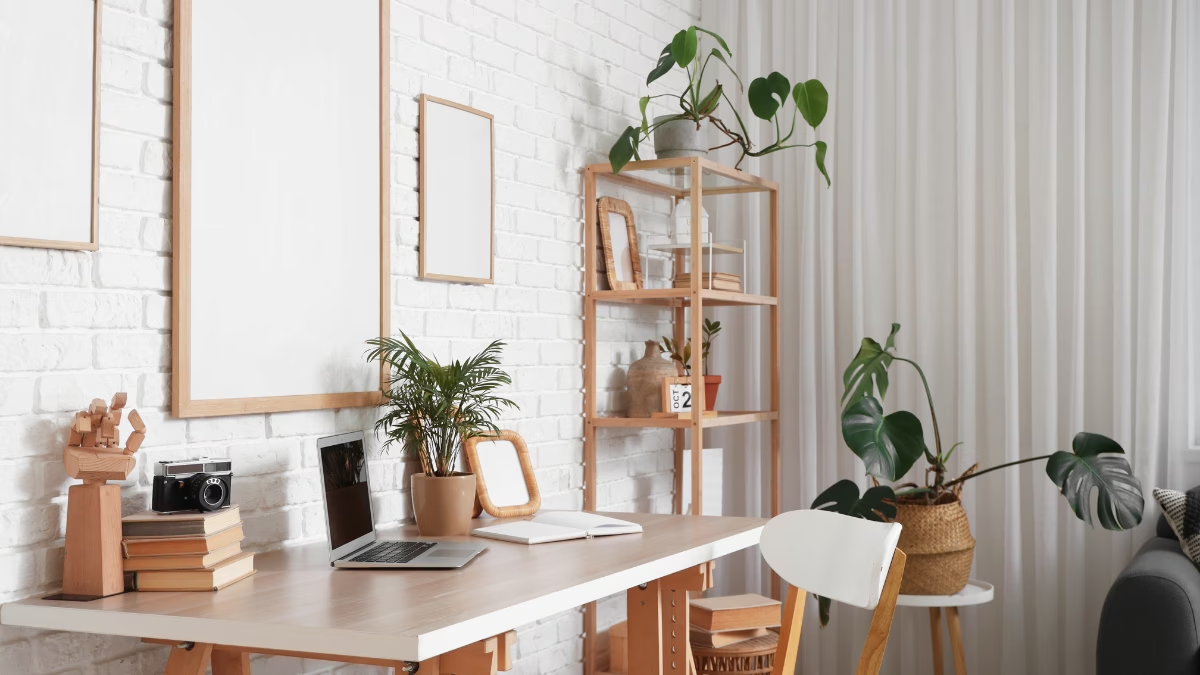
If cooking is part of your daily routine, the kitchen must be accessible and efficient. If you work from home, your workspace should support consistent use without needing to be reset each time. If you bring outdoor gear inside, there should be a defined transition area that prevents clutter from spreading.
Environmental conditions also influence layout decisions. In colder climates, insulation and storage for heavier items become more important. In warmer or humid environments, airflow and moisture control shape how the space should be arranged.
The most effective layouts are not generic. They respond to routine, environment, and practical use.
The Role of Structure in Small Space Living Ideas
Structure creates clarity. It allows a compact home to feel intentional rather than improvised.
Each area of the home should have a defined role, even if those roles overlap. A single room can support multiple functions, but those functions should not compete.
Subtle zoning helps achieve this. Changes in lighting, material, or furniture placement can define areas without adding walls. These transitions help the mind recognize different zones within the same space.
Over time, this reduces decision fatigue. The layout becomes intuitive, and the space requires less effort to maintain.
Storage as a System, Not a Reaction
Storage should be built into the layout from the beginning. Treating it as an afterthought often leads to clutter and inefficiency.
Effective storage is based on access and frequency. Items used regularly should be easy to reach. Less frequently used items can be stored higher or deeper within the space.
The goal is not to maximize storage volume, but to align storage with behavior. When storage supports routine, clutter is less likely to build. When it does not, even well-designed spaces can become disorganized.
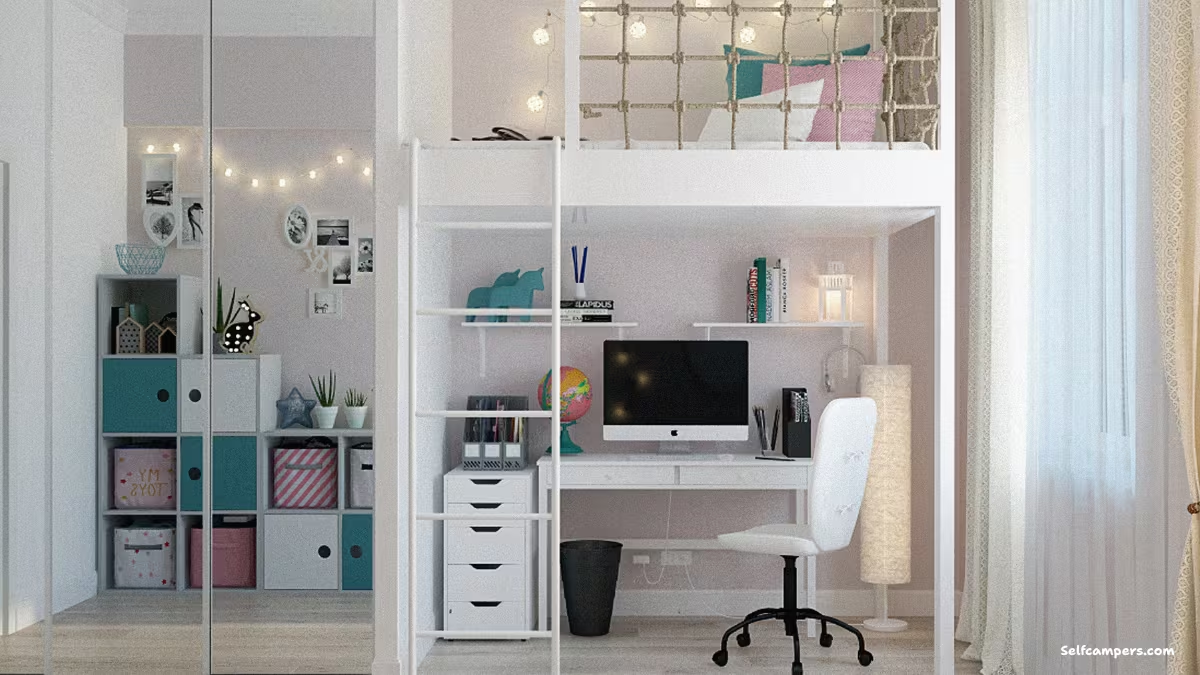
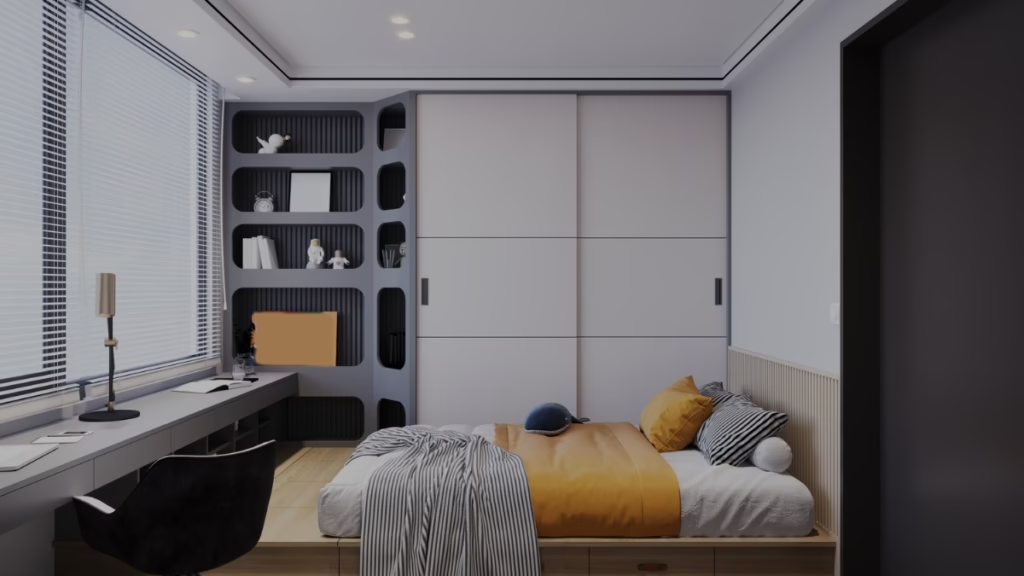
Integrated storage solutions, such as under-bed compartments, built-in seating, and vertical shelving, provide stability and make better use of available space.
Creating Space Without Adding Square Footage
Space is not only physical. It is also visual.
A room feels larger when the eye can move freely. This is influenced by furniture placement, visible floor area, and consistency in design elements. When too many materials or objects compete for attention, the space feels smaller.
Reducing visual clutter improves how the space is experienced. This does not require removing personality. It requires choosing elements that work together rather than against each other.
Even small adjustments, such as repositioning furniture or removing unnecessary items, can significantly improve how a space feels.
How Compact Living Connects to Self-Sufficiency
Compact living naturally aligns with self-sufficient design. Smaller spaces require less energy to heat, fewer materials to maintain, and often encourage more intentional consumption.
As the space becomes more efficient, it becomes easier to support with independent systems such as solar power or simplified utilities. This creates a more resilient living environment.
The shift from expansion to optimization changes how resources are used. Instead of increasing space, the focus moves to improving function. This is what makes small spaces both practical and sustainable.
Small Space Living Hub: Explore Related Guides
If you are refining your approach to compact living, the following guides expand on specific areas that support a functional and well-structured home.
Explore how layout affects sleeping spaces.
Learn how to work with larger furniture in compact rooms.
Understand how atmosphere and layout combine.
Improve organization in daily use.
Refine long-term simplicity and order.
These guides work together as a system, covering layout, organization, and long-term functionality.
Final Perspective
The best small space living ideas are not about limitation. They are about clarity and function.
When a home is structured around movement, purpose, and simplicity, it becomes easier to live in and easier to maintain. A compact space does not need to feel restrictive. When designed correctly, it becomes efficient, intentional, and adaptable.
At that point, space is no longer the constraint. It becomes an advantage.