DIY indoor camping ideas are more useful than most people give them credit for. They bridge the gap between outdoor seasons, give you a genuine reason to pull gear out of storage, and offer a weekend activity that does not depend on weather, daylight, or a three-hour drive. Whether you are a parent trying to hold a rainy Saturday together or an adult who wants to shake down a new sleep system before a spring trip, the goal is the same: create something that feels intentional, not thrown together.
This guide goes well past blanket forts. It covers how to build a camping atmosphere indoors that actually works, from the sensory details that fool your brain into relaxing to the practical gear choices that make the floor feel less like a floor. You will leave with a real blueprint, not a list of vague suggestions.
These ideas come from genuine time spent both in the backcountry and in the living room. The ones that made this list are the ones that hold up.
What Makes DIY Indoor Camping Ideas Actually Work
The difference between sleeping on a messy floor and a genuine indoor camping setup comes down to commitment. If the television is on, the overhead lights are blazing, and your phone is buzzing every few minutes, you have not created a campsite. You have created an inconvenience.
What actually works is sensory immersion. Soft, warm lighting mimics firelight. A nature soundscape running in the background masks the hum of the refrigerator and the neighbor’s television. A scent diffuser with cedarwood or balsam fir oil adds the olfactory layer that pulls the whole thing together. When those three elements align, your brain stops registering the drywall and starts settling into something closer to the camp mindset.
The physical boundary of a shelter matters more than people expect. Even a simple tent in the living room creates a psychological line between the campsite and the rest of the house. It separates the experience from the dishes in the sink and the laundry on the chair. Treat the setup with the same intention you would bring to a site in a national forest, and the experience follows.
Setting Up Your Indoor Campsite
Before any of the ideas on this list mean anything, the foundation has to be right. Here is how to build it.
Choosing the Right Room or Space
Start with the largest open floor you have available. A basement or a cleared living room works best because they offer room to breathe and set up properly. Move the coffee table out, roll up the rug, and give yourself a blank canvas. If you have a fireplace, set up nearby. It gives the space a natural focal point and makes the indoor campfire alternative feel less like a workaround.
Pitching a Real Tent vs. Building a DIY Shelter
If you own a freestanding backpacking tent, pitch it. The zip of the door and the smell of the rainfly do more for the atmosphere than any projector or sound app. For those without a tent, a blanket fort camping structure built over wooden dowels or a taut clothesline will hold its shape far better than one propped up with sofa cushions. The roof needs to stay off your face at 2 a.m.
Flooring, Sleeping Pads, and Bedding
Home flooring is less forgiving than most people anticipate. A hardwood floor with a thin sleeping pad beneath you is not comfortable, regardless of how tired you are. Use a proper foam or self-inflating pad, and lay a heavy wool blanket underneath it to stop it sliding and to add an extra layer of insulation from the cold floor. This is the same layering logic that works in cold-weather camping, and it works just as well indoors.
Lighting the Space Safely
Turn off every overhead light before the session starts and leave them off. Battery-powered camp lanterns with warm-toned LEDs create the right quality of light. String lights draped over the shelter add to it. Candles in glass jars work well for adults, but if children are involved, flameless LED candles give the same flicker without the risk. A well-lit room kills the atmosphere faster than anything else on this list.
23 DIY Indoor Camping Ideas for the Full Experience
Atmosphere and Ambiance
1. The Digital Fireplace. Play a high-definition campfire video on your television or tablet. The visual flicker and the sound of popping logs do more heavy lifting than you would expect.
2. Nature Soundscapes. Loop a thunderstorm or running creek through a white noise machine or phone app. It masks household noise and resets the sonic environment completely.
3. Star Projector. Aim a galaxy projector at the ceiling. A moving sky makes a low-ceilinged room feel surprisingly open.
4. Pine Scent Diffuser. Cedarwood, balsam fir, or pine essential oils recreate the sharp, clean scent of a forest floor. Scent is the most underused tool in any indoor setup.
5. Lantern-Only Rule. Once the sun sets outside, commit to lanterns and headlamps only for the rest of the evening. The shift in light quality changes the whole mood.
6. Red Light Mode. Switch headlamps to the red-light setting. It preserves night vision and adds a technical, backcountry feel that adults appreciate.
7. Open the Windows. If the temperature allows, crack a window. Fresh air and the ambient sounds of the night outside are a free atmosphere.
Shelter and Sleep Setup
8. The Living Room Basecamp. Pitch your lightest freestanding tent without stakes, using gear bags or hand weights on the corners to hold tension.
9. PVC Pipe Frame. Build a simple A-frame from PVC pipes and connectors, then drape a heavy canvas tarp over the top. It looks rugged and holds its shape well.
10. Doorframe Hammock. With the right hardware and a genuinely sturdy doorframe, a hanging hammock gives you the swaying sensation of a forest hang without the trees.
11. The Dining Table Den. Drape a king-sized dark sheet over a large dining table. It creates a low, private sleeping space that works particularly well for younger kids.
12. Pad Layering. Stack a closed-cell foam pad under an inflatable one. The combination is more comfortable than either alone and gives you a chance to test your actual trail setup.
13. Sleeping Bag Liner. A silk or fleece liner inside your bag adds warmth and recreates the feel of a more technical sleep system without the bulk.
Camp Kitchen and Food
14. Cast Iron Cooking. A seasoned cast-iron skillet on the stovetop produces the kind of charred, honest flavors that a non-stick pan simply does not. It is a small detail that lands.
15. Oven Foil Packets. Chicken, potatoes, and root vegetables wrapped in heavy-duty foil and baked in the oven recreate the classic trail dinner with almost no cleanup.
16. Stovetop Popcorn. A deep pot with a lid and a little oil is all you need. It is fast, it smells right, and it is the kind of low-effort camp snack that everyone reaches for.
17. Trail Mix Station. Set out bowls of nuts, dried fruit, seeds, and chocolate chips. Letting people build their own mix is half the point.
18. Enamel Mug Drinks. Hot cocoa, cider, or coffee served in tin enamel mugs adds a tactile layer to the camping activities indoors that a ceramic mug simply cannot replicate. The way the metal holds heat is its own small ritual.
Activities and Games
19. Indoor Stargazing. Use a stargazing app to identify constellations by pointing your phone at the ceiling where they would appear outside. It sounds simple. It works.
20. Household Scavenger Hunt. Build a list of items defined by texture, color, or smell rather than name. Something rough, something that smells like wood, something green. It keeps younger campers busy and observant.
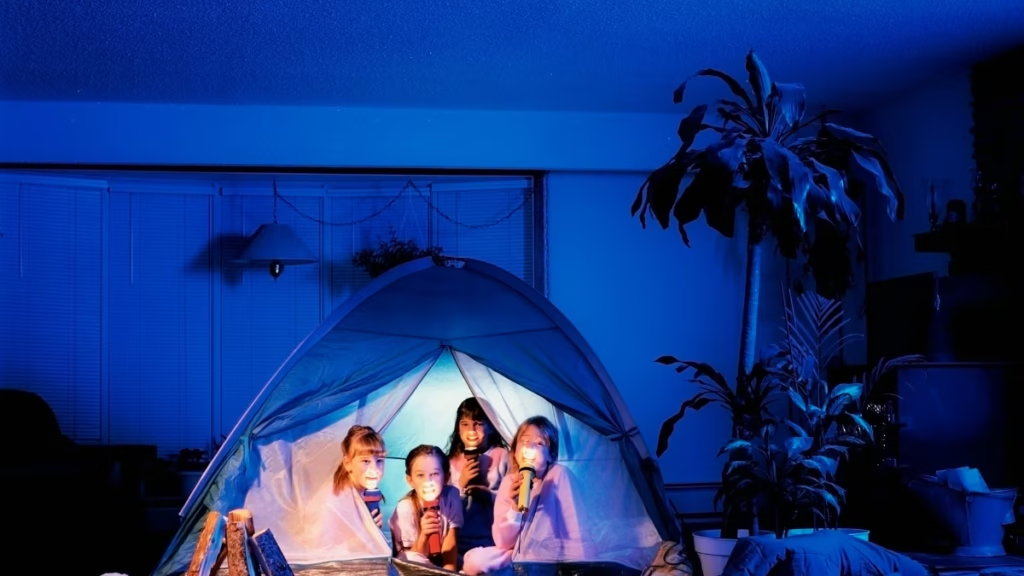
21. Shadow Puppets. A high-lumen flashlight against the tent wall and a willingness to look slightly ridiculous. This one has been working for generations.
22. Map Reading Practice. Spread a topographic map of a local trail system on the floor and plan your next real trip by lantern light. It is useful, and it keeps the outdoor connection alive.
23. Nature Sketching. A field journal, a pencil, and the objects from your gear kit or photos from past trips. Quiet, focused, and genuinely restorative.
Best DIY Indoor Camping Ideas for Kids Specifically
The setup is often the best part for children. Kids who help pitch the tent, even an indoor one, are invested in the experience in a way that a pre-arranged room never produces. Let them decide where the entrance faces. Let them arrange the sleeping bags. Give them a role in the engineering, and they will defend that campsite all evening.
Safety adjustments for younger campers are straightforward. Candles are out. Battery-operated lanterns and glow sticks are in. A handful of glow sticks tossed into the bottom of a tent creates a colorful, low-pressure nightlight that feels like a reward rather than a concession to nerves.
Keep the schedule moving. Outdoors, the environment provides the stimulation. Indoors, you are the environment. Plan a specific window for the DIY camp kitchen snacks, a specific time for storytelling, and a wind-down period before sleep. Without that structure, the evening drifts back toward screens within the hour.
The ritual matters as much as the activity itself. Have kids pack a small backpack with their overnight essentials before moving to the living room. Have them change into base layers. These small transitions signal that the rules have shifted for the night, even if the kitchen is ten feet away.
Gear Worth Having for Indoor Camping
| Item | What to Look For | Why It Matters for Indoor Use |
|---|---|---|
| Backpacking Tent | Freestanding design, small footprint | Stands without stakes, fits most rooms |
| Sleeping Pad | Self-inflating or foam, R-value 2 or higher | Protects against hard, cold home flooring |
| LED Camp Lantern | Warm color temperature, dimmable | Creates a firelight quality glow without heat or flame risk |
| Enamel Cookware | Carbon steel with porcelain coating | Delivers the tactile feel and sound of a real camp kitchen |
The practical advantage of DIY indoor camping ideas is that most of the gear is already sitting in your garage or storage bin. Bringing it inside gives you a chance to inspect it, air it out, and stay connected to the hobby during the months when getting outside is harder.
Frequently Asked Questions
What do you need for indoor camping?
A freestanding tent or DIY shelter, a sleeping pad, a sleeping bag, and warm-toned lighting are the core requirements. Add a nature soundscape and a scent diffuser if you want the atmosphere to hold up. The gear you already own for real camping is usually enough to make it work.
How do you make indoor camping fun for adults?
Commit to the sensory details: lantern-only lighting, a campfire video, enamel mugs, and real camp food cooked on the stovetop. Adults respond to intentionality. The more deliberate the setup, the more genuinely enjoyable the experience becomes.
Can you pitch a real tent inside the house?
Yes, and it is worth doing if you own a freestanding tent. Most backpacking tents fit comfortably in a cleared living room or basement. Use gear bags on the corners instead of stakes to hold the footprint in place.
What are good indoor camping activities for kids?
Shadow puppets, a household scavenger hunt, stovetop popcorn, and map reading by lantern light all work well. Involve children in the shelter setup first. An evening they helped build is one they will stay invested in.
How do you create a campfire atmosphere indoors?
A campfire video on a screen, warm LED lanterns, a wood-scented diffuser, and enamel mugs for drinks cover the visual, olfactory, and tactile bases. That combination is more convincing than most people expect before they try it.
From the Living Room to the Real Thing
Camping at home is not a lesser version of the real thing. It is a different use of the same instinct: the desire to step outside the routine, make something with your hands, and share a smaller space with people you want to be around. The gear is the same. The intention is the same. The morning after, when you are stiff from the floor and vaguely proud of yourself, that part is the same, too.
The best DIY indoor camping ideas do not just fill a rainy weekend. They keep the habit alive between real trips and remind you exactly why you started camping in the first place. If this session has done that, the next step is getting back outside and doing it properly. Start with the basics and build from there. Our guide on how to set up a campsite for beginners covers everything you need for the real thing.