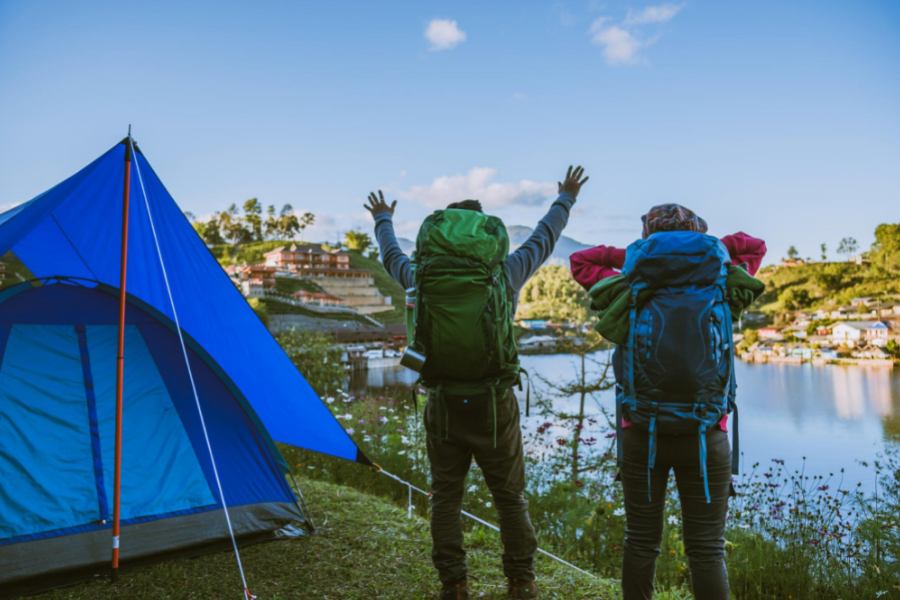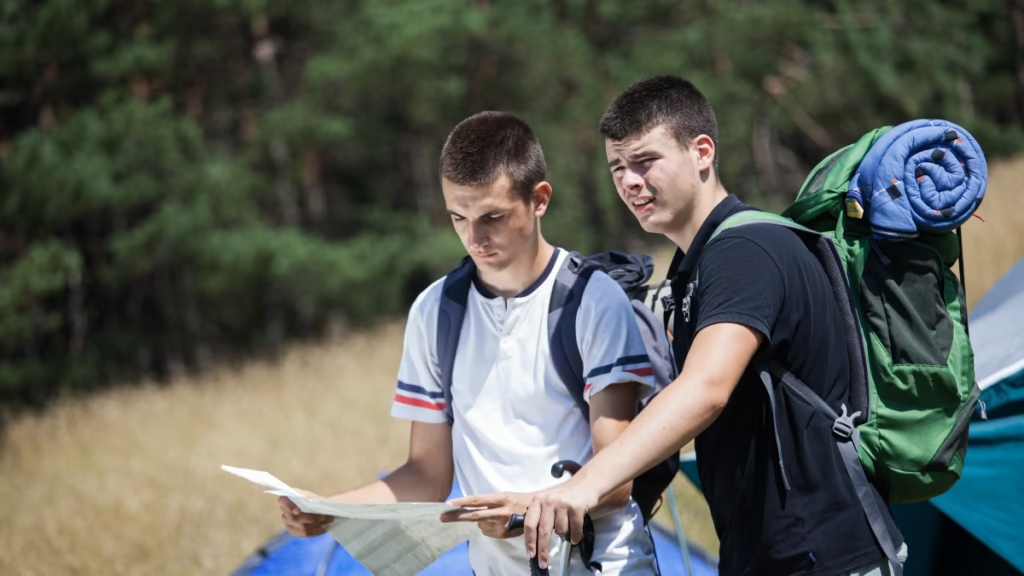
Summer camps in America for 16-year-olds are a different category entirely from standard youth programs, and the search for the right one deserves to be treated that way. At sixteen, most teenagers have long outgrown color wars and general recreation schedules. They want challenge, real skill development, and an environment that treats them like the capable people they are becoming. The best programs understand that distinction. The rest are just expensive babysitting.
This is also an age group that often drives the research themselves. Some 16-year-olds know exactly what they want from a summer program. Others have a general direction but need help narrowing it down. Either way, the decision works best when the teenager is at the center of it, not just the recipient of it.
This guide covers seventeen programs across five categories, a practical framework for choosing the right fit, and the honest answers to the questions parents and teenagers actually ask.
What Makes a Summer Camp Right for a 16-Year-Old
The difference between a good camp and the right camp for this age comes down to how the program views the teenager sitting across from it.
Age-Appropriate Programming
Many overnight camps for teens accept 16-year-olds but do not design specifically for them. That gap shows quickly. Look for programs that offer Counselor-in-Training or Leadership-in-Training tracks. These roles shift a teenager from passive participant to active contributor, giving them responsibility over younger campers and a behind-the-scenes understanding of how the program runs. That shift matters more than most people realize.
Skill Development Over Entertainment
By sixteen, a teenager wants to leave a summer program with something to show for it. A wilderness first aid certification. A finished short film. A specific coding language they can actually use. The best camps for 16-year-olds build confidence through competence, not through a packed activity schedule. Hard skills earned in a real environment carry weight that no participation ribbon ever will.
Safety, Supervision, and Independence Balance
A 16-year-old needs room to make decisions and occasionally get things wrong in a low-stakes way. They also still need a professional safety net. The best teen summer camps USA maintain strong staff-to-camper ratios and employ instructors with genuine expertise in their fields, not generalist college students filling a seasonal role. The goal is a framework where the teenager feels genuinely in charge while the program manages the risks they cannot yet see.
How to Choose the Best Summer Camp in America for 16-Year-Olds
Start with a direct conversation, and let the teenager lead it.
At sixteen, a camper forced into a prestigious program that does not match who they actually are will spend two weeks counting down to home. A smaller, specialized program that fits their real interests will do more for their confidence and development than any famous name on a brochure. The best camp for a teenager is rarely the most prestigious one on the list. It is the one that matches who they are right now and gives them room to figure out who they want to become next.
Align the program with genuine curiosity or a long-term goal, not a perceived gap. A teenager feeling the pressure of college applications may benefit from a leadership camp for teenagers or a university-based STEM program that adds real resume value. A teenager burned out from a heavy academic year may need a wilderness camp for teens and the mental reset that comes with three weeks in the backcountry. Both are valid. Neither is wrong. The fit is what matters.
Session length deserves practical consideration, too. Many 16-year-olds are balancing summer jobs, sports commitments, or family plans. Look for programs offering flexibility, whether that is an intensive two-week block or a full-season immersion. Neither format is superior. The one that actually works with their life is the right one.
Budget planning should be transparent and done early. Residential summer camps at this level carry higher costs because of specialized staff, equipment, and programming. Research financial aid options before ruling anything out. Several of the best programs on this list offer scholarships or need-based tuition. Beyond the program fee, factor in travel and any gear requirements upfront. A wilderness expedition that requires proper boots and a pack needs to be budgeted as a full cost, not an afterthought.
One final indicator worth checking: returning camper rates. A program where teenagers come back year after year is usually one that gets the social environment right. At sixteen, the community inside the program matters as much as the curriculum. They want to be around people who share their interests and a staff that respects their maturity.
17 of the Best Summer Camps in America for 16-Year-Olds
These seventeen programs represent some of the strongest options available across five distinct categories. Each one has something specific to offer a teenager at this stage.
Outdoor Adventure and Wilderness Camps
NOLS, National Outdoor Leadership School: Various locations, including the Rockies and Pacific Northwest. NOLS is the benchmark for serious outdoor adventure camps at the teenage level. The curriculum centers on backcountry travel, expedition leadership, and environmental ethics. Students earn nationally recognized certifications in wilderness safety, credentials that carry genuine weight well beyond the summer.
Outward Bound: Locations across the USA. Outward Bound uses the wilderness as a direct classroom. Programs for this age group are built around high-intensity expeditions designed to develop resilience and self-awareness. The standout element is the Solo experience, a period of intentional solitude in nature that many alumni cite as one of the most formative experiences of their teenage years.
Adirondack Woodcraft Camps: Old Forge, New York. A traditional wilderness camp for teens with deep roots in woodsmanship, canoe travel, and extended backcountry trips. The Senior Village provides older campers with a distinct living space and a meaningful step up in independence from the general camp population.
Adventure Treks: Various locations across Western North America. A high-energy rotation of rafting, climbing, and backpacking built around a deliberately non-competitive atmosphere. The program places heavy emphasis on peer community, which makes it a strong fit for teenagers who want genuine outdoor challenge without the pressure of performance rankings.
STEM and Technology Camps
iD Tech Camps: Held at universities nationwide. One of the most recognized STEM camps for high schoolers in the country, with tracks covering AI, game design, and cybersecurity. One-on-one instruction options with working industry professionals set this apart from standard group-format tech programs.
National Computer Camp: Various locations. A focused program for teenagers serious about software engineering and high-level programming. As the oldest computer camp in America, it carries a deep alumni network that has genuine professional value beyond the summer session itself.
BlueStamp Engineering: New York City and Silicon Valley. Students select and build a complex engineering project entirely from scratch over the course of the program. Every participant leaves with a video portfolio of their working project, something concrete and specific that holds up well in college admissions conversations.
Arts and Performance Camps
Interlochen Arts Camp: Interlochen, Michigan. One of the most respected residential summer camps for young artists and performers in the country. Students study and perform alongside world-class guest artists in an environment that takes creative development seriously from the first day.
Stagedoor Manor: Loch Sheldrake, New York. A performing arts intensive with a reputation built over decades and a roster of alumni that includes some of today’s most recognizable actors. Every camper is cast in a full-scale theatrical production, not a showcase or workshop exercise.
SOCAPA, School of Creative and Performing Arts: New York City and Los Angeles. Film, photography, and dance intensives focused on professional-grade output rather than recreational participation. Students leave with a digital reel of their work, which is the kind of portfolio material that actually matters for arts-focused college applications.
Sports and Athletics Camps
IMG Academy: Bradenton, Florida. A high-performance environment built for teenagers aiming at collegiate or professional competition. Access to sports science, mental conditioning, and elite coaching infrastructure makes this one of the most complete athletic development programs available to a 16-year-old in the country.
U.S. Sports Camps, Nike Camps: Various university locations. Specialized training across nearly every major sport, frequently coached by university staff. The position-specific training tracks are particularly valuable for advanced players who have moved past what a general skills camp can offer them.
Woodward West and East: California and Pennsylvania. The destination for action sports. Skateboarding, BMX, parkour, and gymnastics across state-of-the-art indoor and outdoor parks designed in direct collaboration with professional riders. For a teenager whose sport lives outside the mainstream, this is the place.
Leadership and Community Service Camps
Global Works: International and domestic locations. These summer programs for teenagers combine genuine community service with cultural immersion in a way that produces something more meaningful than a resume line. Projects contribute to long-term community development goals, and that distinction is visible to anyone reading the application.
Student Conservation Association: Various National Parks. One of the most credible conservation programs available to teenagers in the United States. Sixteen-year-olds work on real trail crews and land management projects inside some of America’s most iconic landscapes. Many programs are tuition-free, which makes this one of the most accessible high-quality options on this entire list.
National Student Leadership Conference: Held at various universities. Career exploration in law, medicine, diplomacy, and other professional fields through simulations, guest speakers, and behind-the-scenes access to relevant agencies. For a teenager with a specific professional direction, this kind of targeted exposure has real value.
VISIONS Service Adventures: Various locations. A leadership camp for teenagers built around community-driven construction and social service. The home-based model integrates participants directly into the local community rather than keeping them at arm’s length, which produces a depth of experience that most service programs do not come close to matching.
A Three-Column Comparison: Camp Types at a Glance
Each category takes a different approach to the same goal: helping a 16-year-old leave the summer more capable than they arrived.
| Camp Type | Best For | What to Expect |
|---|---|---|
| Outdoor Adventure | Resilience and self-reliance | High physical challenge and backcountry living |
| STEM and Technology | Career exploration and hard skills | Intensive lab or computer time and project builds |
| Arts and Performance | Creative portfolios and stage presence | Long rehearsal hours and professional critique |
| Sports and Athletics | Competitive edge and physical development | High-repetition drills and elite coaching |
| Leadership and Service | College applications and real-world awareness | Collaborative projects and hands-on community work |
Frequently Asked Questions
What age is best for summer camp in America?
Most children begin as young as seven, but sixteen is widely considered a peak year for camp value. At this age, teenagers can pursue certifications, take on leadership roles, and engage with social dynamics that build genuine independence. It is also one of the last summers before college planning dominates everything.
Are there summer camps specifically for 16-year-olds?
Yes. Many programs run Senior or Leadership divisions exclusively for high school juniors and seniors. These tracks replace standard camp activities with advanced wilderness expeditions, professional project builds, or CIT roles that reflect the maturity and capability of this age group.
How much do summer camps in America cost for teenagers?
Day programs can start around $500 per week. Elite residential summer camps and wilderness expeditions typically range from $1,500 to $3,000 per week or more. Many nonprofit programs, including several on this list, offer scholarships or need-based tuition. Research financial aid before ruling a program out based on the headline price.
Can a 16-year-old go to camp alone without parents?
Yes, and for many teenagers, the independent journey to camp is part of the experience. Traveling to a program alone builds practical self-reliance before the program even begins. Most residential camps provide airport shuttles and designated staff to meet campers at arrival points.
What should a 16-year-old look for in a summer camp?
A program that builds hard skills, offers genuine responsibility, and puts them around peers who share their interests. The social environment matters as much as the curriculum at this age. Look for programs where teenagers are treated as capable people, not managed as a liability.
The Right Camp Changes More Than Just the Summer
Choosing well from the many summer camps in America for 16-year-olds available today is less about finding the most impressive program and more about finding the most honest match. The teenager who arrives at a camp that fits them will push harder, connect more deeply, and leave with something that lasts beyond the end of August.
Once the program is chosen, preparation becomes the next priority. A teenager heading into the backcountry needs different gear than one heading to a university dorm, and having the right equipment from the start lets them focus on the experience rather than manage discomfort. Our guide on the best camping gear for teenagers covers the essentials worth investing in before they go.