Tiny home builders in the USA operate within a surprisingly diverse landscape where climate, zoning rules, and construction standards vary from state to state. Navigating the tiny home market can feel like trying to solve a puzzle where the pieces change shape depending on where you stand. A builder that excels at crafting mountain retreats in Colorado might not be the right choice for a moisture-prone lot in Florida. Because tiny homes are governed by a patchwork of local zoning laws and regional climate needs, finding a builder who truly understands your specific geography is the most critical step in your journey.
This guide serves as the central hub for our state-by-state research. Below, you will find a breakdown of the best tiny home builders in the United States, organized by region and state, along with the essential factors you must consider before signing a contract.
Tiny Home Builders in the USA: What Makes a Builder Worth Trusting
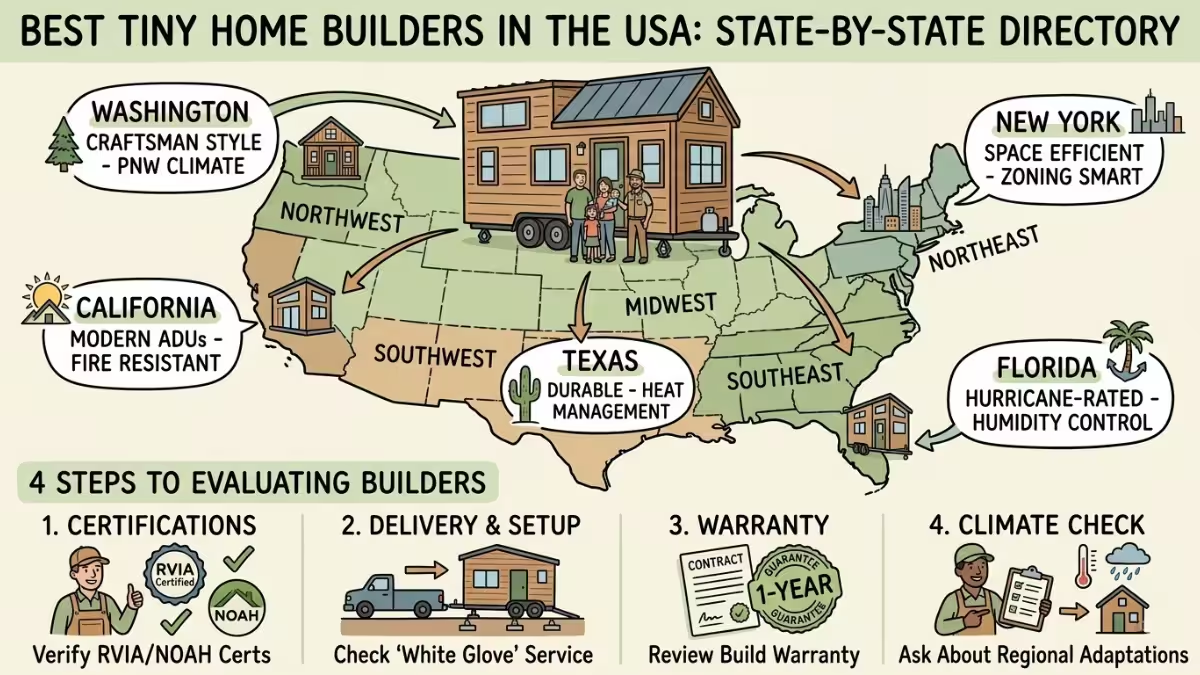
Before diving into specific states, it helps to understand what separates a reputable builder from a risky one. The tiny home industry has expanded rapidly in recent years, and not every builder follows the same safety standards, certifications, or construction practices. A reliable builder should understand regional climate conditions, comply with certification programs such as RVIA or NOAH, and design homes that meet the legal requirements of the state where the home will be placed.
The Landscape of American Tiny Home Building
The tiny home industry has matured from a niche DIY movement into a professionalized housing sector. Today, the best builder isn’t just the one with the prettiest Instagram feed; it’s the one that offers RVIA certification (for mobility and financing), understands Appendix Q building codes (for permanent foundations), and follows modern tiny house building standards suited to your local weather.
Why Regional Expertise Matters
When you choose a builder within your region, you aren’t just saving on delivery fees. You are hiring someone who understands:
-
Snow Load Ratings: Critical for the Pacific Northwest and New England.
-
Humidity and Mold Mitigation: A primary concern for builders in the Southeast.
-
Wildfire and Wind Resistance: Essential engineering for California and Tornado Alley.
State-by-State Builder Guides
Editor’s Note: This directory brings together our complete coverage of tiny home builders across all 50 states. Each state guide provides detailed insights into local builders, zoning considerations, and practical factors to help you make informed decisions based on your location.
Select your state below to explore trusted tiny home builders, local regulations, and key planning insights.
The Southeast
Alabama – Focuses on storm anchoring and high-humidity HVAC systems. Featured builders include Timbercraft and Stone Canyon.
Florida – High emphasis on hurricane-rated tie-downs, moisture barriers, and coastal durability.
Georgia – A hub for affordable farmhouse-style builds and established tiny home communities.
Kentucky – Strong fit for rural placement, four-season insulation, and budget-friendly custom builds.
Mississippi – Emphasis on moisture control, storm resilience, and flexible rural siting.
North Carolina – Balances mountain insulation needs in the west with hurricane considerations in coastal areas.
South Carolina – Focuses on coastal humidity protection, wind resistance, and retirement-friendly tiny living.
Tennessee – Home to some of the nation’s most luxury-focused tiny home designers.
Virginia – Growing interest in backyard ADUs, suburban zoning navigation, and mixed-climate building.
West Virginia – Attractive for off-grid tiny living, steep-site placement, and cold-weather durability.
The West & Pacific
California – The national leader in ADU legislation and fire-resistant tiny home construction.
Colorado – Specialists in four-season insulation and off-grid solar integration for high-altitude living.
Oregon – One of the historic centers of the tiny home movement, known for custom craftsmanship.
Washington – Known for modern designs built to handle the damp Pacific Northwest climate.
Arizona – Focuses on extreme-heat management, reflective roofing, and solar-ready off-grid systems.
Nevada – Emphasizes desert durability, passive cooling, and water-efficient small-home design.
Utah – Known for mountain-ready insulation and family-oriented park-model designs.
New Mexico – Strong fit for passive solar homes and adobe-inspired desert construction.
Idaho – Emphasis on cold-weather durability and rural-land compatibility.
Montana – Built around snow loads, rugged shells, and remote off-grid placements.
Wyoming – Focuses on wind exposure, winter resilience, and durable open-country builds.
Alaska – Requires extreme cold-weather insulation, pipe protection, and high-efficiency off-grid systems.
Hawaii – Best suited to moisture-resistant materials and compact tropical design.
The Midwest
Illinois – Practical market for backyard ADUs and suburban compliance.
Indiana – Known for affordable craftsmanship and simple rural placements.
Michigan – Focuses on lake-effect winters and cold-weather insulation.
Ohio – Strong on affordable custom builds and suburban siting strategies.
Wisconsin – Specialists in heavy insulation and energy-efficient winter living.
Minnesota – Designed around extreme winters and advanced thermal efficiency.
Iowa – Emphasizes wind durability and budget-friendly rural builds.
Missouri – A growing tiny home market with flexible land options.
Kansas – Focuses on severe storm anchoring and wind resistance.
Nebraska – Known for practical rural builds and storm-ready shells.
North Dakota – Prioritizes deep insulation and extreme cold-weather protection.
South Dakota – Built around open-plains wind protection and winter resilience.
The Northeast
New York – Navigates strict zoning with park-model and ADU-style tiny homes.
Pennsylvania – Home to Amish-inspired craftsmanship and durable modular designs.
New Jersey – Requires careful zoning navigation and creative placement strategies.
Massachusetts – Focuses on energy-efficient shells and strict code compliance.
Connecticut – Known for high-quality craftsmanship and winter durability.
Rhode Island – Compact coastal designs with moisture-resistant construction.
Vermont – A natural fit for super-insulated homestead-style tiny homes.
New Hampshire – Focuses on snow loads and rugged four-season living.
Maine – Known for durable coastal and woodland tiny home designs.
Delaware – Emphasizes compact coastal living and retirement-friendly builds.
Maryland – A strong candidate for suburban ADUs and mixed-climate homes.
The South Central
Texas – One of the largest tiny home markets, known for custom builds and rural placement.
Oklahoma – Focuses on storm-ready anchoring and affordable land options.
Arkansas – Attractive for off-grid living and low-cost rural placement.
Louisiana – Emphasizes flood awareness, moisture control, and ventilation.
How to Evaluate a Tiny Home Builder
Regardless of which state you live in, we recommend putting every potential builder through this four-point inspection:
-
Certifications: Are they RVIA or NOAH certified? This is often the difference between being able to insure your home or not.
-
Delivery & Setup: Do they offer white-glove delivery, or are you responsible for hiring a third-party hauler and leveling the home yourself?
-
Warranty: Most professional builders offer a 1-year limited warranty. Avoid builders who offer as-is sales for new builds.
-
Case Study Reality: Ask the builder for a specific scenario: How does this home handle a week of sub-zero temperatures? A knowledgeable builder will discuss R-values and pipe protection immediately.
Essential Resources for Your Tiny Journey
Before you commit to a builder, ensure you have a firm grasp on the secondary costs and legalities that come with small-space living.
-
Tiny Home Cost Breakdown: Learn why the sticker price is only about 70% of your total move-in cost.
-
Tiny Home Parking Laws: A state-by-state roadmap to finding a legal place to live.
-
DIY vs. Professional Builds: Should you buy a shell and finish it yourself, or go turnkey?
-
Tiny House Shell Savings: How to Save $20,000 Using a Smart Build Checklist
-
Tiny House Land Rental Costs: A Global Price Guide and Strategy