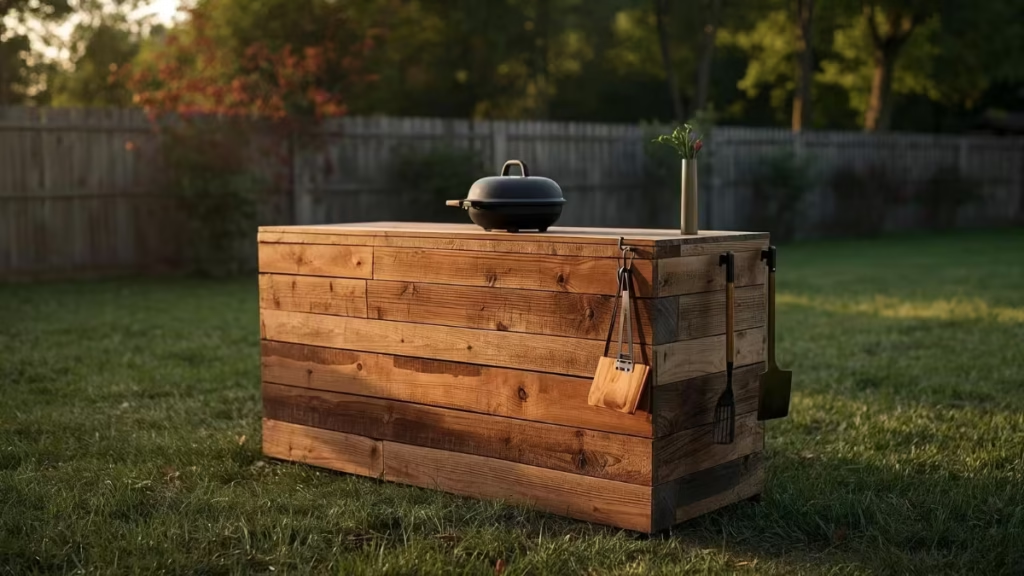
Constructing a functional outdoor kitchen area does not require a large financial investment if you have access to quality salvaged materials. Many enthusiasts are discovering that they can create a reclaimed wood grill station by repurposing wooden pallets and construction offcuts. This approach allows for a customized design that fits the specific layout of a patio or a small, tiny home deck.
While the cost of materials is low, the technical requirements for safety and durability are high. Building with reclaimed lumber requires an understanding of wood treatments and structural integrity to ensure the finished station is safe for food preparation and can withstand the heat of a grill.
Selecting Safe Materials for Your Build
The first step in any salvaged wood project is verifying the history and treatment of your lumber. Not all wooden pallets or reclaimed boards are suitable for a cooking environment. When searching for materials for your reclaimed wood grill station, you must look for the heat-treated stamp, which is usually indicated by the letters HT. This mark ensures the wood was processed using high temperatures rather than chemicals to kill pests.
You should avoid any wood that appears heavily stained or carries a strong chemical odor. These boards may have been used to transport hazardous liquids or treated with methyl bromide, which is a toxic pesticide.
I have found that local garden centers and small hardware stores are often the best sources for clean, high-quality pallets. Once you have secured your wood, use a crowbar to carefully disassemble the frames. Take the time to remove every protruding nail and sand the surfaces smooth to prevent splinters and ensure a professional finish.
Engineering a Sturdy Reclaimed Wood Grill Station
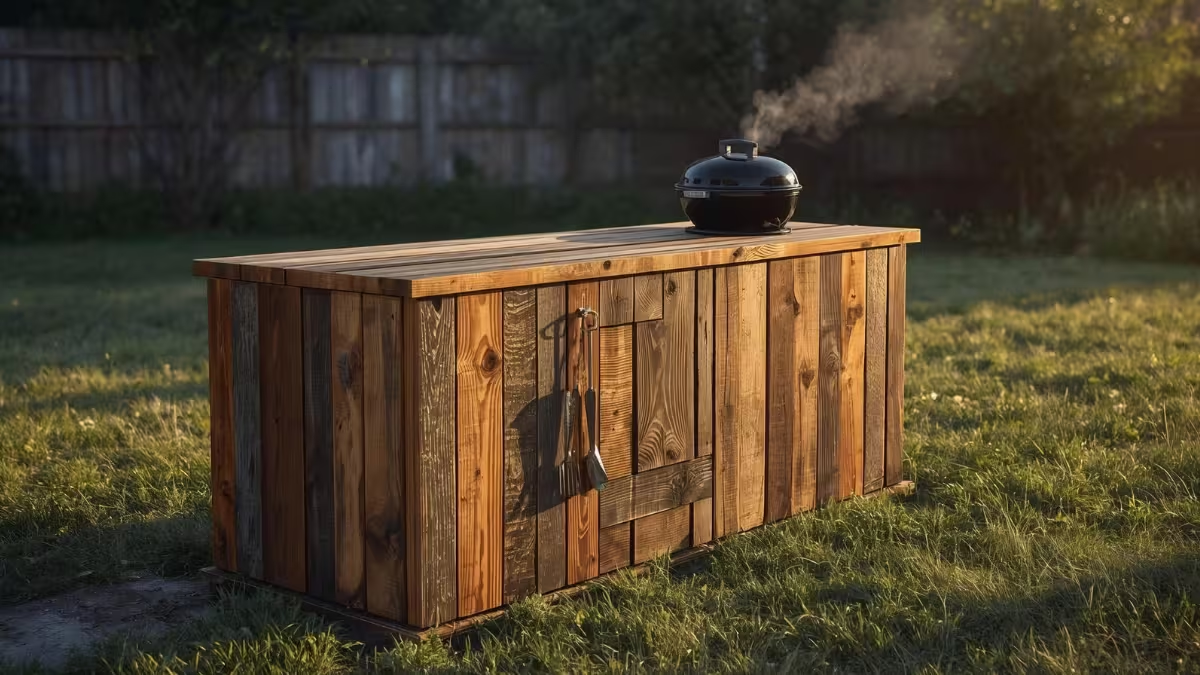
Building with salvaged lumber presents unique challenges because the boards are rarely perfectly uniform. To create a stable base, you need a clear structural plan that accounts for these minor variations in wood thickness.
Building the Primary Frame
To build a reliable support system, harvest the thickest stringer boards from your pallets to use as the vertical legs. I recommend cutting four identical legs to a height of thirty-six inches, which is the standard for comfortable standing work. Connect these legs with horizontal cross members to create two identical side panels. Using deck screws instead of nails is a better choice here because they provide superior grip as the wood naturally expands and contracts in the outdoor air.
Integrating the Countertop and Shelving
Once the side panels are standing, join them using the flat deck boards you salvaged earlier. These boards will form both the lower storage shelf and the upper prep surface. I have seen many people make the mistake of leaving the countertop boards too loose: it is better to butt them tightly together to prevent food or small tools from falling through the cracks. For the main surface, consider adding a middle support beam under the center of the counter to prevent sagging over time, especially if you plan to use a heavy portable griddle.
Customizing Your Outdoor Cooking Workflow
A well-designed station should act as a command center for your outdoor meals. Since you are building from scratch, you can tailor the features to your specific cooking style.
-
Install stainless steel hooks on the side frame to keep your tongs and brushes within reach.
-
Add a magnetic strip to the backsplash for holding metal thermometers and small knives.
-
Mount a fixed bottle opener to one of the front legs as a simple but practical upgrade for guests.
Managing Heat Safety and Weather Resistance
Because you are working with combustible materials, safety is the most important factor in your design. Never place a hot grill directly on a wooden surface without a thermal barrier. I recommend using a set of thin concrete pavers or a dedicated fire-resistant grill mat to separate the heat source from the wood. This simple step prevents scorching and ensures the longevity of your build.
To protect the wood from moisture and UV damage, apply several coats of an outdoor sealant. If you plan to do direct food preparation on the surface, ensure the finish is labeled as food safe. In my experience, a light sanding between coats of oil helps the wood absorb the protection more evenly, which is particularly helpful with the porous nature of older reclaimed boards.
FAQ
Where can I find free wooden pallets for a reclaimed wood grill station?
Local small businesses, flooring companies, and equipment rental shops often have pallets they are willing to give away. Always ask for permission and check for the HT stamp before taking them.
How do I make salvaged wood safe for food contact?
The best practice is to sand the wood thoroughly and apply a food-grade mineral oil. If you are unsure about the wood history, use a separate cutting board on top of the station rather than prepping directly on the boards.
Can this station support a heavy Blackstone or propane grill?
Yes, but you must reinforce the frame. Adding a center stringer board under the countertop will distribute the weight more effectively and prevent the reclaimed boards from bowing under the load.
Strengthening Your Outdoor Independence
Mastering the use of salvaged materials is a foundational skill for anyone pursuing a self-sufficient lifestyle. Creating your own kitchen infrastructure allows you to move the heat of summer cooking outside and provides a dedicated workspace for processing food or hosting gatherings. Once your cooking setup is complete, the administrative and technical weight of the lifestyle begins to lift.
Readers exploring a reclaimed wood grill station often also research solar energy systems and portable power stations to ensure their off-grid cooking setup remains fully functional and independent. Building your own gear is a major step toward long-term resilience in any mobile or small space environment.