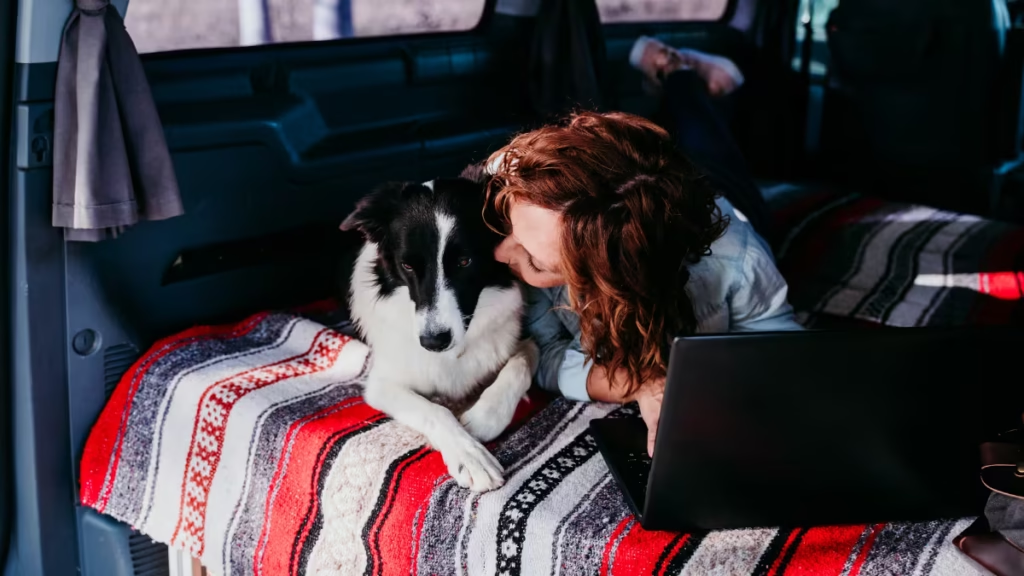
The definition of camping has expanded significantly as more enthusiasts seek flexible, weather-resistant ways to enjoy the outdoors. While traditionalists might argue that only a nylon tent or a canvas shelter qualifies, the rise of overlanding and car camping has blurred the lines.
A common question for newcomers and park rangers alike is: Does sleeping in your car count as camping? The short answer is yes, provided you are engaged in the activity of staying overnight in a natural or designated outdoor area.
However, the distinction often depends on your location, your intent, and the specific regulations of the land you are occupying. Understanding the nuances of vehicle-based stays can help you avoid fines while maximizing your comfort in the field.
Defining the Car Camping Experience
In the outdoor industry, car camping traditionally refers to driving your vehicle to a designated campsite and setting up a tent nearby. However, the term is increasingly used to describe sleeping directly inside the vehicle.
Intent and Environment
If you are parked at a trailhead, a national forest clearing, or a paid campground with the intent to enjoy the surrounding nature, you are camping. This is distinct from urban stealth sleeping or pulling over at a rest stop to nap during a long drive. The latter is generally categorized as overnight parking or emergency resting rather than camping. For those utilizing a mobile basecamp, the vehicle serves as a hard-sided tent that offers superior protection from wind, rain, and wildlife.
Regulatory Perspectives
From a legal standpoint, most land management agencies like the Bureau of Land Management (BLM) or the National Park Service consider sleeping in a vehicle to be camping. This means you are subject to the same rules as tent users, including stay limits (usually 14 days), waste disposal requirements, and permit fees. If a sign says no camping, it almost always applies to sleeping in your car as well.
Practical Advantages of Using Your Vehicle as a Shelter
Deciding that does sleeping in your car count as camping is a valid choice often comes down to the practical benefits of a hard-sided structure.
Weather Resilience and Insulation
A car provides a significant thermal advantage over a tent. While it doesn’t have an active heating system when the engine is off, it blocks wind completely and stays several degrees warmer than the outside air. In extreme conditions, such as a sudden mountain thunderstorm, the safety of a vehicle is unparalleled.
Practical Scenario: During an early spring trip to the Rockies, a sudden sleet storm can turn a meadow into a bog. While tent campers may struggle with wet gear and collapsing poles, a car camper can simply climb into a pre-made bed in the back of an SUV, staying dry and elevated off the frozen ground.
Security and Peace of Mind
For solo travelers or those in bear country, the physical barrier of a locked vehicle provides a level of security that fabric cannot match. It allows for a quicker departure if a situation becomes unsafe and keeps food odors more contained, though proper bear-safe storage is still required in many regions.
Equipment Needs for Comfort in a Vehicle
To ensure your experience truly feels like camping and not just a cramped night in a parking lot, you need to optimize your interior space.
-
Window Ventilation: Moisture from your breath can quickly lead to heavy condensation inside the car. Use mesh window screens to allow airflow while keeping insects out.
-
Leveling Blocks: Sleeping on a tilt can lead to headaches and poor rest. Carrying a small set of leveling blocks to place under your tires ensures a flat sleeping surface.
-
Custom Bedding: A simple air mattress or a tri-fold foam pad designed for the dimensions of your cargo area transforms a utility space into a comfortable bedroom.
Stealth Sleeping vs. Designated Camping
One of the reasons people ask if sleeping in your car counts as camping is because they want to know where they can legally park.
Dispersed Camping on Public Lands
On BLM land or in National Forests, vehicle camping is widely accepted. You can pull into established pull-outs or dispersed sites and stay for free. Here, the experience is nearly identical to tent camping, involving campfires, outdoor cooking, and total immersion in nature.
Urban and Semi-Urban Environments
Sleeping in a car in a city or a commercial parking lot is rarely considered camping. Most municipalities have ordinances against this to prevent long-term habitation in public spaces. If you are not in a natural setting or a designated campground, your activity will likely be viewed as overnighting, which carries different legal implications.
FAQ
Is it safe to leave the engine running while sleeping?
No. You should never leave your engine idling while you sleep due to the risk of carbon monoxide poisoning. If you need climate control, invest in a high-quality sleeping bag or a portable power station and an electric blanket.
Do I need to pay for a campsite if I stay in my car?
Yes. If you are in a developed campground that requires a fee, you must pay the full rate regardless of whether you are in a tent, a van, or a car.
How do I manage privacy in a car?
Many campers use custom-cut Reflectix panels or magnetic curtains. These block light from entering or exiting the vehicle, helping you maintain privacy and providing an extra layer of thermal insulation.
Final Insights on Mobile Living
Ultimately, sleeping in your car is a legitimate and highly efficient way to camp. It allows for a faster setup, better protection from the elements, and the ability to move camp quickly. Understanding that does sleeping in your car count as camping in the eyes of most authorities ensures that you follow the proper etiquette and regulations while enjoying the freedom of the road.
Readers who enjoy the mobility of car camping often move toward more permanent setups, such as outfitting a van for full-time living or learning how to manage solar power in a small vehicle.