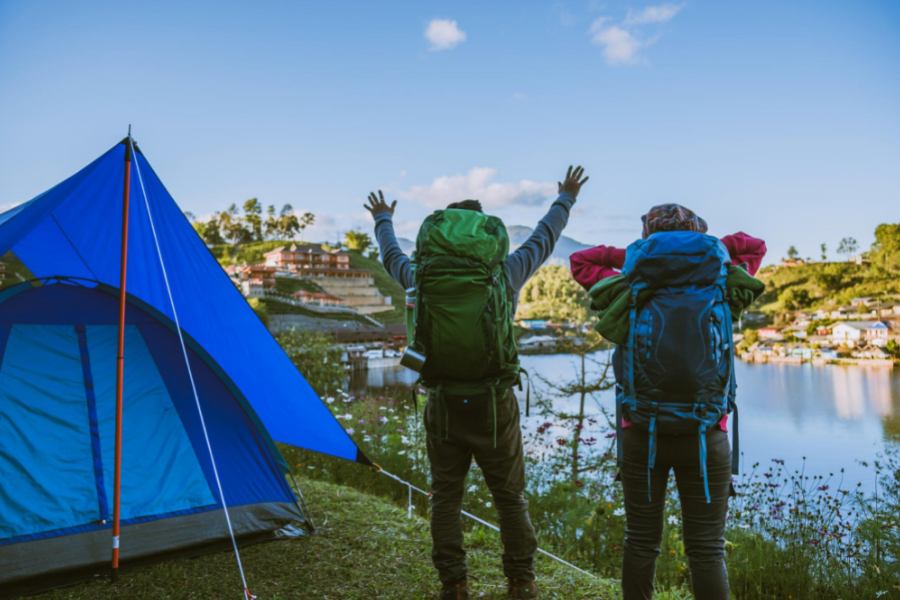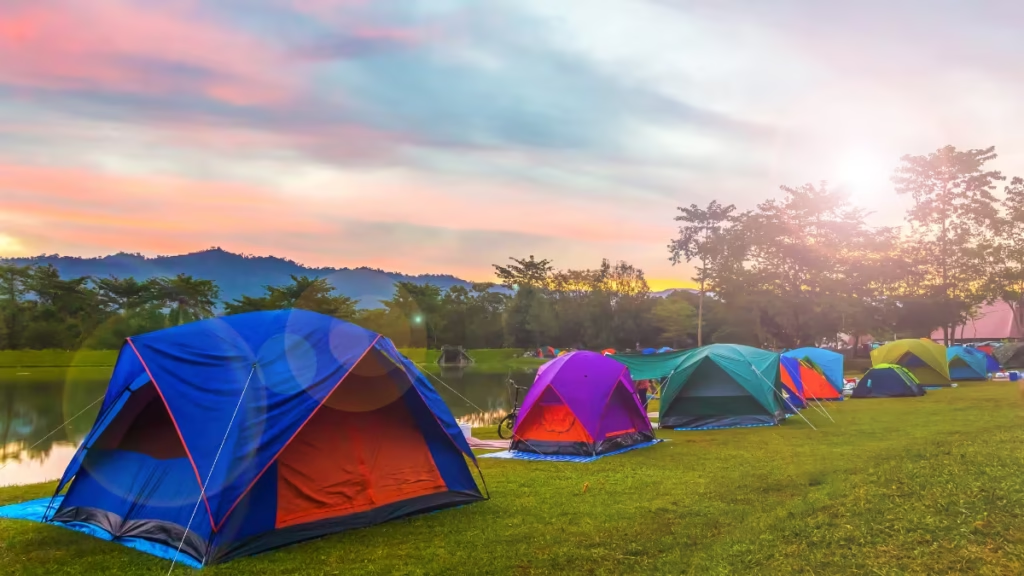
The true essence of the outdoor experience often reveals itself the moment you leave the power pedestal behind. While modern campgrounds frequently offer plug-in convenience, learning how to tent camp without electricity opens up a vast world of remote wilderness sites and pristine national forest locations that are otherwise inaccessible. Transitioning to a non-electric setup does not mean sacrificing comfort; it simply requires a shift toward more intentional gear selection and a focus on self-sufficient field skills.
Mastering Light and Visibility After Dark
When the sun dips below the horizon in a primitive site, the darkness is absolute. Managing your environment without the flick of a wall switch is one of the first hurdles of off-grid living.
Layered Lighting Systems
Instead of relying on a single powerful beam, use a layered approach. A high-quality headlamp is your most vital tool for hands-free tasks like cooking or navigating to the latrine. Complement this with a frosted LED lantern for the center of your tent to provide soft, ambient light that doesn’t strain the eyes. For the perimeter of your camp, solar-powered stake lights can be placed near tent guylines to prevent tripping hazards.
The Role of Reflective Gear
In a dark campsite, finding your gear can be a challenge. Practical campers often add small strips of reflective tape to their tent zippers, bear canisters, and even the stakes. This allows a quick sweep of a flashlight to illuminate exactly where your essential items are located, saving time and battery life.
Essential Gear for Learning How to Tent Camp Without Electricity
To stay comfortable without a power hookup, your equipment must be more efficient and rugged. The focus shifts from high-draw appliances to manual or low-energy alternatives that can withstand the elements.
Thermal Management and Sleeping Comfort
Without an electric heater or a powered fan, your ability to regulate temperature depends entirely on insulation and airflow. In colder environments, a high R-value sleeping pad is more important than the sleeping bag itself because it provides a thermal break from the frozen earth.
Practical Scenario: When camping in the high desert where temperatures plummet after midnight, many experienced outdoorsmen fill a durable plastic water bottle with hot water and tuck it into the foot of their sleeping bag. This simple heat reservoir can keep your extremities warm for six to eight hours without requiring a single watt of power.
Natural Ventilation for Summer Heat
To stay cool during humid summer nights, position your tent to catch the prevailing evening breeze. Orienting the mesh door toward the wind allows for maximum cross-ventilation. If the air is stagnant, a small battery-operated personal fan can move enough air to prevent the interior from feeling claustrophobic.
Food Preservation and Off-Grid Cooking
Maintaining a kitchen without a refrigerator or an electric stove is a core component of succeeding in the backcountry.
Ice Management and Cooling
Invest in a high-performance rotomolded cooler and pre-chill it with sacrificial ice twenty-four hours before your trip. When packing, use frozen gallon jugs of water instead of loose cubes. These jugs last significantly longer and provide cold drinking water as they melt. Keep your cooler in the deepest shade possible, often under the vehicle or draped in a wet towel to utilize evaporative cooling.
Fuel-Based Cooking Systems
Liquid fuel or isobutane stoves are the gold standard for primitive camping. They are compact, reliable, and provide a high heat output for boiling water or searing proteins. For those looking for true independence, a small wood-burning twig stove can provide an endless cooking flame as long as there is dry tinder on the forest floor.
Managing Electronics and Power Reserves
Even on a non-electric trip, most campers carry a few essential devices like a smartphone for emergency communication or a GPS for navigation.
-
Portable Power Banks: A 20,000 mAh battery pack can usually keep a modern smartphone charged for a four-day weekend.
-
Solar Maintenance: If you are staying out for a week or longer, a folding solar panel can trickle-charge your power bank during the day.
-
Battery Conservation: Turn devices to airplane mode and lower the screen brightness. In cold weather, keep your batteries inside your sleeping bag, as low temperatures can cause them to discharge rapidly.
FAQ
How do I keep my phone charged without a power hookup?
The most reliable method is a pre-charged portable power bank. For extended trips, a small solar panel can be used to replenish the bank, but always prioritize conservation by keeping the phone off when not in use.
Can I use a CPAP machine while tent camping without electricity?
Yes, but you will need a dedicated deep-cycle portable power station. Many modern units are designed specifically for medical devices and can run a CPAP for two to three nights, depending on the settings.
How do I stay clean without a campground shower?
Biodegradable body wipes and a simple gravity-fed sun shower are effective. You can also heat a small pot of water on your camp stove for a sponge bath.
Final Insights on Primitive Success
The transition to non-electric camping is a rewarding step toward true outdoor resilience. By focusing on high-quality insulation, efficient lighting, and smart ice management, you can enjoy the silence of remote areas without feeling the loss of modern utilities. Understanding how to tent camp without electricity is a foundational skill for any self-sufficient camper.
Readers who master these skills often find themselves looking toward further independence, such as building a DIY solar energy system or exploring advanced off-grid food preservation techniques.