Tiny home parking laws are one of the biggest hurdles facing anyone considering downsizing. The dream of living simply often meets a complicated reality: zoning rules, classification standards, and local ordinances that vary widely from one county to another. What is perfectly legal in a rural Texas community could be restricted or prohibited in a suburban California neighborhood.
Understanding how tiny homes are classified, where they can legally be placed, and how local regulations apply is essential before you invest in a build or commit to a lifestyle change. This guide breaks down the legal landscape in clear, practical terms so you can plan your tiny life with confidence.
Why Tiny Home Classification Matters: THOW vs Foundation
Before searching for land or parking options, you need to understand how the law classifies your structure. Classification determines everything from zoning permissions to long-term legality.
Tiny House on Wheels (THOW)
A Tiny House on Wheels is often treated similarly to a recreational vehicle. Because of this classification:
-
Many jurisdictions restrict THOWs to RV parks or campgrounds.
-
Permanent residency may be limited unless local ordinances allow movable tiny houses as Accessory Dwelling Units (ADUs).
-
Registration, inspections, and occupancy rules may follow RV regulations rather than residential building codes.
Some areas are expanding legal recognition for movable tiny houses, but acceptance remains highly dependent on local zoning decisions.
Foundation-Built Tiny Homes
Tiny homes constructed on permanent foundations are usually classified as residential dwellings. This offers advantages:
-
Easier compliance with zoning and permitting requirements.
-
Eligibility for permanent placement on private land.
-
Clearer pathways for utilities, financing, and insurance.
The trade-off is stricter adherence to building codes and inspection requirements.
The Most Tiny-Friendly States
While laws ultimately depend on county and municipal regulations, some states have developed more flexible frameworks that make tiny living easier.
California
California continues to lead in ADU adoption. Several cities allow movable tiny houses to serve as legal ADUs, especially when installed in residential backyards with proper permits. Local implementation varies widely, so always verify specific municipal codes.
Florida
Florida has seen growth in dedicated tiny home communities and zoning districts that accommodate smaller dwellings. Many areas also allow RV-style placements for extended stays, making it attractive for THOW owners.
Texas
Texas offers significant flexibility, especially in unincorporated rural areas where zoning restrictions are lighter. Some communities have removed minimum square footage requirements, provided homes meet safety standards and are securely installed.
Maine
Maine has simplified tiny home regulations by recognizing homes under 400 square feet within modified building frameworks. This has made the state more accessible for tiny home builders in the Northeast.
Tiny Home Parking Laws: State Snapshot Overview
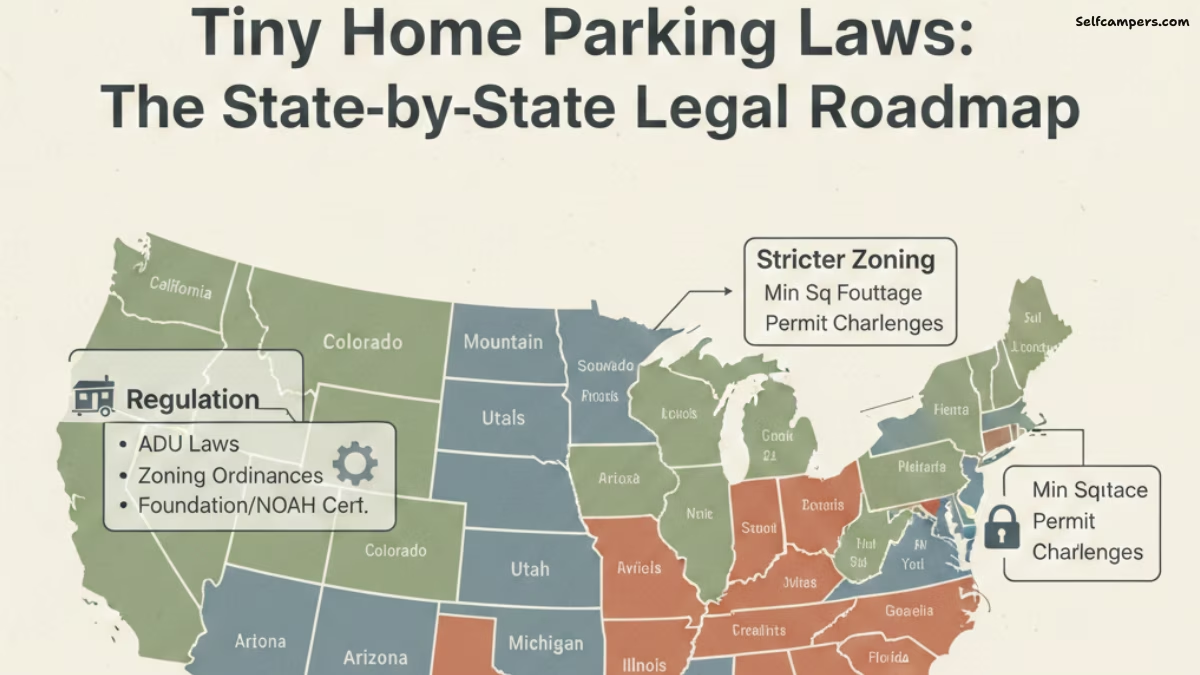
Because zoning laws vary significantly across the United States, understanding regional trends can help you identify areas that are more supportive of tiny living before narrowing your search to specific counties or cities.
West Coast
West Coast states often lead in housing innovation, with strong adoption of ADU policies and growing recognition of movable tiny houses. However, dense population centers frequently come with stricter permitting requirements and detailed zoning oversight.
Southwest
Many Southwest regions offer greater flexibility, particularly in rural or desert areas. County-level rules vary widely, so researching local ordinances is essential before purchasing land or committing to long-term placement.
Midwest
Tiny home adoption in the Midwest continues to grow gradually. Some municipalities are updating codes to include smaller dwellings, but regulatory progress tends to move more slowly compared to coastal regions.
Northeast
Northeastern states often embrace progressive building standards and sustainability initiatives. However, tighter zoning controls and older housing stock can create additional hurdles for tiny home placement.
Southeast
The Southeast has seen expansion in tiny home communities and RV-friendly regions. Warmer climates and growing housing demand have encouraged experimentation with alternative housing solutions, although local enforcement can vary significantly.
Where Can You Legally Park a Tiny Home?
If you are struggling to find legal placement options, focus on locations that are already designed to accommodate smaller dwellings.
Backyard ADUs
Accessory Dwelling Units are increasingly popular, particularly in western states and urban areas seeking flexible housing solutions. Parking behind a primary residence with approved utility connections is often one of the most viable legal paths.
Tiny Home Communities
Purpose-built villages remove much of the zoning complexity by handling compliance in advance. Residents benefit from shared infrastructure and predictable legal frameworks.
RV Parks and Campgrounds
THOW owners frequently use RV parks for both short-term and extended stays. Some parks enforce age limits or appearance standards, so always confirm policies before committing.
Unincorporated Rural Land
Areas with limited zoning may offer greater flexibility, but they still require attention to septic systems, water access, and environmental permits.
Editorial note: Rural does not automatically mean unrestricted. Minimum dwelling size requirements and local health regulations can still apply.
Understanding Appendix Q and Why It Matters
Appendix Q is a section of the International Residential Code that establishes building standards for homes under 400 square feet. States or municipalities that adopt Appendix Q often create clearer pathways for legal tiny home construction and permitting.
If your local jurisdiction recognizes Appendix Q, you may find it significantly easier to obtain approval for a foundation-built tiny home.
Key Legal Factors Most People Overlook
Tiny home parking laws go beyond zoning alone. Consider these additional factors early:
-
Utility access and connection requirements.
-
Minimum dwelling size rules in certain counties.
-
HOA restrictions or private covenants.
-
Insurance eligibility based on classification.
-
Local occupancy limits or temporary stay regulations.
Planning around these details prevents costly surprises later.
Frequently Asked Questions
Can I park a tiny home on my own land?
Not always. Many counties restrict long-term living in wheeled structures unless specific permits or zoning classifications allow it. Foundation placement or ADU recognition may be required.
Do tiny homes need building permits?
Foundation-built homes usually require permits and inspections. THOWs may follow RV registration rules, but local residency laws still apply.
Do I pay property taxes on a tiny home?
Foundation homes are generally taxed as real estate. Wheeled units may be taxed or registered similarly to recreational vehicles, depending on local laws.
What makes a state tiny-friendly?
Clear ADU policies, adoption of Appendix Q standards, flexible zoning, and communities that recognize smaller housing models all contribute to a more accessible legal environment.
Tiny home parking laws can feel overwhelming at first, but legality ultimately comes down to classification and location. By identifying whether your home is considered an RV or a permanent dwelling, researching local zoning early, and focusing on areas already supportive of small housing solutions, you can avoid common pitfalls.
Tiny living is becoming more accepted as housing needs evolve. The most successful tiny home owners treat legal research as part of the build process itself, not as an afterthought. With the right planning, your tiny home can be both mobile and fully compliant, allowing you to enjoy the lifestyle with confidence.