Why is the Tiny House Shell becoming the definitive choice for the outdoor lifestyle? As the cost of turnkey tiny homes continues to skyrocket, savvy builders are shifting their strategy to maximize their tiny house shell savings. By starting with a professionally built exterior, you bypass the most technical hurdles of construction while retaining full control over your budget. In this guide, we explore why this is the smartest way to achieve a high-end home for a fraction of the retail price, potentially saving you over $20,000 in the process.
The all-or-nothing era of tiny living is over. For years, you had two choices: spend 1,500 hours building from scratch or spend $100,000 on a turnkey model. Recently, a third contender has taken over the market because of the massive tiny house shell savings it offers.
Industry data shows that Shell’s sales have jumped 40% this year alone. From big-box retailers entering the market to boutique builders pivoting their entire business models, the shell has become the ultimate hack for the modern outdoor enthusiast.
What Exactly is a Tiny House Shell?
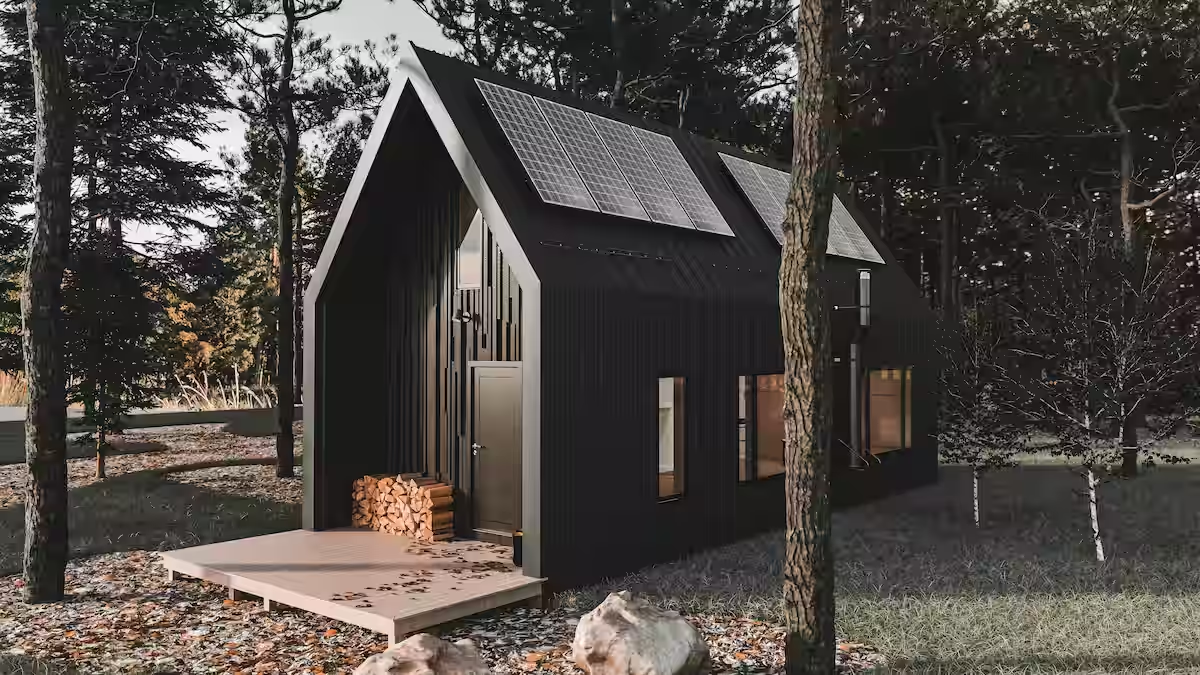
A shell is a professional, weather-tight structure that includes:
-
A heavy-duty, certified trailer or foundation.
-
Structural framing (usually steel or advanced timber).
-
Exterior siding, roofing, and windows.
-
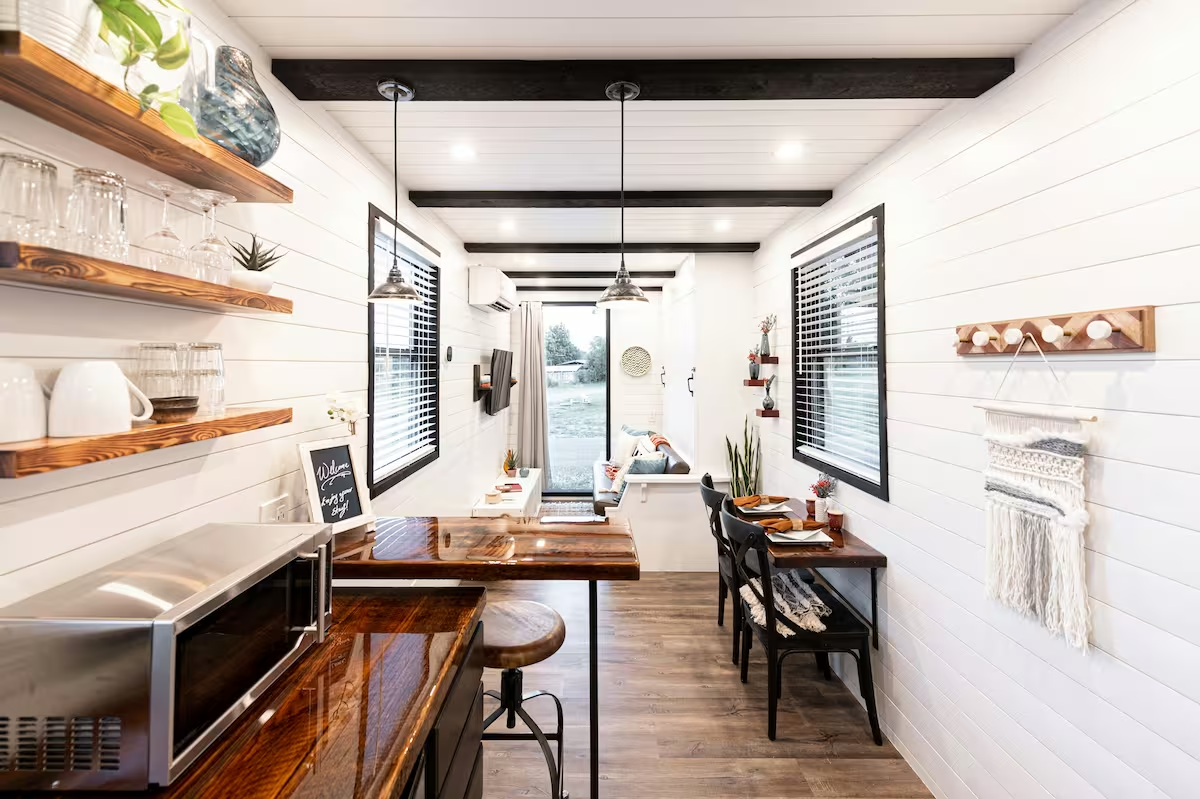
Crucially: The interior is a blank canvas, no plumbing, no electric, no cabinets. This unfinished state is exactly where your tiny house shell savings come from.
Before you start building, you need to understand the full financial picture. Our tiny home cost breakdown covers everything from solar setups to hidden council fees and The Plan to Your 12-Month Financial Roadmap
Why a Tiny House Shell Savings is the Ultimate Budget Hack
A Tiny House Shell acts as the perfect middle ground between a stressful 100% DIY build and an expensive move-in-ready model. By purchasing a lockup stage structure, you are paying for the critical, high-risk elements while securing significant tiny house shell savings by handling the easy interior finishings yourself.
The Math: How it Saves You $20,000+
The math is simple but powerful. The most expensive part of a tiny home isn’t the lumber; it’s the skilled interior finish labor.
| Expense Category | Pro Turnkey Model | The Shell+ DIY Finish |
| Initial Purchase | $95,000 | $45,000 |
| Interior Materials | Included | $15,000 (Custom) |
| Specialized Tools | Included | $2,000 |
| Total Investment | $95,000 | $62,000 |
The Shell Benefit: You save roughly $33,000 in labor markups. This tiny house shell savings allows you to own a home that is professionally framed and dried-in, meaning you don’t have to worry about the roof leaking or the trailer failing at 60mph.
Why the Tiny House Shell Is the Smartest Way to Build
1. The Insurance Crisis
As we discussed in our Pro vs. DIY Guide, insuring a 100% DIY home is getting harder. However, most recent shells come with a Manufacturer Certificate of Origin (MCO). This protects your tiny house shell savings by making the home real in the eyes of insurance companies and banks.
When inspecting your shell, ensure the manufacturer follows the latest safety protocols. For instance, the NHBC 2026 Standards now require more robust detailing for wall and roof abutments to prevent moisture ingress, a critical check for any tiny home traveler.
2. The Semi-DIY Movement
Most outdoor enthusiasts have the skills to lay a floor or paint a wall, but they don’t have the 400 hours required to learn structural framing. The shell removes the scary parts of the build while keeping the tiny house shell savings in your pocket.
3. Personalization & Joy-First Design
Buying a shell allows you to use reclaimed materials and custom layouts that a factory simply won’t do.
Is a Shell Right for You?
Before you jump on this trend, ask yourself:
-
Do I have a place to work? You’ll need a driveway or a warehouse.
-
Am I okay with Rough-In? You still have to do (or hire for) electrical and plumbing.
-
What is my timeline? A shell can be finished in 3–6 months of weekend work.
If you’re building or buying in the Pacific Northwest, your shell must meet specific state standards to be legal. Check the official Washington State L&I Tiny House Requirements to ensure your build qualifies for an L&I insignia before you move in.
Frequently Asked Questions
Can you finance a tiny house shell?
Many manufacturers offer Shell Financing specifically for In-Progress Dwellings. This makes accessing tiny house shell savings easier than ever before.
Does a shell come with a warranty?
Most professional shells come with a structural warranty (usually 1–5 years) covering the trailer, framing, and roof.
Next step, ready to see the full numbers? View our Tiny Home Cost Breakdown.
Conclusion: The Future is Semi-DIY
The rise of the tiny house shell savings trend isn’t just about the money; it’s about a smarter way to build. By outsourcing the high-stakes structural work to professionals and taking command of the interior ourselves, we are bridging the gap between unaffordable turnkey and unrealistic DIY. Whether you are building for off-grid freedom or a backyard rental, starting with a shell ensures your home is structurally sound, legally recognized, and most importantly, thousands of dollars under budget. The era of the $100k tiny home is ending, and the era of the $60k custom shell is just beginning.