
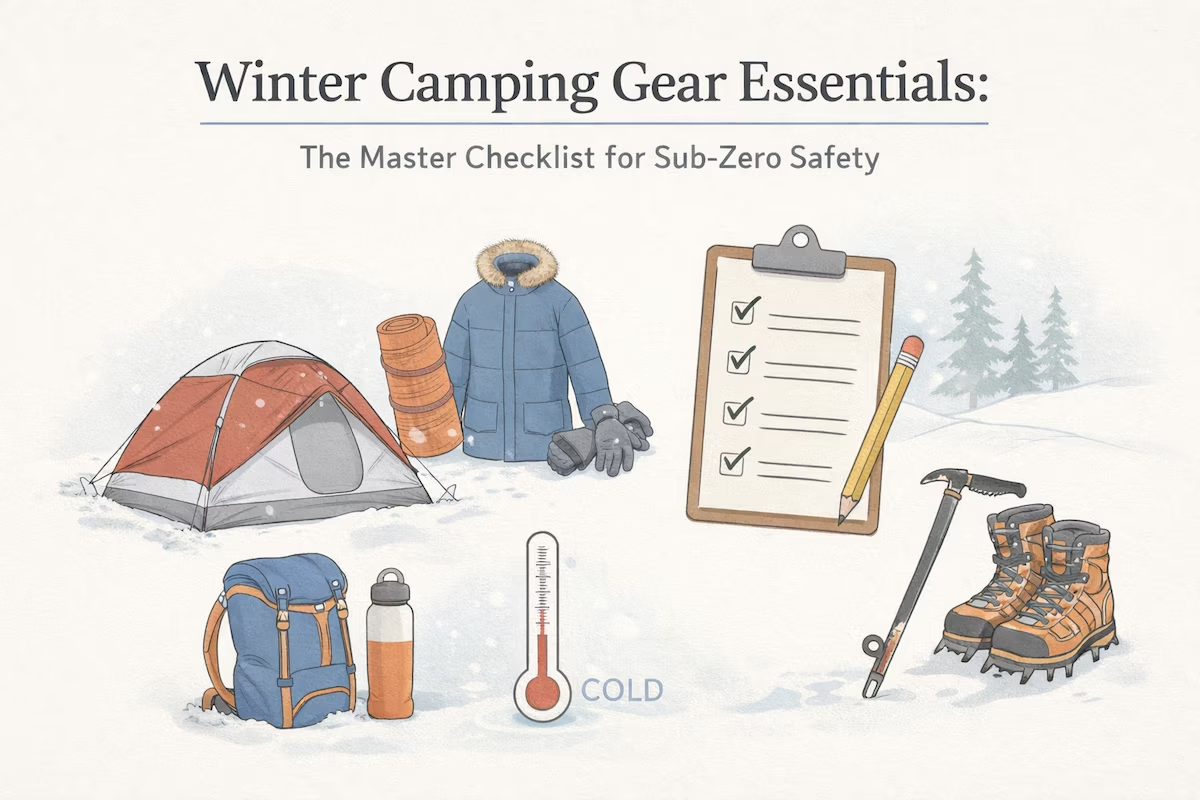
Winter camping gear essentials are the thin line between a peaceful snow-covered adventure and a dangerous survival situation. When temperatures drop below freezing, standard three-season equipment, the kind most campers rely on during summer and fall, can fail quickly. Tents may collapse under snow load, sleeping pads can pull warmth from your body, and fuel systems behave differently in extreme cold.
This guide covers the non-negotiable gear, layering strategies, and practical survival techniques you need to stay warm, dry, and safe when temperatures reach sub-zero levels.
The Four Pillar Winter Sleep System
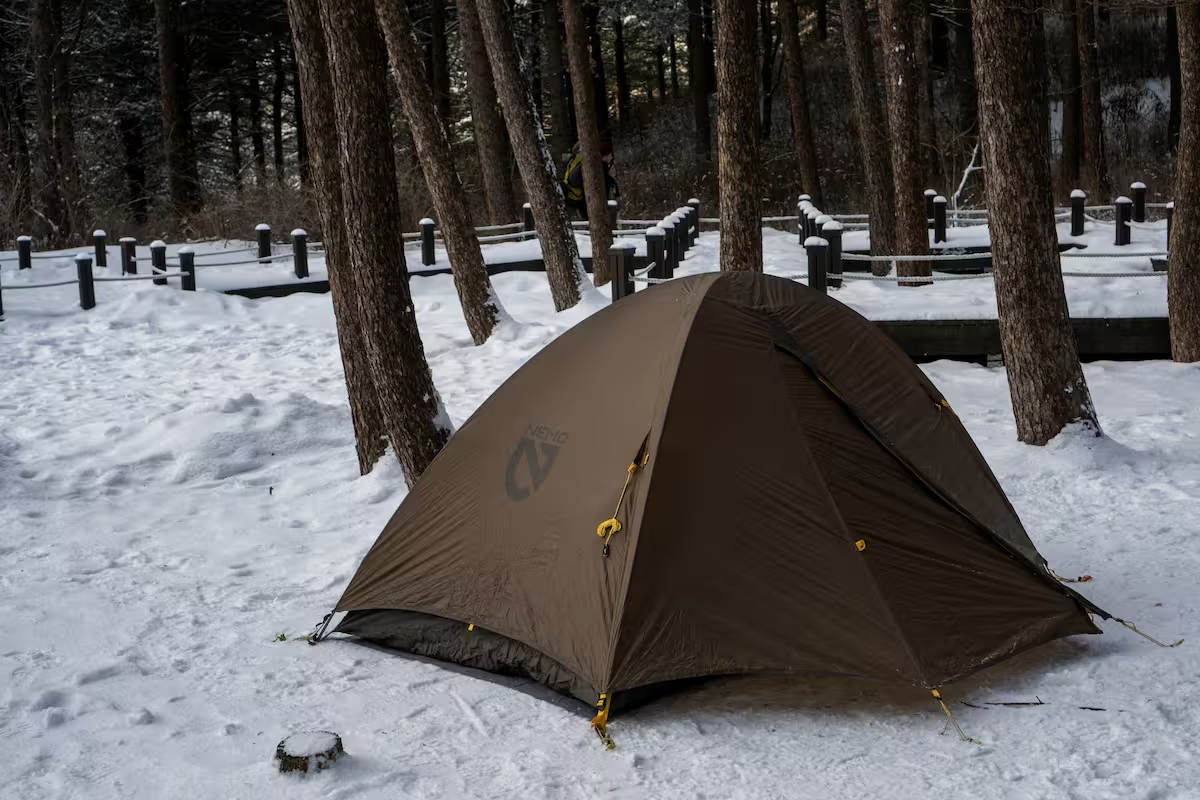
In winter camping, your sleep system is more than just a sleeping bag. It is a layered defense against cold ground, freezing air, and moisture buildup. Heat loss through conduction, which happens when your body contacts cold surfaces, is one of the fastest ways to develop hypothermia.
1. High R-Value Sleeping Pad
Do not rely on a standard air mattress. Winter conditions require a sleeping pad with an R-value of 5.0 or higher to provide sufficient insulation from frozen ground.
Pro tip: For extreme cold, stack two pads. Place a closed-cell foam pad directly on the ground and an insulated inflatable pad on top. This creates a thermal barrier that air alone cannot provide.
Note: Heat loss through conduction is your biggest enemy. To ensure your gear is up to the task, check that your pad meets the standardized ASTM R-value ratings, which provide an ‘apples-to-apples’ comparison of insulation levels.
2. Four-Season Tent
Unlike lightweight summer tents, a four-season tent uses stronger pole structures designed to withstand heavy snow loads and strong winds. Reduced mesh panels help trap warmth and improve internal temperature stability.
3. Temperature-Rated Sleeping Bags
Choose a sleeping bag rated at least ten degrees colder than the lowest temperature you expect. Modern designs often include hydrophobic down insulation that retains loft even when exposed to moisture from condensation.
4. Sleeping Bag Liners
A thermal liner can add five to ten degrees of warmth while protecting the interior of your sleeping bag. Think of it as an adjustable warmth booster for changing conditions.
Essential Winter Gear Comparison
Use this checklist-style comparison to evaluate your current setup before heading into cold-weather conditions.
| Gear Item | Summer Standard | Winter Essential | Why It Matters |
|---|---|---|---|
| Stove | Canister (Isobutane) | Liquid Fuel / White Gas | Standard gas loses pressure in cold temperatures; liquid fuel performs consistently. |
| Boots | Hiking Boots | Insulated Waterproof Boots | Protects circulation and reduces frostbite risk. |
| Socks | Cotton or Thin Synthetic | Heavyweight Merino Wool | Wool insulates even when damp; cotton loses heat quickly. |
| Water Bottle | Plastic or Bladder | Insulated Stainless Wide-Mouth | Prevents freezing and allows easier ice removal. |
The Layering Strategy: Base, Mid, and Outer
Managing moisture is just as important as managing warmth. Sweat trapped against your skin will cool rapidly once you stop moving, increasing the risk of hypothermia.
Base Layer: Moisture Management
Use merino wool or high-quality synthetic fabrics designed to wick moisture away from your skin. Avoid cotton entirely, as it retains moisture and accelerates heat loss.
Mid Layer: Insulation
A down jacket, a synthetic insulated layer, or a thick fleece traps body heat. Choose materials that balance warmth with breathability.
Outer Layer: Weather Protection
A waterproof and windproof shell blocks snow, wind, and moisture while allowing sweat vapor to escape. Breathable membranes such as Gore-Tex or similar materials help maintain internal comfort.
Survival Tactics: The Small Details That Matter
Winter safety often depends on small habits that prevent cold-related problems before they start.
-
Keep electronics warm: Cold drains lithium-ion batteries quickly. Store your phone and spare batteries inside your sleeping bag overnight.
-
Dry your boots: Remove liners and place them inside your sleeping bag so they remain warm and dry for morning use.
-
Managing moisture is just as important as managing warmth. Sweat trapped against your skin will cool rapidly once you stop moving, increasing the risk of hypothermia.
art=4345 data-end=4382>Eat high-fat snacks before sleep: Your body burns significant energy generating heat. Foods like peanut butter, nuts, or cheese help maintain body temperature through the night.
Winter environments are unforgiving and require a ‘safety-first’ mindset. We highly recommend reviewing the National Park Service winter weather safety protocols before heading into the backcountry, particularly regarding hypothermia prevention.
Common Mistakes New Winter Campers Make
Even experienced three-season campers can struggle when transitioning to winter conditions. Avoid these common pitfalls:
-
Underestimating ground insulation and focusing only on sleeping bag warmth.
-
Using fuel systems not designed for cold temperatures.
-
Wearing too many layers while active, which causes excessive sweating.
-
Neglecting ventilation inside the tent, leading to condensation buildup.
Winter Camping Gear Essentials (FAQs)
Is a three-season tent safe for winter camping?
Only in mild winter conditions without snow or strong winds. Three-season tents often lack structural strength and insulation needed for severe weather.
How do I stop my water from freezing?
Store bottles upside down since ice forms at the top first. Keep one bottle inside your sleeping bag overnight for reliable access to liquid water.
What is the best fuel for winter camping?
White gas or liquid fuel stoves perform best in sub-zero conditions. If using canisters, choose winter-blend fuel and keep the canister warm before use.
Final Thoughts: Building a Reliable Winter Camping System
Winter camping is not simply colder camping; it is a different discipline that requires specialized gear and deliberate preparation. The right winter camping gear essentials create a system that protects you from cold, moisture, and fatigue. By prioritizing insulation from the ground, reliable shelter, proper layering, and cold-weather fuel strategies, you can turn harsh conditions into a safe and rewarding outdoor experience.
Approach winter camping with respect for the environment and a commitment to preparation, and the frozen landscape becomes one of the most peaceful and memorable places you will ever explore.
While our checklist covers the essentials, specific gear picks can change with new technology. For a deep dive into the top-tested jackets and tents this season, see the latest field-tested reviews from Backpacker Magazine.


