Camping has evolved significantly from the days of simple canvas shelters and kerosene lanterns. While many people still head into the woods to unplug, others require power for medical devices, keeping phones charged for navigation, or running small fans on humid nights. One of the most common questions for those transitioning from backyard setups to established campgrounds is: Do tent campsites have electricity?
The answer is that it depends entirely on the specific loop or site you book. While many modern campgrounds offer electric hookups even for tent users, they are not a universal standard. Understanding how these sites are categorized and what gear you need to bring will help you avoid arriving at a dark, powerless pitch.
How to Choose the Best Tent Campsite with Power
When you are looking for a campsite that provides electricity, you need to look beyond the basic site description. Most reservation systems distinguish between primitive, standard, and electric-only sites. If your goal is a reliable power source, specifically look for sites labeled electric or premium.
In most state and national parks, electric sites are often located in loops that also accommodate RVs. This means you might be camping next to a large trailer, but you will have a dedicated pedestal with standard household outlets. It is also important to check the amperage. While RVs need 30 or 50 amps, a standard tent camper only needs a basic 15 or 20-amp household plug to run most gear.
Understanding the Electric Site Setup
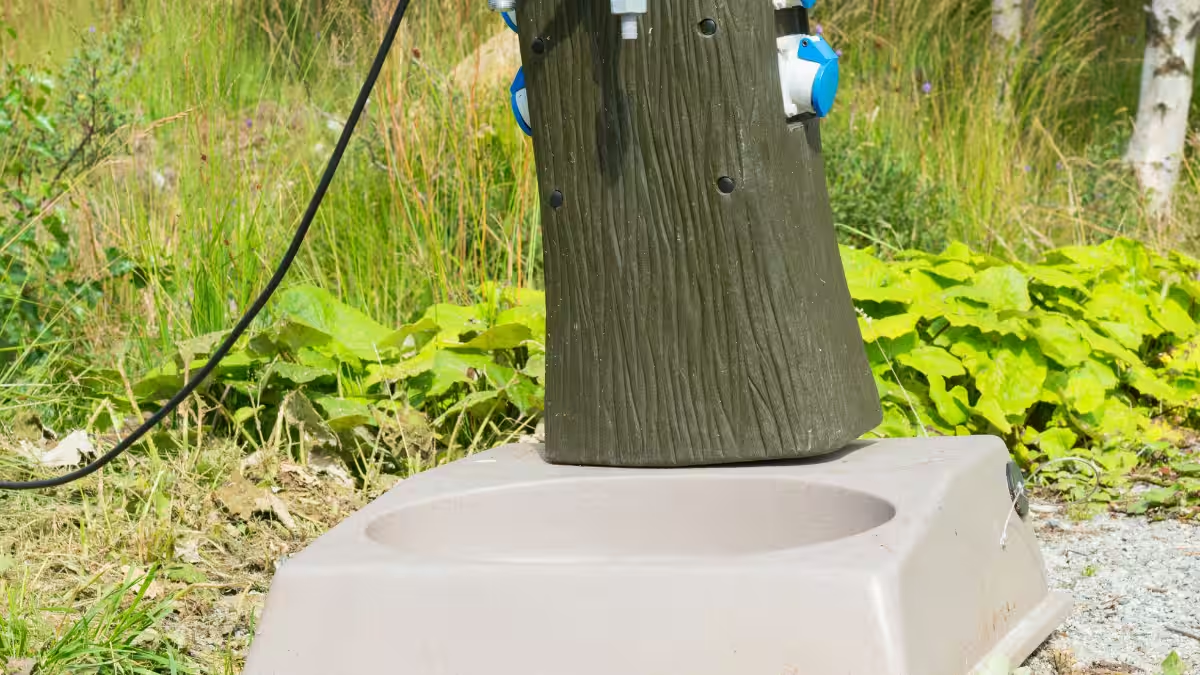
An electric campsite typically features a metal pedestal or post located near the edge of the parking pad. This post contains the circuit breakers and the outlets.
Standard Electric Hookups
In a standard setup, the pedestal usually offers several types of outlets. There is often a large round 30-amp or 50-amp outlet for RVs, but nearly all of them also include at least one or two standard three-prong household outlets. This is where you will plug in your extension cords. Unlike your home, these outlets are outdoors and exposed to the elements, so they are protected by weather-resistant covers and GFCI (Ground Fault Circuit Interrupter) safety features.
In some older or more rustic campgrounds, you might find a shared power post. This is a single pedestal located between two or three campsites. In these scenarios, the distance from your tent to the outlet might be 20 or 30 feet. This is why seasoned campers always carry a heavy-duty, outdoor-rated extension cord of at least 50 feet.
Practical Scenario: Imagine setting up camp at a lakeside park during a July heatwave. By booking an electric site, you can run a small bedside fan inside your tent all night. Without that power hookup, the stagnant air inside the tent would make sleep nearly impossible.
Essential Gear for Powering Your Tent
Knowing that tent campsites have electricity is only half the battle; you also need the right equipment to bring that power from the pedestal into your sleeping quarters.
-
Outdoor Extension Cords: Never use thin, indoor-rated orange or white cords. You need a thick, 12 or 14-gauge outdoor cord that can handle moisture and foot traffic.
-
Power Strips with Surge Protection: Once the cord is inside your tent, a power strip allows you to plug in multiple devices, such as a lamp, a phone charger, and a tablet, simultaneously.
-
Cord Seal Covers: If it rains, the connection point where your device plugs into the extension cord needs to stay dry. A simple plastic clamshell seal cover is a cheap way to prevent a short circuit.
Benefits of Choosing an Electric Campsite
While some purists argue that electricity takes away from the ruggedness of camping, there are undeniable practical advantages to having a powered site.
Improved Temperature Control
If you are camping in the shoulder seasons when temperatures drop near freezing, an electric site allows you to run a small ceramic heater. This can make the difference between a miserable trip and a cozy weekend. Similarly, in the peak of summer, a fan or even a small portable air conditioner can keep the interior of a tent habitable during the day.
Lighting and Safety
Battery-powered lanterns are great, but they eventually dim. Having a constant power source allows you to use brighter LED string lights or a dedicated camp lamp. This makes organizing your gear or cooking dinner after sundown much safer and more efficient. It also ensures your primary communication and navigation devices, like smartphones and GPS units, never run out of juice.
Alternatives to Electric Campsites
If you find yourself at a primitive site where no pedestals are available, you aren’t necessarily stuck in the dark. Modern portable power solutions have made it easier to stay charged off-grid.
-
Portable Power Stations: Often called solar generators, these large battery banks can power a CPAP machine for several nights or charge a dozen phones.
-
Solar Chargers: These are excellent for long-term stays in sunny environments. You can hang a folding solar panel over your tent or vehicle to trickle-charge your devices during the day.
-
12-Volt Car Adapters: Your vehicle is essentially a giant battery. Using the 12-volt cigarette lighter port with a small inverter can provide enough power for emergency charging, provided you run the engine occasionally to prevent the car battery from dying.
FAQ
Can I plug my tent directly into a 30-amp RV outlet?
No, you cannot plug a standard household cord into a 30-amp or 50-amp RV socket. However, you can buy a simple adapter (often called a dogbone) that converts the large RV plug into a standard household outlet.
Is it safe to use electricity in a tent when it rains?
It is safe as long as your connections are off the ground and protected from moisture. Use a cord seal cover for any outdoor connections and keep your power strip inside the tent, away from the door where rain might splash in.
Do electric campsites cost more?
Generally, yes. Most campgrounds charge an additional fee for electric sites, usually ranging from five to fifteen dollars more per night than a primitive site.
Final Insights on Modern Campsite Power
Whether you choose to plug in or stay primitive depends on your comfort level and the gear you need to support. My final insight on: Do tent campsites have electricity? Choose a site that provides a safety net that allows for longer stays and better climate control. As you spend more time outdoors, you may find that a mix of both electric sites and portable solar power gives you the most flexibility for your adventures.
Readers exploring powered campsites often also research our guide on portable solar panels for off-grid living to maintain independence even at primitive sites.